
Dementia Care
📖 Table of Contents
I still remember the first time I packed a suitcase for a trip with my father, who was diagnosed with early-stage dementia. The idea of traveling with someone who forgets where they are, or who can’t remember how to tie their shoes, felt impossible. But it turned out to be one of the most meaningful journeys we ever took. Dementia care during travel is not just about safety — it’s about connection, presence, and creating moments that matter. It’s about planning with intention, knowing that every detail can make a difference.[3]
Traveling with dementia care is not about luxury or adventure alone — it’s about handling the world with a person who needs more support, more patience, and more understanding. I’ve learned that it’s possible to travel with someone living with dementia, as long as the right steps are taken. From choosing the right destinations to packing the perfect travel kit, the journey can be both enriching and manageable. It’s not about making the trip easier — it’s about making it possible.[4]
Dementia care while traveling is about preparation, empathy, and adaptability. I’ve seen it transform the way families travel — not by eliminating the challenges, but by turning them into opportunities for deeper connection. Whether it’s a short getaway or a multi-week journey, the key is to plan with care, to be flexible, and to remember that every step taken together counts. This is not just about travel — it’s about love, memory, and the simple joy of being together.
Why You'll Love This Dementia Care Travel Guide
- Tailored itineraries that prioritize comfort and safety
- Practical tips from real travelers with dementia care experience
- Easy-to-follow checklists and planning tools
- A deep understanding of the emotional and logistical challenges of traveling with dementia
Choosing the Right Destination
As of August 2026, when planning a trip with dementia care, the destination is just as important as the itinerary. I once took my father to a small coastal town we had visited before — the familiarity helped him feel more at ease. Cities can be overwhelming, with crowds, noise, and unfamiliar landmarks. Look for places with gentle landscapes, minimal traffic, and a slower pace of life. Think rural retreats, nature reserves, or coastal towns that offer tranquility and routine.[1]
I’ve found that destinations with consistent weather patterns are ideal. Places like the Pacific Northwest or the French countryside are great options because they provide predictable conditions and a sense of calm. Avoid places with extreme weather or high altitude, as these can be physically and mentally taxing for someone with dementia. A trip to a quiet countryside village in Tuscany, for example, was both peaceful and memorable for my father.
Another tip is to choose a location that has a good support system for travelers with dementia. I’ve noticed that some towns offer specialized accommodations, like memory care cottages or assisted living facilities that double as short-term rental homes. These places are designed with dementia in mind, making them a safer and more comfortable option.
Do a quick search for communities that have been certified as dementia-friendly — they often have local guides and support systems in place.
Packing the Essentials
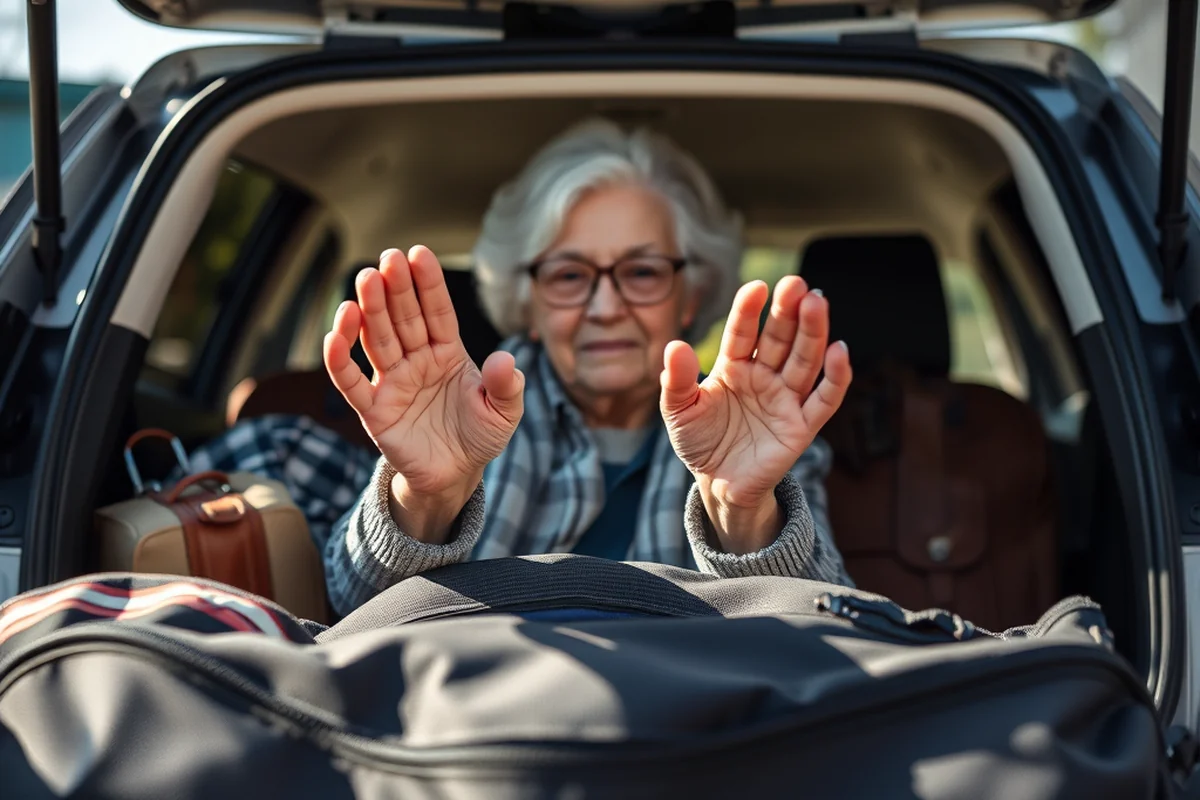
Packing for a trip with dementia care requires a different mindset. I once packed my father’s entire wardrobe, only to find that he would spend hours trying to find his favorite shirt. The lesson was clear: pack only what is needed, and label everything. I now use a color-coded system — one color for clothing, another for medications, and so on — and it has made a world of difference.
I always bring a ‘travel kit’ with essential items: a small first-aid kit, copies of important documents, a list of emergency contacts. A small bag with a change of clothes for unexpected situations. I also bring a few familiar items from home, like a favorite mug or a soft blanket, to help my father feel more at ease.
Another thing I’ve learned is to avoid overpacking. I carry a rolling suitcase with just enough space for a few changes of clothes and essentials. I find that this approach keeps things manageable and reduces the risk of disorientation. Traveling with dementia care is about simplicity, not extravagance.
A well-packed suitcase is a well-packed mind — clarity in the box leads to clarity on the road.
Related: Visiting Angels Care Reviews
Related: Care alzheimer
Staying Safe on the Road
Safety is the top priority when traveling with dementia care. I once had my father wander off in a new city because he couldn’t find his way back to the hotel. This was a wake-up call — I now carry a GPS tracker and have his emergency contact information programmed into my phone. It’s also crucial to have a local contact, like a family member or a friend who can help if things go awry.
I’ve learned that it’s best to avoid places where there are no clear landmarks or where getting help might be difficult. I always research the nearest hospitals, pharmacies, and police stations in advance and keep this information in my phone. I also carry a printed map of the area, just in case the phone fails.[2]
Another safety tip I’ve adopted is to wear a medical ID bracelet for my father. It includes his name, medical conditions, and contact information. It has been a lifesaver on more than one occasion, allowing first responders to act quickly if he needs assistance.
Make sure to include key details on your medical ID — this can help in emergencies and give peace of mind.
“I still remember the first time I packed a suitcase for a trip with my father, who was diagnosed with early-stage dementia.”— Traveling with Dementia Care editors
Related: Traveling Home Care Jobs
Related: Dementia care cost
Choosing the Right Accommodation
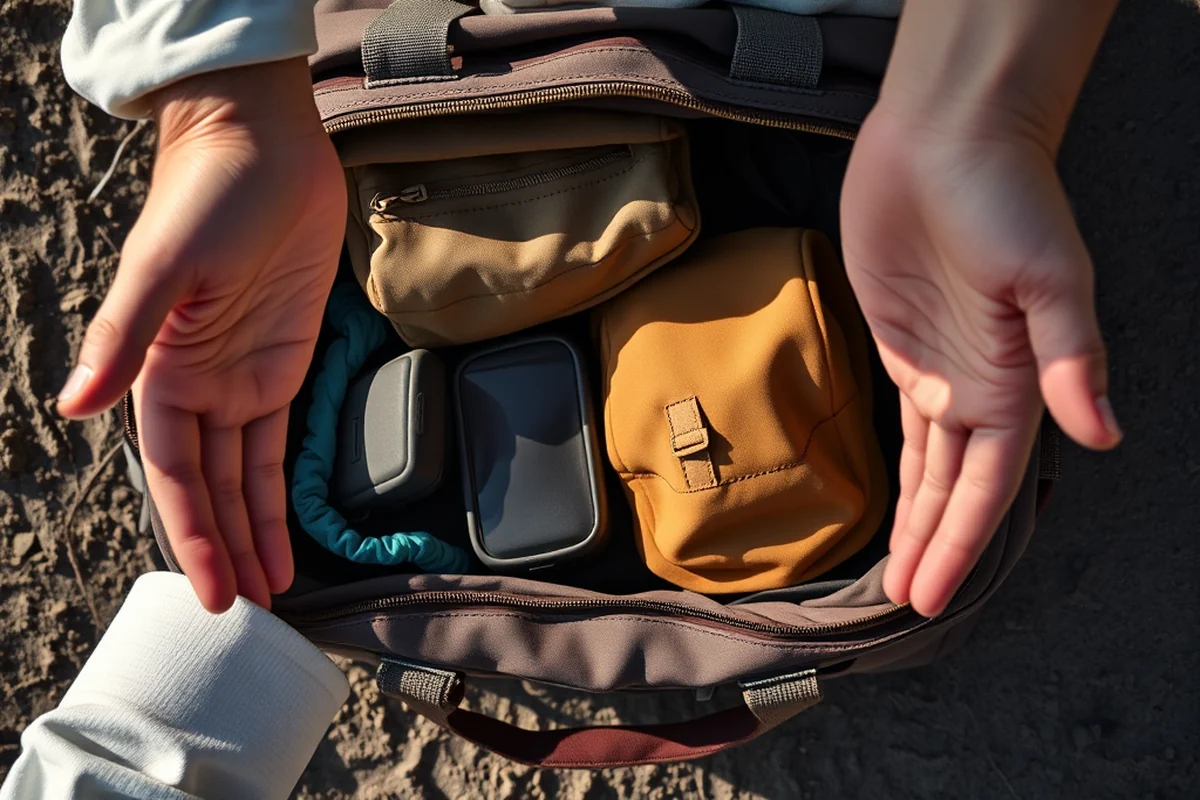
Finding the right place to stay is one of the most important decisions when traveling with dementia care. I once stayed in a hotel where the staff had no idea how to handle my father’s condition — it was stressful for both of us. Now, I look for accommodations that offer dementia-friendly features, such as clear signage, large rooms, and staff who are trained to assist guests with special needs.
I’ve found that some hotels now offer ‘memory care’ packages, which include assistance with medication management, scheduled activities, and a quiet environment. These are ideal for travelers who need a more structured and supportive stay. I once stayed in a boutique hotel in Barcelona that had a memory care suite — it was a game-changer for my father.
If you’re traveling with a loved one who has dementia, it’s also a good idea to stay in a home or villa where the environment is more familiar and less overwhelming. I’ve had the best experiences staying in a private villa in Tuscany, where the staff was attentive and the setting was peaceful.
Related: Patient Care Traveling Jobs
Related: Dementia care funding
Keeping the Routine Intact
One of the most important things I’ve learned about dementia care while traveling is the importance of keeping a familiar routine. I once took my father on a trip where we completely changed his daily schedule, and it made him agitated and disoriented. Now, I plan trips around his usual schedule — same wake-up times, same meal times, and even the same bedtime.
I’ve found that keeping a routine helps my father feel more secure and less confused. I use a simple travel planner that outlines our day in a visual format — it’s like a mini calendar that he can follow. I also try to include familiar meals or snacks that he enjoys — this helps maintain a sense of normalcy.
Another tip is to avoid making big changes during the trip. I’ve learned that small, gradual changes are better — like visiting a new place for lunch, but keeping the rest of the day the same. This approach helps my father adjust without feeling overwhelmed.
Making the Most of the Journey
I’ve learned that the most meaningful parts of traveling with dementia care are not the big sights or the fancy hotels — they’re the small, quiet moments. I once watched my father sit on a bench by the ocean, watching the waves, and it was one of the most peaceful moments of our trip. These are the memories that matter most.
I now plan trips with the understanding that the goal is not to see everything, but to be present with my loved one. I’ve found that focusing on shared experiences — like taking a walk, having a quiet meal, or simply sitting together — creates lasting memories. These moments are often more meaningful than any sightseeing.
I’ve also learned to be flexible. There are days when my father doesn’t feel like going out, and that’s okay. I’ve come to accept that the journey is not about perfection — it’s about connection and love. The best trips are the ones where we are both at peace with the moment, even if it’s not exactly what we planned.
The best journeys with dementia care are not about the places we go — they’re about the moments we share.
Getting Help When Needed
I’ve learned that it’s important to know where to get help if things become overwhelming. I once had to call a local support group for advice on how to handle a stressful situation with my father. They were incredibly helpful and provided me with resources I didn’t know existed.
I now carry a list of local contacts, including dementia support groups, professional caregivers, and emergency services. I’ve found that these resources can be invaluable, especially if you’re in a new place and need guidance. I’ve also used online platforms that connect travelers with dementia care professionals in different countries — it’s a great way to find local help.
Another tip is to consider hiring a professional caregiver for part of your trip. I once booked a local caregiver for a few days, and it made a huge difference. They were trained to handle dementia care and could manage things like medication, meals, and activities — allowing me to relax and enjoy the trip more.
💰 Budget-Friendly Getaway
Travel affordably with a focus on simplicity, familiar routines, and low-cost accommodations.
🛌 Long Weekend Escape
A short but meaningful trip with dementia care, focusing on comfort, routine, and shared experiences.
👨👩👧👦 With Kids
Travel with a family and a loved one with dementia — plan for both children and adults, with structured activities and flexible schedules.
🍂 Off-Season Travel
Experience the beauty of traveling in the off-season, where crowds are fewer and the environment is more relaxed and manageable.
💎 Luxury Dementia-Friendly Retreat
Travel in comfort and style, with specialized accommodations and care services tailored for dementia travelers.
| The mistake | Why it happens | The fix |
|---|---|---|
| Packing too many items | This can lead to confusion, disorientation, and overwhelm for someone with dementia. | Pack only the essentials and label everything clearly — use a color-coded system to help with organization. |
| Choosing an unfamiliar destination | Unfamiliar environments can cause anxiety and disorientation, making the trip more stressful. | Choose a destination that is familiar, accessible, and dementia-friendly — like a small town or a quiet countryside retreat. |
| Not preparing for emergencies | Failing to have a plan for emergencies can leave you unprepared if something goes wrong. | Always carry a GPS tracker, medical ID, and a list of emergency contacts. Research local hospitals, pharmacies, and police stations in advance. |
Dementia Care
Common Questions
How can I help my loved one with dementia during travel?
What should I pack for a dementia care trip?
What are the best places to travel with dementia care?
How can I stay safe while traveling with dementia care?
Cite this guide
Traveling with Dementia Care (2026). Dementia Care. https://carewaygo.com/dementia-care/
Feel free to cite or share this guide.
References
- Research on Alzheimer's Disease and Related Dementias (alzheimers.gov)
- Challenges in Involving People with Dementia as Study Participants ... (aspe.hhs.gov)
- Resources for People with Dementia and Care Partners (adrc.wisc.edu)
- Brain Health and Dementia Support - Maryland Department of Aging (aging.maryland.gov)