
Dementia Care Definition
📖 Table of Contents
- Understanding Dementia Care Definition in Travel
- The Importance of Routine and Familiarity
- Sensory Considerations for a Dementia-Friendly Trip
- Creating a Safe and Supportive Environment
- Engaging the Person with Dementia in the Journey
- The Emotional Benefits of Dementia-Friendly Travel
- The Role of Caregivers and Family in Dementia-Friendly Travel
- Make It Your Way
- Frequently Asked Questions
I remember the first time I traveled with my mother, who has dementia. I had no idea what to expect. I quickly learned that dementia care definition is not just about medical support—it’s about creating a safe, comforting, and engaging environment that allows someone with dementia to enjoy the world around them. Whether it’s a day trip or a two-week journey, understanding dementia care definition becomes crucial when planning travel that respects both the traveler and the care recipient. It’s not just about managing symptoms; it’s about ensuring that every moment is filled with dignity, safety, and joy.[1]
Dementia care definition, in the context of travel, involves a combination of practical strategies, emotional support, and environmental considerations. I’ve learned that it’s not enough to book a hotel with wheelchair access or a tour that’s wheelchair-friendly—you need to be prepared for the unpredictable. Dementia care definition in travel also includes things like ensuring a familiar routine, minimizing sensory overload, and having a plan for emergencies. These are not just tips; they are essential to making a trip both enjoyable and safe for both the traveler and the person with dementia.[2]
I once took my mother on a trip to a coastal town where the rhythm of the waves and the smell of the sea brought her a sense of calm. That experience taught me that dementia care definition is not a one-size-fits-all approach. It’s about understanding the individual’s preferences, fears, and strengths. When I returned from that trip, I realized that dementia care definition in travel isn’t just about logistics—it’s about creating moments of connection, comfort. Joy that can last long after the journey ends.[3]
Why You'll Love This Approach to Dementia Care Definition
- Personalized travel experiences that cater to the individual's needs and preferences
- Increased comfort and safety for both the traveler and the person with dementia
- Opportunities for meaningful connections and joyful memories during the journey
- Practical tools and strategies to ensure a smooth and stress-free trip
Understanding Dementia Care Definition in Travel
As of November 2026, Dementia care definition in the context of travel requires more than just logistical planning. It’s about understanding the needs of the person with dementia and tailoring the trip to meet those needs. I’ve found that when I focus on comfort, routine, and familiar elements, the trip is far more successful. For example, I always bring along familiar items like a favorite blanket or a cherished photo album to help my mother feel more at ease.[4]
Creating a dementia-friendly travel experience also involves managing sensory input. Loud noises, bright lights, and crowded spaces can be overwhelming for someone with dementia. I’ve learned to choose destinations that are quieter and more open, and to plan trips that allow for long, unhurried days with minimal transitions. These small changes can make a world of difference in how the person with dementia experiences the journey.
It’s also important to involve the person with dementia in the planning process, as much as possible. Even if they can’t remember the details, their preferences and comfort level should guide the trip. I’ve noticed that when they feel involved and in control, they are more relaxed and engaged throughout the journey.
When planning a dementia-friendly trip, focus on the individual’s preferences, comfort, and familiarity. Involve them in the process, even if it’s just choosing a destination or a photo to bring along.
Part of our Care training guide.
The Importance of Routine and Familiarity
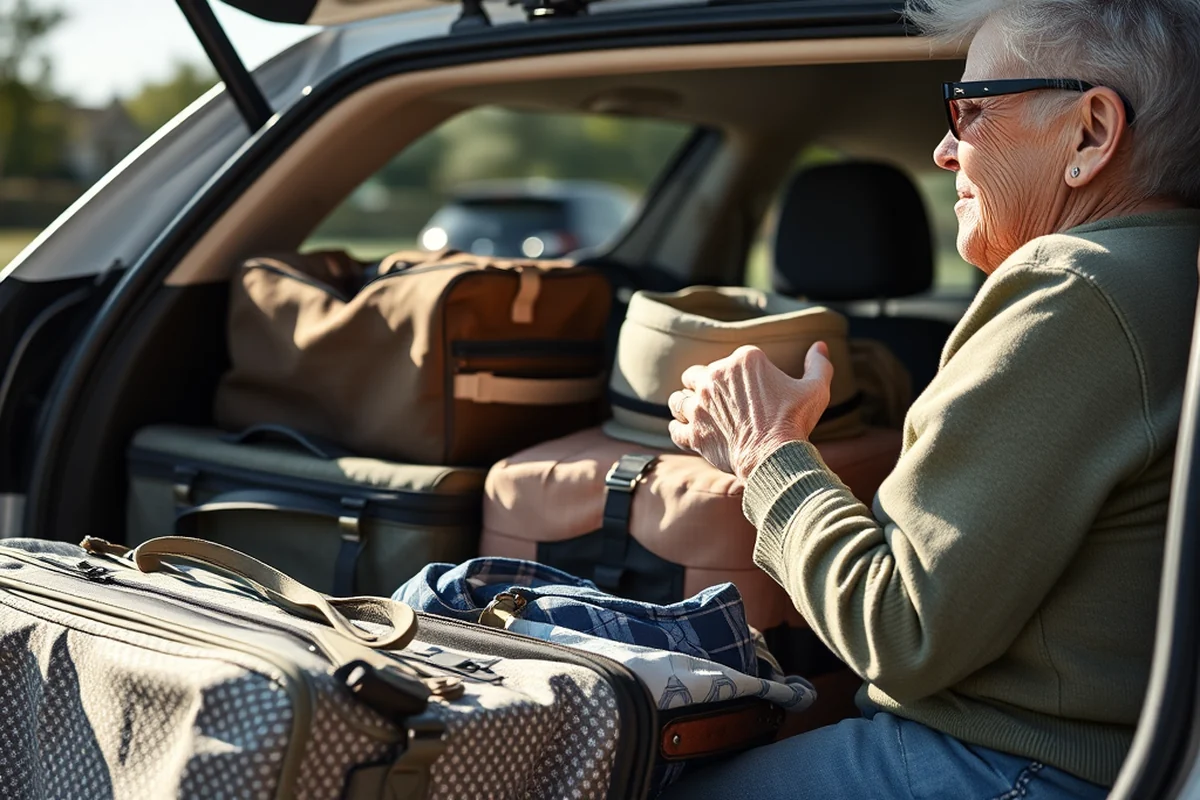
During our trip to the coastal town, we made sure to keep a consistent routine, which helped my mother feel more secure. She knew when it was time to eat, when we would rest, and when we would go out. This predictability helped her handle the trip with fewer moments of confusion or distress.
I’ve also found that incorporating familiar elements into the travel experience, such as a favorite snack or a familiar song, can provide comfort and reassurance. These small touches can make a big difference in helping someone with dementia feel more at home, even in a new environment.
By keeping routines and familiar elements consistent, I’ve been able to reduce my mother’s anxiety and make our trips more enjoyable for both of us. It’s a simple but powerful strategy that I now use for every journey we take together.
Routine is the anchor in the storm of dementia.
Related: Dementia care training online
Sensory Considerations for a Dementia-Friendly Trip
During our travels, I’ve learned that minimizing sensory overload is key. Loud noises, bright lights, and crowded spaces can all be overwhelming for someone with dementia. I now make a point to choose destinations that are quieter and more open, and to avoid times of day when places are likely to be crowded.
I’ve also noticed that certain scents, like the smell of fresh bread or the ocean breeze, can be soothing and even nostalgic for people with dementia. I try to incorporate these elements into our trips whenever possible, as they can help create a more comforting atmosphere.
By being mindful of sensory input, I’ve been able to create a more enjoyable and less stressful travel experience for my mother. These considerations are not just about comfort—they’re about making sure that the person with dementia can fully engage with and enjoy the journey.
When planning a dementia-friendly trip, consider the sensory environment. Choose quiet, open spaces and incorporate soothing scents or sounds to create a more comfortable atmosphere.
“I remember the first time I traveled with my mother, who has dementia.”— Traveling with Dementia Care editors
Related: Dementia care activities
Creating a Safe and Supportive Environment

Safety is a top priority when traveling with someone who has dementia. I’ve learned that preparing for emergencies is crucial, and I always make sure to have a plan in case of unexpected situations. This includes knowing the location of the nearest medical facilities and having a list of emergency contacts with us at all times.
I’ve also found that having a trusted travel companion, such as a family member or a professional caregiver, can provide peace of mind and support. This person can help manage the trip, assist with any needs that arise, and ensure that the person with dementia stays safe and comfortable throughout the journey.
By creating a safe and supportive environment, I’ve been able to ensure that my mother feels secure and confident during our travels. These precautions are not just about safety—they’re about making sure that the trip is a positive and enriching experience for both of us.
Related: Dementia care tips adria thompson
Engaging the Person with Dementia in the Journey
Even though my mother’s memory is limited, I’ve found that she still enjoys being involved in the journey. I make sure to include her in decisions, like choosing where to eat or what to see. These small choices give her a sense of control and help her feel more connected to the experience.
I’ve also discovered that engaging her in activities like walking, listening to music, or visiting places that remind her of her past can be incredibly rewarding. These moments not only create lasting memories but also help her feel more present and engaged during the trip.
By involving her in the journey, I’ve been able to create a more fulfilling and enjoyable experience for both of us. These moments of connection and engagement are what make travel with dementia care definition so meaningful.
Related: How much is dementia care in new zealand
The Emotional Benefits of Dementia-Friendly Travel
One of the most unexpected benefits of dementia-friendly travel is the emotional connection it fosters. I’ve found that being in new environments, even for short periods, can bring a sense of joy and novelty that my mother has not experienced in a long time. These moments of happiness are priceless.
I’ve also noticed that the trips have helped me feel more connected to my mother in a way that I hadn’t anticipated. The shared experiences and the moments of connection have strengthened our bond in a way that I hadn’t imagined possible.
The emotional benefits of dementia-friendly travel are not just for the person with dementia—they extend to the caregiver and the entire family. These trips can be a source of comfort, joy, and connection that lasts long after the journey ends.
Travel with dementia care definition is not just about the destination—it’s about the connection.
Related: Dementia care in kolkata
The Role of Caregivers and Family in Dementia-Friendly Travel
As a caregiver, I’ve learned that preparation is key to a successful dementia-friendly trip. This includes researching the destination, planning for emergencies, and ensuring that the person with dementia is comfortable throughout the journey. These steps are essential for creating a positive and safe travel experience.
I’ve also found that involving other family members, such as siblings or close friends, can provide additional support and help manage the trip more effectively. Having a team of people who can assist with different aspects of the journey can make a world of difference.
Caregivers and family members play a crucial role in dementia-friendly travel. Their preparation, support, and involvement are essential to ensuring that the trip is a success and that the person with dementia feels safe, comfortable, and engaged throughout the journey.
🧾 Budget-Friendly Dementia-Friendly Travel
Travel with dementia care definition doesn't have to break the bank—opt for affordable accommodations, free attractions, and local experiences that are both engaging and comforting.
🌤️ Long Weekend Getaway
A short trip that allows for relaxation and connection—perfect for those who want to enjoy a dementia-friendly journey without the stress of a long-distance travel.
👨👩👧👦 Travel with Kids
A dementia-friendly trip that includes family—plan for interactive and engaging activities that can be enjoyed by all ages, including the person with dementia.
🍂 Off-Season Travel
Traveling during the off-season can provide a more peaceful and dementia-friendly experience, with fewer crowds, lower prices, and a more relaxed atmosphere.
💎 Luxury Dementia-Friendly Travel
For those who want a more indulgent experience, luxury travel with dementia care definition can offer personalized services, spa treatments, and high-end accommodations that still prioritize comfort and safety.
| The mistake | Why it happens | The fix |
|---|---|---|
| Ignoring the person with dementia’s preferences and needs. | This can lead to a stressful and uncomfortable experience for both the person with dementia and their caregiver. | Involve the person with dementia in the planning process and ensure that their preferences and comfort are prioritized. |
| Overlooking sensory considerations. | Sensory overload can cause confusion, anxiety, and distress for someone with dementia. | Be mindful of the sensory environment and choose destinations and activities that are quiet, open, and less overwhelming. |
| Not preparing for emergencies. | Failing to prepare for emergencies can result in unexpected challenges and a lack of support in critical moments. | Create a clear emergency plan, know the location of nearby medical facilities, and have a list of emergency contacts with you at all times. |
| Assuming that the person with dementia can handle long trips or complex itineraries. | This can lead to exhaustion, confusion, and a stressful experience for the person with dementia. | Plan shorter trips with fewer activities and ensure that the person with dementia is comfortable and engaged throughout the journey. |
Dementia Care Definition
Common Questions
How can I ensure a dementia-friendly travel experience?
What are some practical tips for traveling with dementia care definition?
How can I make a dementia-friendly trip more engaging for the person with dementia?
What should I do if the person with dementia becomes anxious during the trip?
References
- Planning for Dementia | ACL Administration for Community Living (acl.gov)
- TimeSlips Creative Storytelling – Bringing meaning and purpose ... (aese.psu.edu)
- Finding Dementia Care and Local Services - Alzheimers.gov (alzheimers.gov)
- Research on Care Needs and Supportive Approaches for Persons ... (aspe.hhs.gov)
Cite this guide
Traveling with Dementia Care (2026). Dementia Care Definition. https://carewaygo.com/dementia-care-definition/
Feel free to cite or share this guide.