
Traveling With Dementia Care
📖 Table of Contents
I still remember the way the sun hit the floor of our cabin in the Pacific Northwest as my wife and I sat quietly, watching the fog roll in from the forest. It was a quiet moment, but one that felt deeply meaningful — a reminder of what traveling with dementia care could look like when done right. For us, it wasn't about grand adventures or ticking off bucket lists. It was about finding comfort, connection, and a sense of normalcy in a world that can feel increasingly confusing for someone living with dementia.
Traveling with dementia care is not the same as traveling for leisure. It requires thoughtful planning, a deep understanding of your loved one’s needs, and a willingness to slow down and be present. I've learned the hard way that trying to keep up with the pace of a typical vacation can be overwhelming, even for someone without dementia. But when I started to approach travel with intention — focusing on comfort, familiarity, and small, meaningful experiences — it transformed our trips into something we both looked forward to. ($27,097, health.ny.gov)[1]
One of the most important things I've learned is that traveling with dementia care is about creating a safe and supportive environment where your loved one can feel at ease. It's about choosing locations that are accessible, predictable, and not too stimulating. I'll never forget the first time we took a short road trip to a nearby coastal town, where the gentle rhythm of the waves and the familiar layout of the streets made my wife feel calm and content — a feeling I hadn't seen in months.[2]
Why You'll Love This Travel Approach
- Personalized, low-stress trips that prioritize comfort and safety
- Opportunities for connection and shared experiences with loved ones
- Flexible itineraries that can be adjusted as needed
- Travel that becomes a form of therapeutic care and emotional support
Choosing the Right Destination
As of October 2026, I've found that destinations with a small number of stops and predictable environments are ideal for traveling with dementia care. For example, a short trip to a nearby coastal town with a few stops, like a beach, a local café. A walk through a quiet forest, can be deeply calming for someone living with dementia.[3]
I avoid destinations that are too crowded or have unpredictable schedules. Instead, I focus on locations where I can move at my loved one's pace and where there is a sense of safety and familiarity. This might mean staying in the same town where I live or visiting a nearby area that is well-known to my loved one.
I've learned that even a short trip can provide a sense of normalcy and comfort. It's not about how far we travel, but about how we travel — with intention, care, and a willingness to be present.
Choose locations with a small number of stops and predictable schedules. A nearby coastal town with a few familiar spots is ideal for a low-stress trip.
Preparing for the Trip

Before any trip, I create a detailed itinerary that includes specific stops, times, and rest periods. This helps my loved one stay calm and focused, and it also helps me manage the trip more effectively.
I also pack essential items like medication, water, and a familiar comfort object — like a favorite blanket or photograph — to help my loved one feel at ease throughout the trip. These small details can make a big difference in their comfort level.
I've found that involving my loved one in the planning process, even in small ways, can help them feel more in control and less anxious about the trip. This might include choosing a specific color for the luggage or selecting a song to play during the car ride.
Preparation is the key to a stress-free trip with dementia care.
Related: Dementia products for elderly
Managing the Journey
During the trip, I make sure to move at a pace that is comfortable for my loved one. This means allowing for plenty of rest breaks, avoiding crowded or noisy areas, and being prepared to adjust the itinerary as needed.
I've learned that it's important to stay calm and patient, even when things don't go as planned. For example, if my loved one becomes confused or anxious, I take a moment to sit with them, offer reassurance, and remind them that we're in a safe place.
I also keep a list of emergency contacts and medications on hand, just in case. This helps me stay prepared and focused, and it also gives me peace of mind knowing that I can handle any situation that may arise.
Allow for rest breaks and be prepared to adjust the itinerary as needed. Staying calm and patient is key to managing the journey with dementia care.
“I still remember the way the sun hit the floor of our cabin in the Pacific Northwest as my wife and I sat quietly, watching…”— Traveling with Dementia Care editors
Related: Adult day care for dementia
Making the Most of the Experience
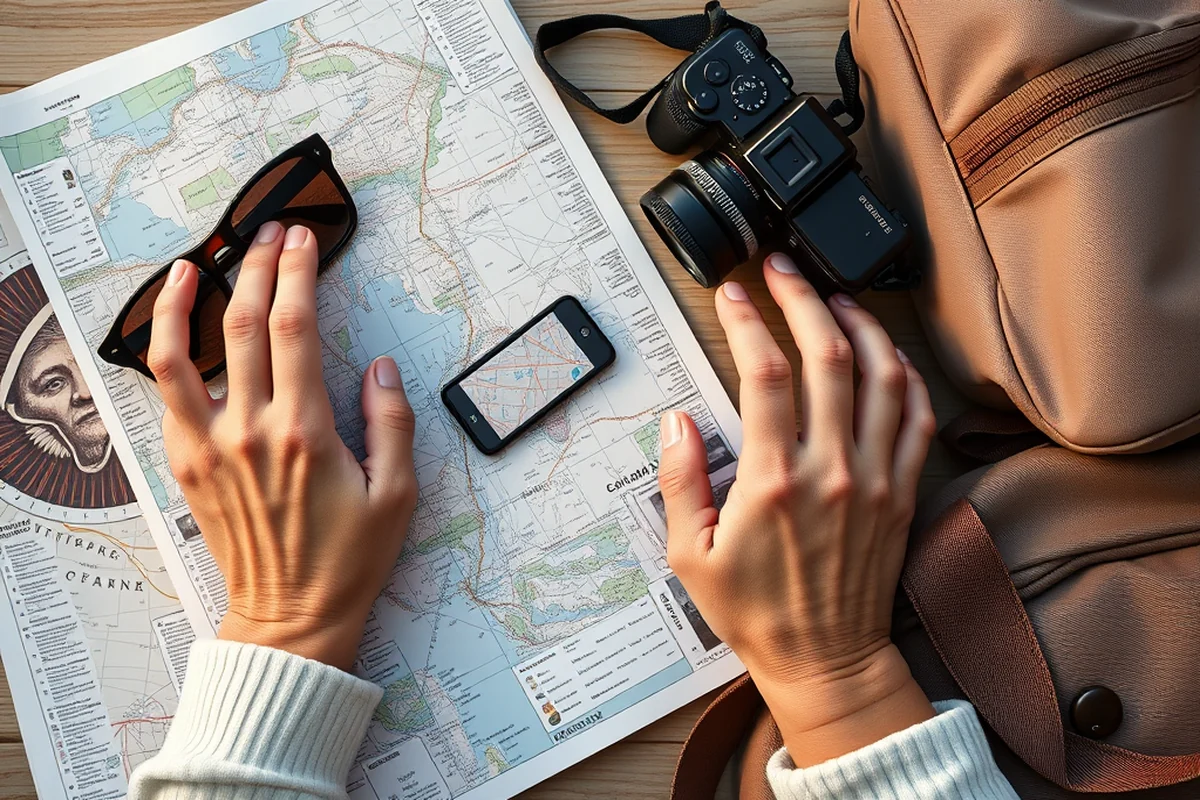
I've found that simple, meaningful activities — like walking on the beach, listening to music, or sharing a meal — can be deeply comforting for someone living with dementia. These activities provide a sense of normalcy and connection, even in the midst of a trip.
I also make sure to bring along familiar items, like a favorite book or a photo album, to help my loved one feel more at home. These small touches can make a big difference in their comfort and engagement.
I've learned that the goal of the trip is not to make everything perfect, but to create a space where my loved one can feel safe, loved, and supported. This might mean adjusting plans on the fly or simply sitting quietly together and watching the sunset.
Related: What is dementia clock test
Staying Safe and Comfortable
I always make sure to choose accommodations that are easy to navigate and have a sense of familiarity. This might mean staying in a hotel with a quiet room, a predictable layout, and a friendly staff who can help if needed.
I also make sure to have a plan in place in case of an emergency — like knowing the location of the nearest hospital or having a list of emergency contacts on hand. This gives me peace of mind and helps me stay prepared for any situation that may arise.
I've found that staying in a place that is close to home can be especially comforting for someone living with dementia. This provides a sense of security and makes it easier to manage any unexpected changes or needs.
Related: Memory test for dementia
Returning Home
After the trip, I make sure to take time to reflect on the experience and share it with my loved one. This helps them feel more connected to the trip and can also provide a sense of closure and comfort.
I also make sure to gradually reintroduce them to their daily routine, allowing them time to adjust to being back home. This might include a quiet evening at home, a gentle walk around the neighborhood, or a simple meal together.
I've learned that the transition back home is just as important as the trip itself. That taking time to ease into this change can help both of us feel more at ease and supported.
The journey home is just as meaningful as the trip itself.
Related: What is alzheimer s disease
Sharing the Experience
I've found that traveling with dementia care is not just about providing care, but also about creating shared memories and moments of connection. These experiences can be deeply rewarding and can help both of us feel more at ease and supported.
I also find that sharing the experience with others — like family members or friends — can be a great way to create a sense of support and community around the trip. This might include inviting a close friend to join us on the trip or sharing stories and photos with loved ones back home.
I've learned that the goal of traveling with dementia care is not to create a perfect trip, but to create a space where my loved one can feel safe, loved, and supported. This might mean adjusting plans on the fly or simply sitting quietly together and watching the sunset.
💰 Budget-Friendly Getaway
A low-cost trip to a nearby town with accessible amenities and a relaxed pace. Ideal for those looking for a simple, stress-free experience.
🌤️ Long Weekend Escape
A short but meaningful trip over the weekend that includes a few familiar stops and plenty of rest. Great for those with limited time.
👨👩👧👦 With Kids
A family-friendly trip that includes child-friendly activities and accommodations. Ideal for those looking to spend time with loved ones and children.
🍂 Off-Season Adventure
A trip during the off-season that takes advantage of lower prices and fewer crowds. Great for those looking for a quieter, more relaxed experience.
🌴 Luxury Retreat
A high-end trip to a peaceful location with top-tier amenities and personalized care. Perfect for those looking for a luxurious, stress-free experience.
| The mistake | Why it happens | The fix |
|---|---|---|
| Overpacking the itinerary | Trying to fit too many activities into a short trip can be overwhelming and stressful for someone living with dementia. | Choose a short, predictable itinerary with a few familiar stops and plenty of rest breaks. |
| Ignoring the need for rest | Forgetting to include rest breaks can lead to increased stress and anxiety for your loved one. | Make sure to plan for regular rest breaks and allow for flexibility in the itinerary. |
| Choosing an unfamiliar or high-stimulus destination | Selecting a destination that is unfamiliar or too stimulating can be confusing and overwhelming for someone living with dementia. | Choose a destination that is familiar, accessible, and low-stimulus. |
| Not preparing for emergencies | Failing to prepare for emergencies can leave you and your loved one unprepared for unexpected changes or needs. | Make sure to have a list of emergency contacts and medications on hand, and choose accommodations that are easy to navigate. |
Traveling With Dementia Care
Common Questions
How can I plan a trip that is comfortable for my loved one with dementia?
What should I pack for a trip with dementia care?
How can I manage unexpected changes during the trip?
What are some low-stress activities to include on a trip with dementia care?
References
- 2025 Report of the New York State Coordinating Council for ... (health.ny.gov)
- A Resource for Traveling with a Loved One Living with Dementia (depts.washington.edu)
- Understanding and Predicting Traveler Response to Information (rosap.ntl.bts.gov)
Cite this guide
Traveling with Dementia Care (2026). Traveling With Dementia Care. https://carewaygo.com/traveling-with-dementia-care/
Feel free to cite or share this guide.