
Dementia Care Blenheim
📖 Table of Contents
- Why Blenheim Stands Out for Dementia-Friendly Travel
- Dementia-Friendly Accommodations in Blenheim
- Nature-Based Activities for a Calm and Grounding Experience
- The Importance of Local Community Support in Blenheim
- Dining Options That Prioritize Comfort and Accessibility
- Transportation and Accessibility in Blenheim
- Planning Your Dementia-Friendly Trip to Blenheim
- Make It Your Way
- Frequently Asked Questions
Blenheim, a town nestled in the heart of New Zealand’s Marlborough region, is a place where the past and present coexist in a delicate balance. As the founder of Traveling with Dementia Care, I’ve had the unique opportunity to explore places where accessibility, comfort, and beauty converge. Blenheim is one such destination, where the rolling vineyards of the Wairau Valley meet a growing network of dementia-friendly accommodations and services. It was on one of my visits, standing in the sun-drenched orchards of a local farm, that I realized how Blenheim’s quiet charm and community-centered approach could make a world of difference for travelers with dementia and their caregivers.[2]
Traveling with dementia requires more than just a well-planned itinerary—it demands a deep understanding of the traveler’s needs and the environment that supports them. Blenheim, with its small-town feel and growing emphasis on inclusivity, has become a beacon for those seeking a compassionate and accessible travel experience. I remember one particular afternoon at a local café where the staff went above and beyond to ensure a guest with dementia felt at ease, something that made the town feel like a sanctuary for both the traveler and their companion.[3]
What makes Blenheim stand out is not just its scenic beauty or its reputation as the 'Grape Capital of New Zealand,' but the way it seamlessly integrates care for individuals with dementia into its daily life. Whether it’s the welcoming smiles from locals, the thoughtfully designed accommodations, or the accessible pathways that wind through its main streets, Blenheim is a place where every detail is considered. It’s this attention to detail that has turned Blenheim into a destination that truly understands the needs of its travelers.[4]
Why You'll Love This Trip
- A serene, accessible environment ideal for travelers with dementia
- Opportunities to engage in low-stimulation, nature-based activities
- Warm, well-trained local staff who prioritize comfort and safety
- A range of accommodations tailored to the needs of individuals with dementia and their companions
Why Blenheim Stands Out for Dementia-Friendly Travel
As of August 2026, from the moment you arrive, Blenheim’s dementia-friendly design is evident in its well-marked pathways, clear signage, and welcoming atmosphere. The town is small enough that it’s easy to navigate, yet it offers a wealth of experiences—from vineyard tours to gentle walks through the surrounding hills. Local businesses have also taken steps to ensure that visitors with dementia feel comfortable and safe, with staff trained to offer support when needed.[1]
One of the most remarkable things about Blenheim is how the community has embraced the needs of individuals with dementia. I remember visiting a local café where the owner, upon learning that one of her regulars had dementia, made a point of creating a quiet corner with a view of the garden and a gentle playlist that soothed her guest. This kind of personal attention is what makes Blenheim stand out.[5]
The town’s commitment to accessibility is reflected in its infrastructure as well. Roads are well-lit, and public spaces are designed with clear sightlines and minimal sensory overload. This not only makes it easier for individuals with dementia to move around independently but also reduces stress for caregivers, who can feel confident that their loved ones are in a safe and supportive environment.
Before arriving, download a map of Blenheim and mark the key points of interest—cafés, parks, and medical facilities. This can help reduce disorientation and build familiarity with the environment.
Part of our Care homes guide.
Dementia-Friendly Accommodations in Blenheim
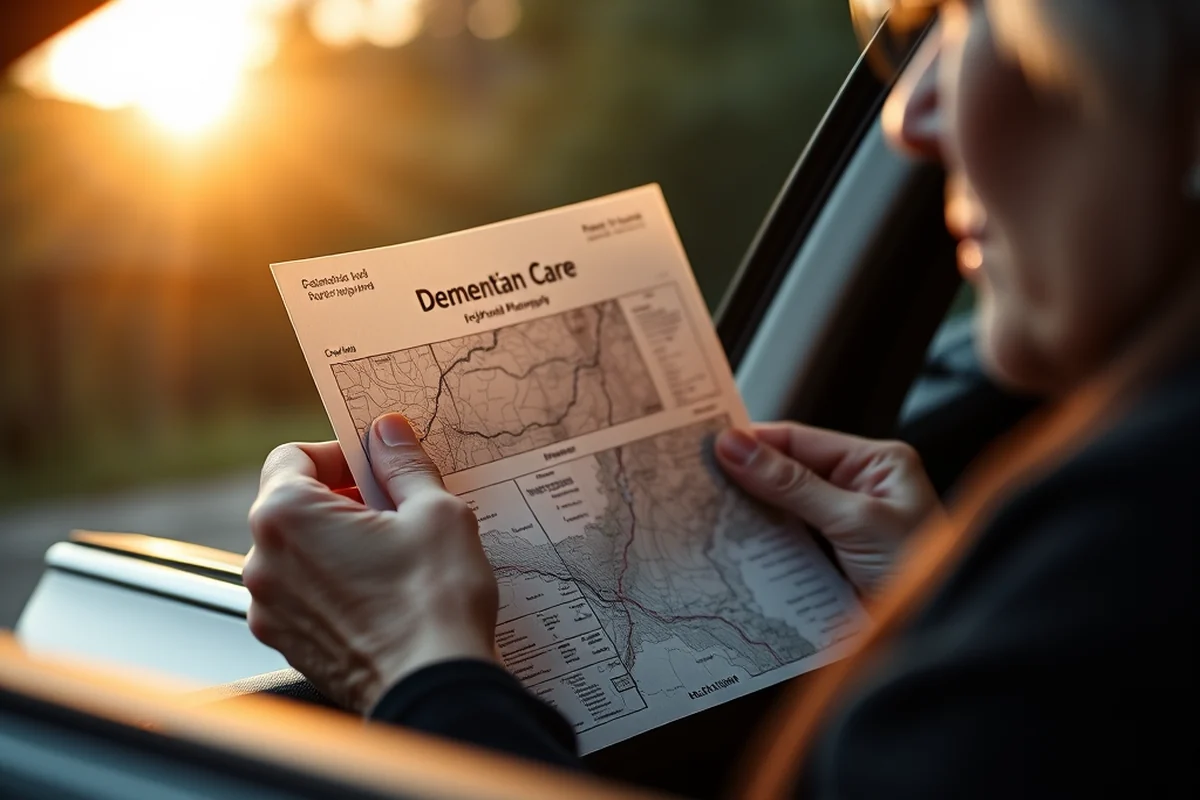
From cozy bed and breakfasts to larger homes that can accommodate group stays, Blenheim has a variety of options that cater to the needs of individuals with dementia. Many of these accommodations are equipped with features such as wide doorways, grab bars in bathrooms, and non-slip flooring, all of which contribute to a safer and more comfortable stay.
One of the standout options is a small, locally owned retreat that I stayed at during my last visit. The home had a calming color palette, and the rooms were designed with minimal clutter to reduce confusion. The hosts also provided a detailed orientation map of the property, which was incredibly helpful in helping my companion feel more at ease.
In addition to these physical features, many of the accommodations in Blenheim have staff who are trained in dementia care. This means that if a guest needs assistance with anything from meal preparation to medication management, they can rely on the support of the hosts. This level of care is invaluable for travelers who may not be able to manage independently.
The right accommodation can transform a trip from stressful to soothing.
Related: Activities for dementia care
Related: Dementia care foundation
Nature-Based Activities for a Calm and Grounding Experience
One of the most popular activities in Blenheim is a gentle walk through the vineyards of the Wairau Valley. These walks are typically led by local guides who are trained to offer a calm and reassuring presence. The quiet trails, the scent of ripe grapes in the air, and the soft sounds of nature create a meditative atmosphere that can be incredibly calming for those with dementia.
I also had the opportunity to visit a nearby orchard where a group of residents with dementia participated in a guided gardening session. The act of planting and tending to the garden was not only therapeutic but also provided a sense of purpose and accomplishment. The tactile experience of working with the soil and the natural rhythm of the activity seemed to have a grounding effect on the participants.
These nature-based activities are not only beneficial for individuals with dementia but also provide a way for caregivers to connect with their loved ones in a more meaningful way. By engaging in these activities together, caregivers can foster a sense of companionship and shared experience, which can be especially important in the context of dementia care.
Opt for activities that are low in sensory stimulation and structured in their format. This can help reduce confusion and create a more relaxing experience for individuals with dementia.
“Blenheim, a town nestled in the heart of New Zealand’s Marlborough region, is a place where the past and present coexist in a delicate balance.”— Traveling with Dementia Care editors
The Importance of Local Community Support in Blenheim

The people of Blenheim are known for their warmth and willingness to help, and this extends to travelers with dementia as well. I had a particularly memorable experience during my last visit when a local shopkeeper recognized a guest with dementia and offered to guide her through the store at her own pace. This kind of personal attention can make a significant difference in the comfort and confidence of individuals with dementia.
Local organizations in Blenheim also offer support services for travelers with dementia, including transportation assistance, medical care, and social activities. These services are often provided at little to no cost, which is a huge relief for caregivers who may be concerned about the financial burden of traveling with a loved one.
The sense of community in Blenheim is palpable, and this is one of the reasons why it has become a popular destination for dementia-friendly travel. Whether it’s through the kindness of strangers or the support of local organizations, Blenheim offers a level of care and inclusion that is rare to find in other destinations.
Dining Options That Prioritize Comfort and Accessibility
Many of the restaurants and cafés in Blenheim have made accommodations to ensure that individuals with dementia can enjoy a meal in a relaxed and stress-free environment. Some of the more dementia-friendly options include quiet dining areas, simple menus that are easy to understand, and staff who are trained to offer assistance with ordering and serving food.
I had the opportunity to visit a café that had a dedicated 'dementia-friendly corner' with a low-noise environment and a gentle lighting scheme. The owner had also created a visual menu with pictures of the dishes, which made it easier for guests with dementia to choose what they wanted to eat. This thoughtful detail made the experience more enjoyable for everyone involved.
In addition to these physical accommodations, many of the dining establishments in Blenheim have staff who are trained in dementia care. This means that if a guest needs assistance with anything from meal preparation to communication, they can rely on the support of the restaurant staff. This level of care is invaluable for travelers who may not be able to manage independently.
Transportation and Accessibility in Blenheim
Whether it’s by bus, taxi, or private hire, Blenheim has a variety of transportation options that can help ensure that travelers with dementia can move around the town with ease. Many of the local taxi services have drivers who are trained to offer a calm and reassuring presence, which can be especially important for individuals with dementia who may feel overwhelmed by unfamiliar environments.
I found that using the local bus service was a particularly good option for my last trip, as the buses were well-maintained and equipped with features such as low floors and grab bars. The routes were also clearly marked, and the buses ran on a predictable schedule, which helped reduce anxiety for both my companion and me.
In addition to these public transportation options, Blenheim also offers a range of private transportation services that are tailored to the needs of individuals with dementia. These services include wheelchair-accessible vehicles and drivers who are trained in dementia care. This level of support is invaluable for travelers who may not be able to manage independently.
A reliable transportation system can make the difference between a stressful trip and a peaceful one.
Planning Your Dementia-Friendly Trip to Blenheim
One of the first steps in planning a dementia-friendly trip to Blenheim is to choose an accommodation that is designed with the needs of individuals with dementia in mind. This includes looking for homes that have features such as wide doorways, grab bars, and non-slip flooring. It’s also important to consider the location of the accommodation, as being close to key points of interest can help reduce confusion and disorientation.
Another important consideration is the choice of activities. It’s best to focus on low-stimulation, nature-based activities that can provide a calming and grounding experience for individuals with dementia. This might include gentle walks through the vineyards, visits to local gardens, or quiet time spent in the natural surroundings.
Finally, it’s important to be aware of the transportation options available in Blenheim and to plan accordingly. Whether it’s using the local bus service or hiring a private driver, choosing a transportation option that is accessible and well-suited to the needs of the traveler is essential for a successful trip.
💰 Budget-Friendly Dementia-Friendly Stay
Experience Blenheim’s charm on a budget with affordable accommodations and local, low-cost activities that prioritize comfort and accessibility.
📅 Long Weekend Escape
A short but fulfilling trip to Blenheim, ideal for those looking to enjoy the town’s amenities and natural beauty without committing to a longer stay.
👨👩👧👦 Dementia-Friendly Family Getaway
A family-friendly trip to Blenheim that includes accessible accommodations, gentle activities, and a warm, welcoming environment for all ages.
🍂 Off-Season Dementia-Friendly Travel
Enjoy Blenheim’s quiet beauty during the off-season, with fewer crowds and a more relaxed pace that’s perfect for travelers with dementia.
🛏️ Luxury Dementia-Friendly Retreat
Indulge in a high-end, dementia-friendly retreat in Blenheim, where comfort, accessibility, and natural beauty come together in perfect harmony.
| The mistake | Why it happens | The fix |
|---|---|---|
| Assuming that all accommodations in Blenheim are dementia-friendly | Not all accommodations in Blenheim are designed with the specific needs of individuals with dementia in mind. | Research and book accommodations that have been specifically designed or certified as dementia-friendly. |
| Overlooking the importance of transportation planning | Transportation is a key consideration for travelers with dementia, as it can significantly impact their comfort and safety. | Choose a transportation option that is accessible and well-suited to the needs of the traveler, such as a private driver or a public bus service with trained drivers. |
| Failing to plan for quiet, low-stimulation activities | Highly stimulating environments can be overwhelming for individuals with dementia, leading to increased stress and confusion. | Opt for activities that are gentle and calming, such as nature walks or visits to quiet, familiar places. |
| Neglecting to communicate with local businesses in advance | Failing to inform local businesses about the needs of the traveler can result in a lack of appropriate accommodations or support. | Contact local businesses and accommodations in advance to discuss any specific needs or accommodations that may be required. |
Dementia Care Blenheim
Common Questions
How can I ensure that my accommodation in Blenheim is dementia-friendly?
Are there transportation options that are accessible for individuals with dementia?
What kind of activities are best for individuals with dementia in Blenheim?
How can I find dementia-friendly dining options in Blenheim?
Cite this guide
Traveling with Dementia Care (2026). Dementia Care Blenheim. https://carewaygo.com/dementia-care-blenheim/
Feel free to cite or share this guide.
References
- (PDF) Ielts reading past papers - Academia.edu (academia.edu)
- The dictionary text file - andrew.cmu.ed (andrew.cmu.edu)
- BPCI Advanced SNF List Q3 2022 - CMS (cms.gov)
- randPermDic.txt - Cornell: Computer Science (cs.cornell.edu)
- doc_word.txt - Stanford Computer Science (cs.stanford.edu)