
Lewy Body Dementia
📖 Table of Contents
I remember the first time I packed a suitcase for a trip with my mother, who was living with Lewy Body Dementia. The idea of traveling with someone who experiences unpredictable fluctuations in cognitive function, visual hallucinations, and motor symptoms seemed nearly impossible. But over the years, I’ve learned that with thoughtful planning, it’s not only possible — it can be profoundly meaningful. Lewy Body Dementia is a complex condition, and it reshapes how we approach travel, but it doesn’t erase the joy of exploring new places with someone you love.[1]
Traveling with someone with Lewy Body Dementia requires more than just a well-laid itinerary — it demands empathy, patience, and a deep understanding of the person’s needs. I’ve found that the key is to create a balance between structure and flexibility, so that the journey can be both safe and fulfilling. Whether it’s a short trip to a nearby town or a longer adventure across the country, the right approach can make all the difference.[2]
One of the most important lessons I’ve learned is that Lewy Body Dementia doesn’t mean the end of travel. In fact, it can open up new ways of experiencing the world — if you’re willing to adapt and listen. I’ve traveled with my mother to coastal towns, quiet retreats, and even small cities with a rich cultural history. Each trip had its own challenges, but also its own rewards. And in those moments, I found a deeper connection with her that I never expected.[3]
Why You'll Love This Guide
- Practical tips tailored specifically to Lewy Body Dementia travelers
- Real-life experiences from people who have done it before
- Concrete strategies for managing symptoms on the road
- Inspiration to take the journey with your loved one
Understanding Lewy Body Dementia and Travel
As of September 2026, Lewy Body Dementia is a type of progressive dementia that affects thinking, movement, and behavior. It’s often misunderstood, and its symptoms can vary widely — from visual hallucinations to fluctuating levels of alertness. These challenges can make travel difficult, but they don’t make it impossible.[4]
One of the most important things to understand is that people with Lewy Body Dementia can have good and bad days. Planning a trip around their most stable days can make the experience smoother. I’ve found that trips that are short, predictable, and low-stress tend to work best.
It’s also important to be prepared for the unexpected. I always travel with a list of emergency contacts, medications, and a backup plan in case of a sudden change in the person’s condition. This doesn’t mean the trip is less enjoyable — it means it’s more likely to be successful.
Pay attention to your loved one’s good days and plan travel around them. This can make the journey smoother and more enjoyable for both of you.
Part of our More dementia caregivers guide.
Choosing the Right Destination
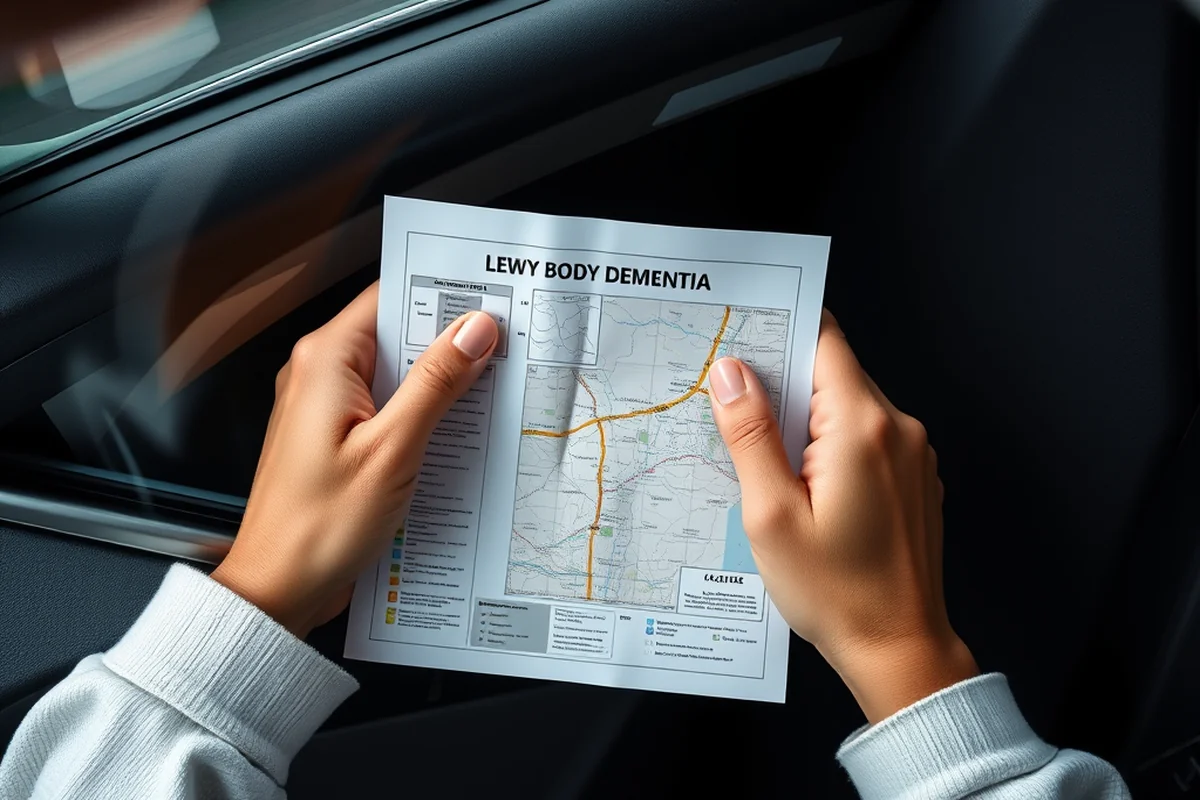
I’ve traveled with my mother to a variety of destinations, but I’ve found that smaller, quieter places tend to be better than busy cities. The key is to find a destination that is safe, comfortable, and predictable. I’ve always preferred places with easy access to medical care, clear signage, and friendly locals.
Another thing to consider is the climate. I’ve found that cooler temperatures are often more comfortable for people with Lewy Body Dementia, especially if they have mobility issues. I’ve avoided places with extreme heat, which can be uncomfortable and even dangerous.
I also look for destinations that offer a range of activities, but not too many. It’s important to balance exploration with rest. A place with walking paths, museums, and local shops can be ideal — as long as it’s not overwhelming.
A quiet town with easy access to nature is often the best destination for a trip with someone with Lewy Body Dementia.
Related: Travel for dementia patients
Related: Journey dementia
Packing Smart for a Trip with Lewy Body Dementia
I always pack everything I need for my mother in one place. That includes medications, a first-aid kit, a list of emergency contacts, and any medical documents. I keep a copy of her medications in a clear, labeled container so it’s easy to find if needed.
I also pack familiar items, like her favorite blanket, pillow, or book. These can help her feel more comfortable and relaxed during the trip. I’ve found that having a sense of familiarity can reduce anxiety and make the journey more enjoyable.
I make sure to bring a bag for carrying her things, especially if she has trouble with mobility. I’ve also brought a portable chair or cushion for long walks, which has made a big difference in her comfort.
Bring familiar items, medications, and a first-aid kit. Also, pack a portable chair or cushion for long walks to ensure comfort.
“I remember the first time I packed a suitcase for a trip with my mother, who was living with Lewy Body Dementia.”— Traveling with Dementia Care editors
Related: Activities you can do with dementia patients
Related: Dementia careblazers
Staying Safe on the Road
I always make sure to have a copy of my mother’s medical information with me, including her medications, allergies, and any special needs. I also keep a list of nearby hospitals, pharmacies, and emergency services in case of an unexpected situation.
I’ve found that it’s helpful to travel with a trusted friend or family member who knows my mother well. This person can help me manage any unexpected situations and provide support if needed.
I also make sure that my phone is fully charged and that I have a portable charger with me. This way, I can stay connected and get help if needed. I’ve also set up a family group chat so that everyone can stay in touch and help if something happens.
Related: How to travel with someone with dementia
Related: Traveling dementia
Making the Most of the Journey
One of the things I’ve learned is that it’s important to focus on the moments that matter — rather than trying to see everything. I’ve found that a few quiet, meaningful experiences can be more valuable than a long, exhausting itinerary.
I also try to keep things simple and predictable. I’ve found that people with Lewy Body Dementia often feel more comfortable with a routine. I make sure to plan our days carefully, and I always leave room for rest and relaxation.
I’ve also found that it’s important to be flexible and go with the flow. Sometimes, things don’t go as planned — and that’s okay. I’ve learned to be patient and to enjoy the journey, even if it’s not exactly what I expected.
Related: Dementia going down
Related: Dementia caregivers
Handling Unexpected Situations
One of the most important things is to stay calm and not panic. I’ve found that keeping my cool can help my mother feel more at ease. I also make sure to have a plan in place for any unexpected events.
I’ve also learned that it’s helpful to have a backup plan for everything. If we’re staying in a hotel, I make sure I know where the nearest hospital is. If we’re on a road trip, I have a list of nearby rest areas and gas stations.
I’ve found that communication is key. I always let the people we meet know that we’re traveling with someone who has Lewy Body Dementia. This helps them understand what we might need and how to help if needed.
Stay calm, stay prepared, and always have a plan for the unexpected.
Related: Why does dementia fluctuate
Related: Walk to end alzheimer s 2026
Creating a Memorable Experience
I’ve found that the key to creating a memorable experience is to focus on quality over quantity. Rather than trying to see everything, I’ve learned to savor the moments that matter most.
I also make sure to involve my mother in the planning. I ask her what she’d like to do and what she’d like to see. This helps her feel more in control and more engaged with the trip.
I’ve also found that it’s important to take time to reflect on the experience. After each trip, I sit down with my mother and talk about what we enjoyed and what we could do differently next time. This helps us both grow and learn from the journey.
💰 Budget-Friendly Getaway
A cost-effective trip that prioritizes comfort and safety without breaking the bank.
🧳 Long Weekend Escape
A short but meaningful trip that allows for rest and exploration in a quiet, safe destination.
🍂 Off-Season Adventure
A trip during the off-season that offers a more relaxed, low-stress environment for travelers with Lewy Body Dementia.
✨ Luxury Retreat
A high-end, stress-free retreat that offers comfort, accessibility, and personalized care for travelers with Lewy Body Dementia.
🎭 Cultural Exploration
A trip that focuses on experiencing local traditions, art, and history in a safe and welcoming environment.
| The mistake | Why it happens | The fix |
|---|---|---|
| Not packing enough medication or medical documents | This can lead to serious health complications if needed medication is unavailable or if medical documentation is not accessible in an emergency. | Always pack a complete set of medications, a list of emergency contacts, and a copy of medical documents in a clearly labeled container. |
| Ignoring the person’s good days and planning around bad ones | Planning a trip around a person’s worst days can lead to frustration, confusion, and an overall negative experience. | Always plan a trip around the person’s best days. This increases the chances of a successful and enjoyable journey. |
| Choosing a destination that is too overwhelming or busy | A destination that is too overwhelming can cause stress, anxiety, and even panic for someone with Lewy Body Dementia. | Choose a destination that is quiet, safe, and predictable. Avoid places that are too busy or chaotic. |
| Not having a backup plan for unexpected situations | A lack of a backup plan can lead to confusion, stress, and an inability to respond quickly to unexpected events. | Always have a backup plan for everything. Know the location of nearby hospitals, pharmacies, and rest areas, and make sure you have a portable charger and phone with you at all times. |
| Trying to see or do everything in one trip | Trying to see or do everything in one trip can lead to exhaustion, confusion, and a negative experience for both the traveler and the person with Lewy Body Dementia. | Focus on quality over quantity. Choose a few meaningful experiences and allow for rest and relaxation throughout the trip. |
Lewy Body Dementia
Common Questions
What are the best places to travel with someone who has Lewy Body Dementia?
How can I prepare for a trip with someone who has Lewy Body Dementia?
What should I do if my loved one has a sudden change in symptoms while traveling?
How can I make the trip more comfortable for my loved one?
References
- NADRC Webinar on Lewy Body Dementia Diagnosis, Care, and ... (acl.gov)
- Lewy Body Dementia | Emory University | Atlanta GA (alzheimers.emory.edu)
- Genetic study of Lewy body dementia supports ties to Alzheimer's ... (alzheimers.gov)
- Dementia with Lewy Bodies - Baylor College of Medicine (bcm.edu)
Cite this guide
Traveling with Dementia Care (2026). Lewy Body Dementia. https://carewaygo.com/lewy-body-dementia/
Feel free to cite or share this guide.