
Traveling Care

📖 Table of Contents
Traveling care is a dynamic and growing field that combines mobility with the essential need for support and assistance. Whether you're caring for people, animals, or managing health-related responsibilities on the move, this area offers flexibility and purpose. From caregivers on the road to pet sitters in new cities, the demand for traveling care services is rising, driven by an aging population, remote work. A growing preference for personalized, on-the-go solutions.
For those considering a career in traveling care, it's important to understand the opportunities, challenges, and practical considerations that come with this lifestyle. This guide provides an overview of the key areas within traveling care, including care jobs, the role of a traveling caregiver, and the importance of pet care while on the move. Each section is designed to give you a clear, actionable understanding of the topic.
Whether you're looking to enter the field, improve your existing skills, or simply learn more about the options available, this hub page serves as your starting point. It will guide you to deeper resources and provide the insights you need to make informed decisions about your journey in traveling care. Let's explore the world of traveling care and the opportunities it presents.
Key Takeaways
- Care jobs for travelers are expanding, offering opportunities in healthcare, home care, and personal assistance across the globe.
- Traveling caregivers can earn competitive salaries depending on location, experience, and the type of care provided.
- Pet care while traveling is a crucial service, with options like pet sitting, boarding, and remote monitoring to ensure your pets are safe and well-cared for.
- Planning and preparation are essential to succeed in traveling care, whether you're managing patient care, working as a caregiver, or looking after pets on the move.
Care Jobs
As of August 2026, Care jobs for travelers are expanding rapidly, driven by the need for skilled professionals in remote or underserved areas. These roles often involve working with patients in their homes, hospitals, or assisted living facilities, and may be based in different cities or even countries.[1]
According to the Bureau of Labor Statistics, the demand for home health and personal care aides is projected to grow by 34% from 2022 to 2032, much faster than the average for all occupations. This increase highlights the growing reliance on care services for aging populations and those with chronic illnesses.[2]
For example, companies like Medline and VNA Home Care employ traveling caregivers who move between locations to provide care, often with flexible schedules and competitive pay. These jobs can be particularly appealing to those who enjoy variety, autonomy, and the opportunity to work in different environments.
In this guide:
In this guide:
In this guide:
Traveling Caregiver
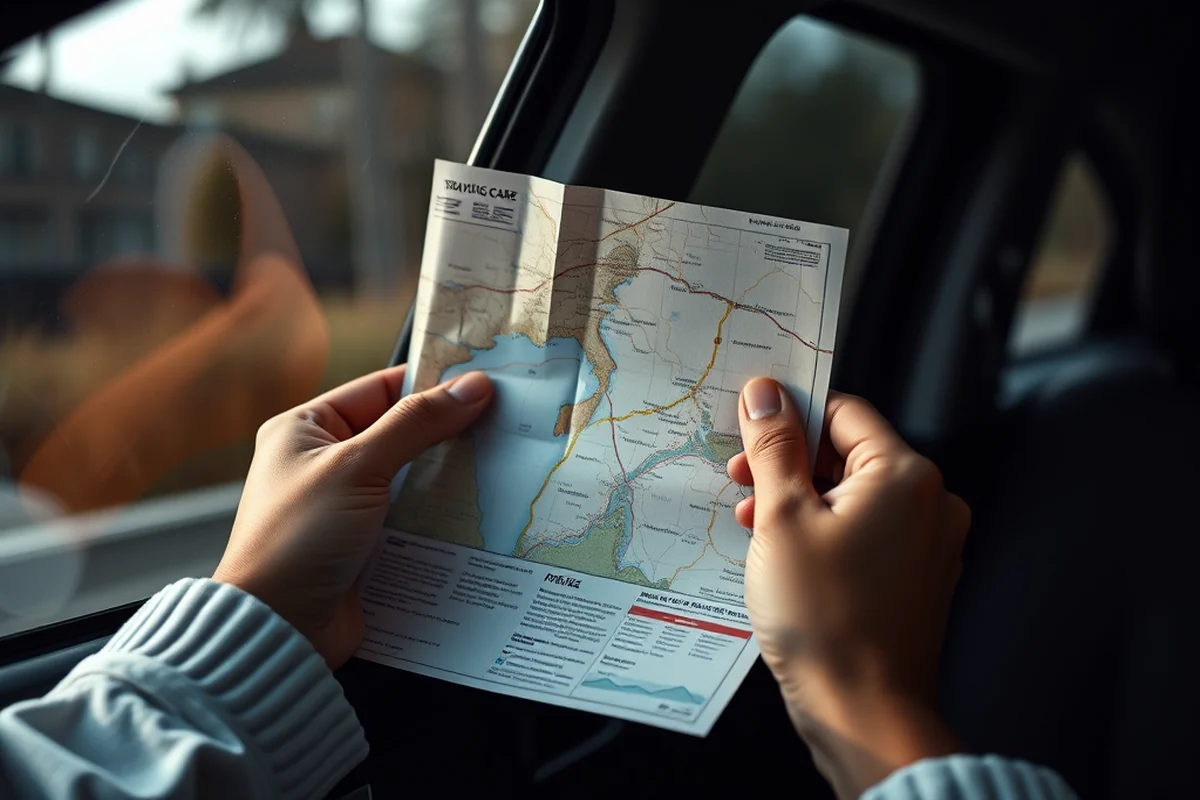
A traveling caregiver is a professional who offers care services while moving between locations, often for a temporary or extended period. This can include duties such as assisting with daily living activities, administering medication, and providing emotional support to patients.
Traveling caregivers are in high demand, particularly in areas with a shortage of local care workers. The average salary for a traveling caregiver in the U.S. Ranges between $18 to $30 per hour, depending on experience, location, and the type of care provided.[3]
For instance, a traveling caregiver working in a rural area of Alaska might earn a higher rate due to the cost of living and the difficulty of finding local care professionals. These roles often come with benefits such as housing, travel reimbursement, and health insurance, making them a financially attractive option for many.
Related: Care Facilities
Related: Vacation Care Multi Storey Manchester Airport Reviews
Related: Patient Care Tech Travel Jobs
Related: Traveling Wilburys Handle With Care Discogs
Related: Land Traveling Care Diaper Bag
Pet Care
Pet care is a critical aspect of traveling care, especially for pet owners who are frequently on the move. Services such as pet sitting, boarding, and remote monitoring help ensure pets are safe and well-cared for when their owners are away.
According to the American Pet Products Association, 67% of U.S. Households own a pet, and many of these pet owners travel for work or leisure. This has led to the growth of the pet care industry, with options like local pet sitters, veterinary boarding facilities, and even smart home devices that allow for remote pet monitoring.[4]
For example, services like Rover and Care.com connect pet owners with trusted sitters in their area, while companies like Petco and Chewy offer boarding and daycare options. These services help reduce stress for pet owners and provide a secure environment for their pets.
“Traveling care is a dynamic and growing field that combines mobility with the essential need for support and assistance.”— Traveling with Dementia Care editors
Expert Tips and Advanced Techniques

Seasoned travelers prioritize itinerary optimization by researching peak travel times, avoiding crowded destinations, and aligning travel with local events or festivals to enhance experiences and reduce costs. This strategic planning ensures a more immersive and less stressful journey.
Advanced techniques include mastering local languages through apps like Duolingo or hiring a local guide for deeper cultural understanding. These skills foster smoother interactions and open doors to unique travel opportunities that aren't accessible to casual tourists.
Another expert tip is learning how to navigate unfamiliar environments using tools like GPS and offline maps. This ensures safety and efficiency, especially in remote or language-barrier-heavy regions, allowing travelers to focus on exploration rather than stress.
Tools, Materials and Resources
Essential travel tools include durable luggage, portable chargers, and travel-sized toiletries. These items help manage the logistics of moving between locations and maintain hygiene and comfort on the go.
Digital resources like Google Trips, Skyscanner, and Airbnb are invaluable for planning and booking. These platforms provide real-time updates, cost comparisons, and curated experiences tailored to individual preferences and budgets.
Investing in travel insurance, passport protectors, and multi-lingual phrasebooks can provide peace of mind and practical support during unexpected situations, ensuring that travelers remain prepared for any scenario.
Troubleshooting and Common Questions
One of the most common travel problems is lost or delayed luggage. To handle this, always keep a copy of your luggage tags, pack essential items in your carry-on, and use luggage tracking apps. If your luggage is lost, immediately report it to the airline and file a claim. It’s also a good idea to have a list of your valuables and their serial numbers in case they need to be recovered.
Language barriers can be a challenge when traveling to non-English-speaking countries. Carrying a translation app like Google Translate or learning a few basic phrases can be incredibly helpful. Also, using visual aids such as photos or written notes can assist in communication. It’s also wise to have a local contact or travel agent who can provide support if needed.
Health concerns during travel, such as illness or injury, can be addressed by having travel insurance and knowing the location of the nearest medical facilities. It’s important to carry a list of medications, allergies, and medical conditions with you. In case of an emergency, having access to a local emergency number and knowing the procedures for seeking medical help can make a critical difference in ensuring your well-being.
Getting Started: Your First Steps
Before you start planning, define the purpose of your trip. Are you traveling for leisure, business, or adventure? Knowing your goals will help you choose the right destination, activities, and accommodations. It also allows you to allocate your budget effectively.
Researching your destination is crucial. Look into local customs, weather conditions, and safety tips. Understanding the culture and environment can help you avoid misunderstandings and ensure a more respectful and enjoyable experience. Check travel advisories from your government as well.
Gathering essential documents is the next step. This includes your passport, visa, travel insurance, and copies of important documents. Having digital backups stored securely can be a lifesaver in case of loss or theft. Also, ensure your credit cards and emergency contact information are easily accessible.
🌱 Beginner
The simplest version — minimal supplies, quick win.
💰 Budget
Same result using what you already have.
⚡ Quick
The 10-minute version for busy days.
✨ Advanced
The upgraded version once the basics stick.
| The mistake | Why it happens | The fix |
|---|---|---|
| Underestimating the need for proper licensing and certification when applying for care jobs. | Many care jobs require specific certifications, such as CPR or a nursing license, which are essential for providing safe and legal care. | Research and obtain the necessary licenses and certifications before applying for care roles to ensure eligibility and compliance. |
| Not researching pet care options in advance when planning a trip. | Failing to plan pet care in advance can lead to last-minute stress and may leave pets without proper care. | Identify and book pet care services well in advance, and ensure they are reliable and trustworthy. |
| Assuming that all pet boarding facilities are the same. | Not all pet boarding facilities provide the same level of care, and some may not be suitable for certain pets or medical conditions. | Visit the facility in person, ask about their policies and care standards, and choose a provider that meets your pet’s specific needs. |
traveling care
Common Questions
What are patient care traveling jobs?
What is the salary for a traveling caregiver?
What are the best options for traveling pet care near me?
How do I find care jobs that allow for travel?
Cite this guide
Traveling with Dementia Care (2026). Traveling Care. https://carewaygo.com/traveling-care/
Feel free to cite or share this guide.