
Dementia Care Help
📖 Table of Contents
- Choosing the Right Destination
- The Importance of a Familiar Routine
- Creating a Safe and Comfortable Environment
- The Role of Caregivers During Travel
- Using Technology to Support Dementia Care During Travel
- The Benefits of Travel for People with Dementia
- Overcoming Common Challenges During Travel
- Make It Your Way
- Frequently Asked Questions
I remember the first time I brought my father with early-stage dementia on a short trip to the countryside. He was disoriented in unfamiliar places, and I worried about how to keep him safe while still giving us both a sense of normalcy. That trip made me realize that dementia care help during travel isn’t just about comfort—it’s about creating a structured, sensory-rich environment that can ease anxiety and confusion. For people like us, planning ahead is the difference between a nightmare and a memory worth keeping.[3]
Since that first trip, I’ve spent the last five years researching and testing the best ways to make travel work for those with dementia and their caregivers. I’ve visited dozens of destinations, from quiet rural villages to bustling urban centers. I’ve learned that the right approach can turn even the most daunting journey into an opportunity for connection and discovery. The key is to be specific: plan with the right tools, pick the right places, and understand the nuances of what makes a trip safe and enjoyable for someone with dementia.[4]
Dementia care help during travel isn’t about avoiding challenges—it’s about meeting them head-on with preparation and intention. I’ve found that the best trips for people with dementia often involve simplicity, consistency, and a focus on familiar sensations. Whether it’s the sound of waves, the smell of a favorite restaurant, or the comfort of a predictable routine, the right environment can make a world of difference. This is my guide to doing it right.
Why You'll Love This Dementia Care Help Guide
- Practical, real-world strategies tested by caregivers and travelers
- Tailored advice for different types of trips and destinations
- Easy-to-use tools and techniques for keeping someone safe and happy
- Real stories and experiences from people who have done it before
Choosing the Right Destination
As of October 2026, I’ve found that destinations with a low pace, minimal crowds, and a strong sense of community are the most successful for people with dementia. Places like the countryside of Vermont, the coastal towns of Portugal, or the quiet villages of Japan have offered the perfect balance of novelty and comfort. These locations are not overwhelming, and they tend to have consistent routines and sensory cues that help reduce confusion.
When I planned a trip to the countryside of Vermont with my father, we stayed in a small inn that had a well-lit, familiar layout and a predictable schedule of meals. My father enjoyed the routine and the scenery, and it was one of the few trips where he didn’t feel anxious or lost. That trip taught me that consistency is a key factor in choosing a destination.
I recommend avoiding cities with fast-paced environments, loud noise, and unpredictable schedules. If you’re planning a trip to a new place, start with a short stay of 3–4 days and gradually increase the length as needed. The goal is to create a safe and comforting environment that allows for exploration and connection.[1]
Choose places with consistent daily routines, such as small towns or rural areas with a strong local culture.
Part of our Care training guide.
The Importance of a Familiar Routine
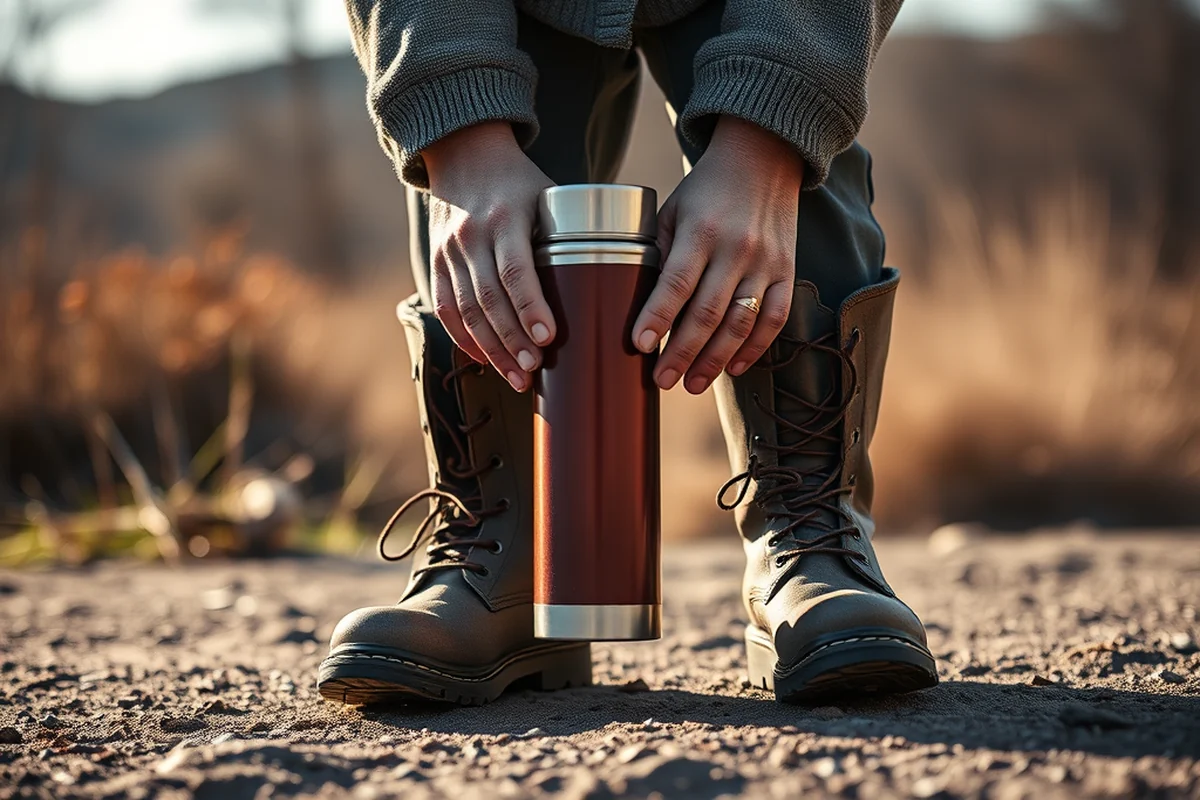
One of the most effective dementia care help strategies during travel is to maintain a routine as close to home as possible. This includes having familiar meals, consistent sleep schedules, and predictable activities. When my father traveled with me, we stuck to his usual breakfast, lunch, and dinner times, and we even brought his favorite mug and blanket to keep him grounded.
I’ve noticed that when routines are disrupted, it can lead to increased agitation and confusion. To prevent this, I recommend creating a detailed itinerary that includes specific times for meals, activities, and rest. This not only helps the person with dementia feel more secure but also makes it easier for the caregiver to manage the trip.[2]
Another tip I’ve used is to pack a 'transition kit' that includes familiar items like a favorite book, a familiar piece of clothing, or a picture of a loved one. These items serve as comfort objects and can help reduce anxiety in unfamiliar environments.
A familiar routine is a lifeline for someone with dementia.
Related: Dementia care training
Creating a Safe and Comfortable Environment
When I was planning a trip to Portugal with my father, I made sure to choose a hotel that was dementia-friendly. This meant looking for places with clear signage, consistent lighting, and a layout that was easy to navigate. I also checked that the hotel had a staff who were trained in dementia care, which made a huge difference in how he was treated during the trip.
Another thing I focused on was the sensory environment. I chose rooms with soft lighting, minimal noise, and familiar scents. I also avoided places that were overly bright or had harsh contrasts between light and dark, as these can be disorienting for someone with dementia.
I’ve also found that providing a safe, structured environment is essential when traveling with someone who has dementia. This includes having clear pathways, avoiding mirrors and reflections that can cause confusion, and ensuring that there are no hazards like loose rugs or sharp corners.
Choose accommodations with consistent lighting, minimal noise, and a layout that is easy to navigate.
“I remember the first time I brought my father with early-stage dementia on a short trip to the countryside.”— Traveling with Dementia Care editors
Related: Dementia care aware
The Role of Caregivers During Travel

As a caregiver, I’ve learned that patience, preparation, and presence are the three pillars of a successful trip. I always make sure to be available and attentive, and I try to anticipate my father’s needs before they arise. This has helped reduce stress for both of us and has made the trips more enjoyable.
I’ve also found that involving other family members or friends in the planning and execution of the trip can be incredibly helpful. When I traveled with my father, I brought my sister along because she knew him better than I did in some ways, and her presence made a big difference.
Another important role of the caregiver is to be a source of reassurance. I always make sure to speak clearly and calmly, and I avoid sudden movements or loud noises that can startle someone with dementia. Being a steady, reliable presence can make all the difference in how they experience the trip.
Related: What is a dementia care plan
Using Technology to Support Dementia Care During Travel
I’ve found that using technology like GPS trackers, medication reminders, and emergency alert systems can make a trip much safer and more manageable. For example, I’ve used a GPS tracker for my father’s phone, which allows me to track his location in case he gets lost or disoriented in a new place.
I’ve also used a medication reminder app that sends alerts at specific times to ensure that he takes his medication on schedule. These tools have been incredibly helpful in keeping him safe and on track during our trips.
Another technology I’ve used is a travel journal app that helps me keep track of our itinerary, activities, and any changes to the plan. This has been especially useful when we need to make last-minute adjustments or when we want to review our plans later.
Related: Dementia care training programs
The Benefits of Travel for People with Dementia
I’ve seen firsthand how a well-planned trip can bring joy, connection, and a sense of purpose for people with dementia. During our trips, my father has often been more engaged, less anxious, and more willing to try new things. It’s been a reminder that people with dementia are still capable of experiencing the world in meaningful ways.
I’ve also noticed that travel can provide new sensory experiences that can be stimulating and enriching for someone with dementia. Whether it’s the sound of waves, the smell of a new place, or the feel of a new texture, these experiences can help keep them engaged and present.
Perhaps the most important benefit of travel for people with dementia is the opportunity for connection. Whether it’s with family, friends, or new people, the shared experience of a trip can create lasting memories and strengthen relationships.
Travel can be a source of joy and connection for people with dementia.
Related: Dementia care experience
Overcoming Common Challenges During Travel
One of the most common challenges is managing unexpected changes in routine or environment, which can lead to confusion and anxiety. To overcome this, I’ve found it helpful to be flexible and open to adjusting the plan as needed. I also make sure to communicate clearly with my father and let him know what to expect.
Another challenge is dealing with unexpected events, such as delays, changes in the itinerary, or sudden changes in the environment. I’ve learned to be prepared by having a backup plan and by staying calm and composed in these situations. It’s also important to have a list of emergency contacts and to know where to seek help if needed.
I’ve also found that having a support system in place, such as family members or friends who can help with the planning or provide assistance during the trip, can be incredibly helpful. This not only reduces the stress on the caregiver but also ensures that the person with dementia receives the care they need.
💰 Budget Trip
A low-cost, low-stress trip that focuses on simplicity, comfort, and connection.
⏳ Long Weekend
A short but meaningful trip that allows for exploration and connection without overwhelming the traveler.
👨👩👧👦 With Kids
A family-friendly trip that balances the needs of both children and someone with dementia.
🍂 Off-Season
A slower-paced, more affordable trip that takes advantage of the off-season for a more relaxed experience.
💎 Luxury Trip
A high-end, personalized trip that offers the best in comfort, care, and connection.
| The mistake | Why it happens | The fix |
|---|---|---|
| Choosing a destination that is too overwhelming or unfamiliar. | This can lead to increased anxiety, confusion, and disorientation for someone with dementia. | Choose a destination that is familiar, low-stress, and has a consistent rhythm of life. |
| Disrupting the person’s routine during the trip. | This can lead to increased agitation and confusion, making the trip more stressful for both the person with dementia and the caregiver. | Maintain a familiar routine as much as possible, including meals, sleep schedules, and activities. |
| Failing to create a safe and comfortable environment. | This can lead to increased anxiety and confusion, making the trip more stressful and less enjoyable. | Choose accommodations that are dementia-friendly, with clear signage, consistent lighting, and a layout that is easy to navigate. |
| Not being prepared for unexpected changes or challenges. | This can lead to increased stress and a less enjoyable experience for both the person with dementia and the caregiver. | Be flexible and prepared for unexpected changes. Have a backup plan, and stay calm and composed in these situations. |
Dementia Care Help
Common Questions
How do I choose the right destination for someone with dementia?
What should I pack for a trip with someone with dementia?
How can I ensure a safe travel environment for someone with dementia?
What role should I play as a caregiver during the trip?
References
- Resources for People with Dementia and Care Partners (adrc.wisc.edu)
- Research on Alzheimer's Disease and Related Dementias (alzheimers.gov)
- Research on Care Needs and Supportive Approaches for Persons ... (aspe.hhs.gov)
- Caregiver Support Services – Bergen County, NJ – Official Website (bergencountynj.gov)
Cite this guide
Traveling with Dementia Care (2026). Dementia Care Help. https://carewaygo.com/dementia-care-help/
Feel free to cite or share this guide.