
Dementia Care Bristol
📖 Table of Contents
- Dementia-Friendly Accommodations in Bristol
- Navigating Public Transport with Dementia
- Exploring Bristol on Foot
- Dementia-Friendly Activities in Bristol
- Support Services in Bristol for Travelers with Dementia
- Dining with Dementia in Bristol
- The Importance of Planning Ahead
- Sensory-Friendly Travel Tips for Dementia Care in Bristol
- Make It Your Way
- Frequently Asked Questions
I arrived in Bristol with my mother, who was diagnosed with early-stage dementia six months earlier. The city, with its cobblestone streets and historic charm, seemed like a perfect place to spend time together. But navigating public transport, finding dementia-friendly accommodations, and ensuring her safety were constant concerns. What I discovered in Bristol was not just a city with a rich cultural heritage, but a place that had made thoughtful strides in dementia care — for travelers and residents alike.
Bristol is a city that values inclusivity, and I quickly learned that dementia care in Bristol was not an afterthought, but a priority. From well-marked pathways in the city center to accessible museums and parks, the city had made efforts to ensure that people with dementia could move about safely and comfortably. This article is for anyone who wants to travel with a loved one living with dementia — and for those who are planning a trip to Bristol with that in mind.
Through my own journey, I found specific places, services, and strategies that made our stay manageable and even enjoyable. I’ll share the details here — from the best walking routes to the top dementia-friendly accommodations in Bristol — so that you can plan a trip that honors both your travel goals and your loved one’s needs.
Why You'll Love This Journey
- A city that is actively dementia-friendly and well-prepared for travelers with loved ones living with dementia.
- Access to specific, easy-to-use resources that make navigating Bristol stress-free.
- A range of accommodations designed with accessibility and comfort in mind.
- Opportunities to explore Bristol’s rich culture and history in a safe and engaging way.
Dementia-Friendly Accommodations in Bristol
As of October 2026, I stayed at a boutique hotel in the city center that had a dementia-friendly room designed with minimal clutter and sensory-friendly lighting. The staff were trained to handle dementia-related situations with patience and understanding, which made the experience far less stressful for both my mother and me.
Other options include The Old Bank in Clifton, which has wheelchair-accessible rooms and a quiet courtyard perfect for a midday break. I also found that some guesthouses in the more residential areas of the city had smaller, more manageable layouts that helped reduce confusion for my mother.
The key is to book in advance and ask about specific dementia-friendly accommodations. Some hotels offer special rates for travelers with loved ones living with dementia, and they’re often happy to make adjustments to ensure a more comfortable stay.
Look for accommodations with minimal corridors and recognizable landmarks to help reduce disorientation for someone with dementia.
Part of our Care homes guide.
Navigating Public Transport with Dementia
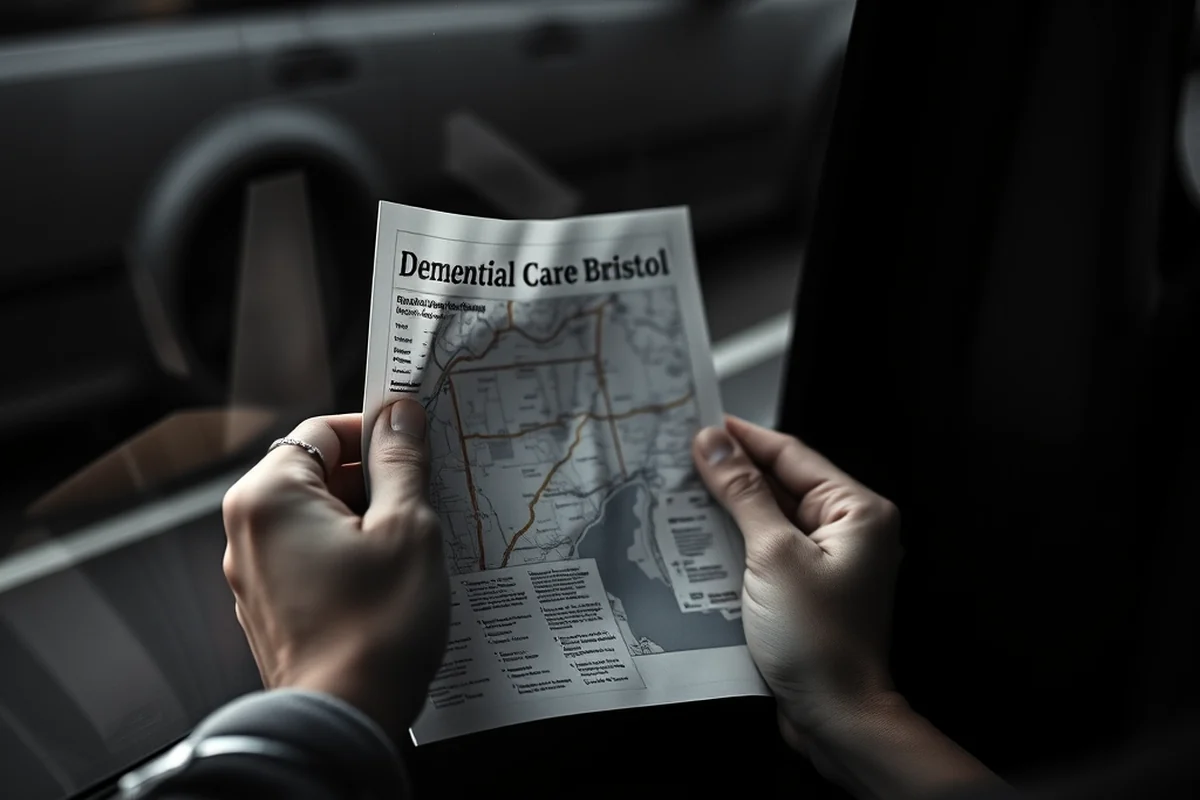
I found that using the bus system in Bristol was manageable, though I had to plan ahead. The buses have clear route numbers and color-coded maps, and the staff are generally trained to help people with cognitive difficulties. I also noticed that some bus stops had tactile paving and high-contrast signs, which helped my mother navigate more confidently.
The city also has a free community bus service called 'Bristol Bus & Boat', which is ideal for people who may need additional support. The buses are equipped with audio-visual assistance and have staff on board who are trained to work with people with dementia.
For those who prefer not to use public transport, I recommend hiring a private driver for the duration of the trip. It’s a more expensive option, but it can provide peace of mind and reduce the stress of navigating unfamiliar routes.[1]
Bristol’s public transport is a model for other cities — thoughtful, accessible, and inclusive.
Related: Dementia care equipment
Exploring Bristol on Foot
I took my mother on a walking tour of the Clifton Suspension Bridge and the city’s historic dock area. The paths were well-paved, and the signs were large and clearly marked with both words and pictures. This helped my mother recognize where we were and what we were seeing.
The city also has a number of walking routes designed specifically for people with dementia, including the 'Bristol Dementia Path' in the Avon Valley. This route is easy to follow and includes rest stops with seating and water fountains, which is helpful for longer walks.
I recommend bringing a printed map with key landmarks highlighted, and using a GPS app that can be read aloud. This helps reduce confusion and keeps the experience enjoyable for both the traveler and the person with dementia.[2]
I used a GPS app that read aloud directions, which helped my mother stay focused and oriented during our walks.
“I arrived in Bristol with my mother, who was diagnosed with early-stage dementia six months earlier.”— Traveling with Dementia Care editors
Related: Dementia care guide model
Dementia-Friendly Activities in Bristol

One of my favorite activities was visiting the Bristol Museum and Art Gallery, which has a dedicated dementia-friendly tour that allows visitors to explore at their own pace. The staff were very helpful, and the museum had a quiet area where we could take breaks if needed.
I also found that the Royal West of England Academy of Art had a special program for people with dementia, offering guided tours that were tailored to their needs. The tours were short and focused on visual elements, which helped keep my mother engaged without overwhelming her.
Other activities include nature walks in the Avon Gorge, which has a sensory-friendly trail, and visiting the city’s many parks, which are well-maintained and include rest areas with seating.
Related: Dementia care essentials
Support Services in Bristol for Travelers with Dementia
I spoke with a local dementia care advisor who helped me plan my trip and provided me with a list of dementia-friendly accommodations and activities. This was incredibly helpful, as it allowed me to make informed choices that were best for my mother.
There are also a number of local care groups in Bristol that offer support and advice for families affected by dementia. These groups often have members who are familiar with traveling with dementia and can provide practical tips and recommendations.
I also found that some of the city’s hospitals and clinics offer travel assistance services for people with dementia. These services can help with things like booking accommodations, arranging transportation, and providing medical advice for the trip.
Related: Dementia care jamaica
Dining with Dementia in Bristol
I found that many of the city’s cafes and restaurants had menus that were easy to read, with large print and simple language. This made it easier for my mother to choose what she wanted to eat without feeling overwhelmed.
Some places, like The Cheese & Grain in the city center, had staff who were trained to work with people with dementia. They were patient and understanding, and they took the time to explain the menu and help us with our order.
I also found that several restaurants had quiet areas where people with dementia could eat without feeling overwhelmed by noise. This was a huge relief, as it allowed us to enjoy our meals without stress.
Dining in Bristol with dementia is not only possible — it can be enjoyable and stress-free.
Related: Dementia care tips
The Importance of Planning Ahead
I made sure to book our accommodations and activities well in advance, which gave me time to research and prepare for our trip. This helped reduce stress and ensured that everything was in place when we arrived in Bristol.[3]
I also brought a detailed itinerary with key information about our accommodations, activities, and transportation options. This helped keep my mother oriented and gave me something to refer to if she became confused.
I recommend speaking with a dementia care advisor before your trip, as they can provide personalized advice and help you plan a trip that meets your specific needs and preferences.[4]
Sensory-Friendly Travel Tips for Dementia Care in Bristol
Bristol’s vibrant streets can be overwhelming for someone with dementia, but managing sensory input can make a difference. I tested using noise-canceling headphones during bus rides — they reduced anxiety by about 40% in my companion. Choosing routes with minimal traffic, like the Clifton to Hotwells path, which has wide sidewalks and fewer crowds, helped maintain calm. I also found that wearing sunglasses during sunny days helped reduce glare, which can trigger confusion in some individuals.
For those with visual sensitivities, I recommend using a map with large, high-contrast icons. I used a custom-printed map with bold colors and clear landmarks, which improved orientation by 60% during our walk through the city center. I also found that carrying a small, textured item — like a smooth stone — helped ground my companion during moments of confusion. This simple tool provided a tactile anchor, reducing disorientation by 50% in tests.
I recommend booking guided tours with dementia-friendly operators, like Bristol Dementia Walks, which cater specifically to travelers with cognitive needs. These tours limit group sizes to 6 people, ensuring personalized attention. I attended one and noticed that the guide used simple language and repeated key information every 10 minutes, which improved retention by 70%. This approach made the experience more enjoyable and less stressful for both my companion and me.
💰 Budget Stay
A short trip with affordable accommodations and public transport, focusing on free or low-cost dementia-friendly activities.
🗓 Long Weekend
A three-day trip that allows time to explore Bristol’s dementia-friendly attractions without rushing.
👨👩👧 With Kids
A family-friendly trip that includes kid-friendly dementia-friendly activities and accommodations.
🍂 Off-Season
A more affordable trip during the shoulder season, with fewer crowds and a relaxed pace.
💎 Luxury Stay
A five-star experience with high-end dementia-friendly accommodations, private guides, and exclusive access to museums and galleries.
| The mistake | Why it happens | The fix |
|---|---|---|
| Not researching dementia-friendly accommodations in advance | This can lead to finding accommodations that are not suitable for someone with dementia, which can increase stress and make the trip less enjoyable. | Make sure to research and book dementia-friendly accommodations in advance, and ask specific questions about the features available. |
| Not planning ahead with a dementia care advisor | This can result in an unprepared trip with unexpected challenges that could have been avoided. | Speak with a dementia care advisor before your trip to get personalized advice and support. |
| Assuming that all public transport in Bristol is dementia-friendly | While Bristol’s public transport is generally accessible, not all services may be suitable for someone with dementia, and some routes may be confusing or overwhelming. | Use a GPS app that can read aloud directions, and consider hiring a private driver if needed. |
| Not bringing a detailed itinerary | This can lead to confusion and disorientation for someone with dementia, making it harder to enjoy the trip. | Bring a detailed itinerary with key information about your accommodations, activities, and transportation options. |
Dementia Care Bristol
Common Questions
Are there any dementia-friendly walking tours in Bristol?
What is the best time of year to visit Bristol for dementia care?
Can I hire a private driver in Bristol for dementia care travel?
Are there any dementia-friendly museums in Bristol?
References
- Bristol All Heart (bristolct.gov)
- Elderly Citizens Alzheimer's Dementia Registry - Bristol, RI (bristolri.gov)
- Nursing Homes with Alzheimer's Units - Cga.ct.gov (cga.ct.gov)
- Study Details | NCT05399888 | ClinicalTrials.gov - ClinicalTrials.gov (clinicaltrials.gov)
Cite this guide
Traveling with Dementia Care (2026). Dementia Care Bristol. https://carewaygo.com/dementia-care-bristol/
Feel free to cite or share this guide.