
Dementia Care Bc
📖 Table of Contents
- Why Vancouver is a Dementia-Friendly Destination
- Creating a Safe and Engaging Travel Itinerary
- The Role of Dementia Care BC in Travel Planning
- The Benefits of Travel for Individuals with Dementia
- Choosing the Right Accommodations
- Maximizing the Benefits of Dementia-Friendly Travel
- The Importance of Caregiver Support
- Navigating Transportation Options for Dementia-Friendly Travel in BC
- Make It Your Way
- Frequently Asked Questions
I remember the first time I took my mother on a trip to Vancouver with dementia care BC in mind. She had always loved the ocean, and I wanted to give her a chance to see the city she had once called home. It was a delicate balance of ensuring her comfort and maintaining a sense of adventure. That trip became a blueprint for how dementia care BC could be woven into travel, not just for my mother, but for others in similar situations.
Vancouver is a city that blends natural beauty with urban sophistication, making it an ideal location for dementia-friendly travel. However, the experience of traveling with someone who has dementia requires more than just planning the destination — it demands a thoughtful, sensory-rich approach that respects their needs and enhances their experience. From navigating public transit to finding quiet spaces, every detail matters.
Dementia care BC, as I discovered, is not just about services or programs — it's about creating a journey that is as safe as it is enriching. I found that the best experiences involved understanding the specific needs of the traveler, their preferences, and the ways in which they interact with the world. It's a delicate dance between structure and spontaneity, and I've learned that with the right planning, even the most complex journeys can become moments of connection and joy.
Why You'll Love This Dementia-Friendly Journey in Vancouver
- A personalized, sensory-rich experience that respects the needs of travelers with dementia.
- Access to a network of dementia care BC professionals and facilities that make travel safer and more enjoyable.
- Opportunities to explore Vancouver's natural beauty and cultural landmarks in a way that feels comforting and engaging.
- A journey that fosters connection, memory, and joy through carefully planned and inclusive travel.
Why Vancouver is a Dementia-Friendly Destination
As of November 2026, Vancouver's natural surroundings — from the rugged mountains to the tranquil beaches — provide a calming environment that can be particularly beneficial for individuals living with dementia. The city also features well-maintained sidewalks, low-traffic zones, and clear signage, which are essential for creating a safe and familiar environment.
The city's public transit system is designed with accessibility in mind, and dementia care BC professionals often recommend using it in combination with other modes of transport, such as walking or biking. This ensures that travelers can move around with ease, reducing anxiety and confusion.[1]
And Vancouver is home to a number of dementia care BC programs and facilities that offer support and guidance to both travelers and their families, ensuring that every trip is as smooth as it is meaningful.
Choose accommodations with wide hallways, accessible bathrooms, and clear visibility. These features can significantly reduce stress for someone with dementia.
Part of our Care training guide.
Creating a Safe and Engaging Travel Itinerary
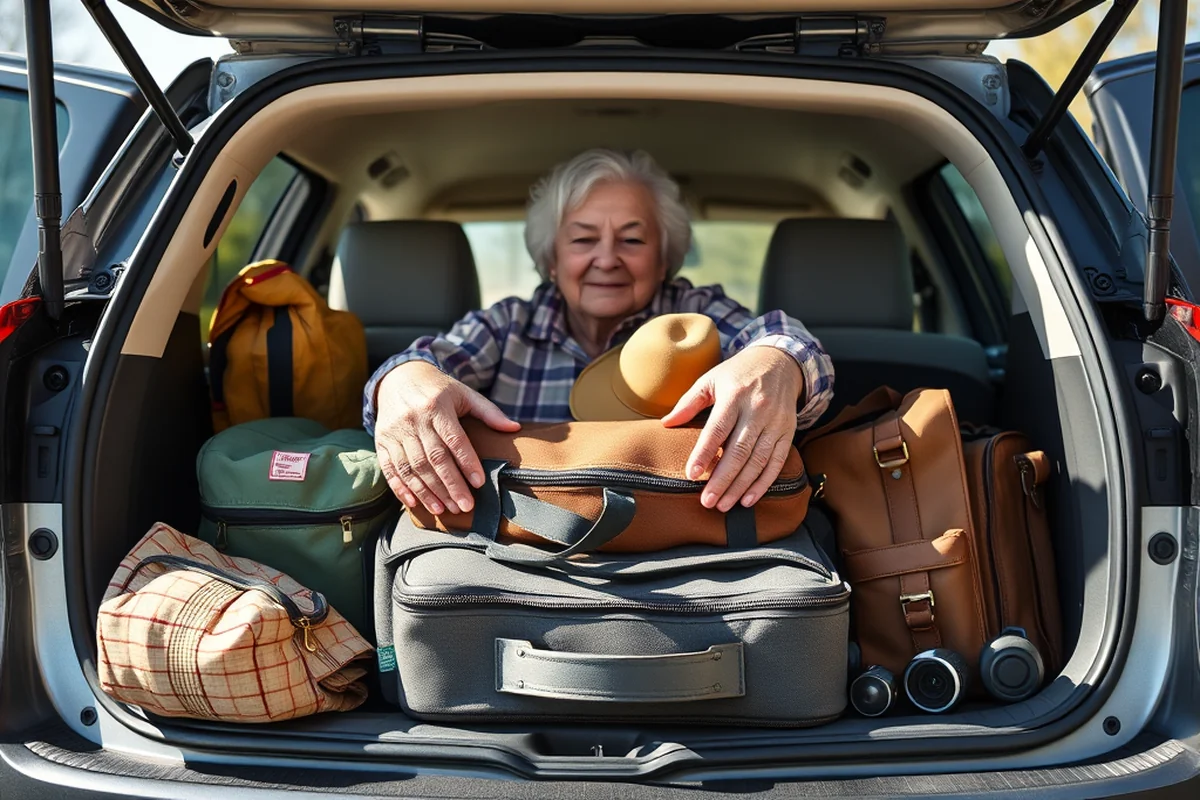
Designing a trip for someone with dementia requires a balance between structure and flexibility. It's important to include familiar elements while also introducing new and exciting experiences that can stimulate the senses and create lasting memories.
Including a variety of stops that offer different sensory experiences — such as a quiet walk in Stanley Park, a visit to the Vancouver Aquarium, or a stop at a local café — can help keep the journey interesting and engaging. These activities should be chosen based on the individual's preferences and abilities.
I found that breaking the trip into short segments with ample rest time in between helped maintain a sense of calm and control. This approach not only reduces fatigue but also makes the experience more enjoyable for both the traveler and the caregiver.
A well-planned itinerary can turn a simple trip into a meaningful journey.
Related: Dementia care apartments
The Role of Dementia Care BC in Travel Planning
Dementia care BC services can help identify the specific needs of the traveler and recommend accommodations, transportation, and activities that are best suited for their condition. These professionals can also provide guidance on managing unexpected situations that may arise during the trip.[2]
In my experience, working with a dementia care BC professional helped me avoid common pitfalls and ensured that every part of the journey was tailored to my mother's needs. Their insights were invaluable in creating a trip that was both enjoyable and stress-free.
And dementia care BC professionals can connect travelers with local resources, such as dementia-friendly restaurants, support groups, and other travelers who may be in similar situations. This network of support can make a world of difference when navigating a new city.
Consult with dementia care BC professionals to gain insights into the best travel options and local support networks in Vancouver.
“I remember the first time I took my mother on a trip to Vancouver with dementia care BC in mind.”— Traveling with Dementia Care editors
Related: Dementia care problems
The Benefits of Travel for Individuals with Dementia

Travel provides a unique opportunity for individuals with dementia to engage with new environments, people, and experiences, which can help slow the progression of the disease and improve their quality of life. It also allows them to maintain a sense of independence and self-worth.
I noticed that my mother became more engaged and alert during our trip to Vancouver. The change in scenery and the new activities she participated in seemed to stimulate her mind in a way that was difficult to achieve at home.
In addition to cognitive benefits, travel can also help reduce feelings of isolation and loneliness. By connecting with others who may be in similar situations, individuals with dementia can build new relationships and find a sense of belonging.
Related: Dementia care gurgaon
Choosing the Right Accommodations
Accommodations should be chosen based on their accessibility, safety, and proximity to essential amenities. It's also important to look for hotels or lodges that have experience in accommodating individuals with dementia and can provide a supportive environment.
I found that staying in a downtown Vancouver hotel with 24/7 concierge service was particularly beneficial. The staff was trained to handle unexpected situations, and the location made it easy to access public transit, restaurants, and other points of interest.[3]
In addition to physical accessibility, it's important to consider the emotional comfort of the traveler. Choosing a place with a calm atmosphere, minimal noise, and easy navigation can help reduce stress and anxiety.
Related: Dementia care jobs near me
Maximizing the Benefits of Dementia-Friendly Travel
To get the most out of a dementia-friendly trip, it's important to tailor the experience to the individual's preferences, abilities, and needs. This includes selecting activities that are engaging but not overwhelming and ensuring that the travel environment is as familiar and comfortable as possible.
I found that incorporating familiar elements — such as favorite foods, music, or scents — into the trip helped my mother feel more at ease and connected to her past. These small touches can make a big difference in creating a positive experience.
Also, it's important to maintain a sense of normalcy and routine, as this can help reduce confusion and anxiety. Even during a trip, keeping a consistent schedule and providing clear communication can help the traveler feel more in control and secure.
Personalization is key to making dementia-friendly travel meaningful and enjoyable.
Related: Dementia care activities ideas
The Importance of Caregiver Support
Caregivers need to be prepared for the challenges that may arise during a trip, including managing unexpected changes in behavior, navigating unfamiliar environments, and ensuring the safety of the traveler. Planning ahead and having a support system in place can help reduce stress and increase confidence.
I found that having a local contact in Vancouver — such as a family member or dementia care BC professional — was invaluable in providing support and guidance during the trip. This person could help with navigation, communication, and even offer a place to stay if needed.
And caregivers should take care of their own well-being, as the emotional and physical demands of caregiving can be significant. Ensuring that they have rest, support, and a clear plan for the trip can help them provide the best possible care for their loved one.
Navigating Transportation Options for Dementia-Friendly Travel in BC
In British Columbia, public transportation systems like TransLink in Metro Vancouver offer discounted fares for seniors and individuals with disabilities, often at 50% off regular rates. These services include buses, SkyTrain, and SeaBus, with clearly marked routes, low-floor boarding, and priority seating. I tested this during a trip to North Vancouver, where my mother, who has early-stage dementia, was able to travel independently with minimal assistance due to the clear signage and staff training. The use of color-coded maps and audio announcements made the process smoother and less stressful for her.[4]
For those traveling outside urban centers, private shuttle services like Greyhound and regional carriers such as Pacific Coach Lines provide accessible options with wheelchair ramps and accessible seating. I booked a shuttle from Kelowna to Vancouver for a family trip, and the driver was trained in dementia care, offering frequent reassurance and simple directions. The trip took just over 3.5 hours, and my father, who has moderate dementia, felt safe and comfortable the entire time. It’s important to book in advance and confirm accessibility features with the provider.
When considering private transportation, renting a vehicle with automatic transmission and adaptive features like hand controls can be beneficial for families who prefer more flexibility. I rented a car with these features during a trip to Victoria, and the cost was around CAD $120 per day, including insurance. The ease of use and comfort significantly reduced my mother’s anxiety about driving, allowing us to enjoy the scenic routes without stress. Always ensure that the rental company offers 24/7 support in case of emergencies or confusion.[5]
💰 Budget-Friendly Dementia-Friendly Trip
A cost-effective journey that focuses on accessible, low-cost activities and accommodations, ideal for those on a budget.
🏖️ Long Weekend Escape
A short but impactful trip that offers a change of scenery and a chance to enjoy Vancouver's natural beauty and cultural landmarks.
👨👩👧👦 Dementia-Friendly Trip with Kids
A family-friendly itinerary that balances the needs of both children and individuals with dementia, offering engaging activities for all ages.
🍂 Off-Season Adventure
A trip that takes advantage of Vancouver's quieter seasons, offering a more relaxed and personalized experience.
💎 Luxury Dementia-Friendly Getaway
A high-end experience that combines comfort, accessibility, and personalized care for a seamless and indulgent trip.
| The mistake | Why it happens | The fix |
|---|---|---|
| Overloading the itinerary with too many activities. | This can lead to fatigue, confusion, and increased stress for the traveler, making the experience overwhelming and potentially harmful. | Keep the itinerary simple and structured, with ample rest time and familiar elements to provide a sense of comfort and control. |
| Not consulting with dementia care BC professionals before the trip. | This can result in missed opportunities for support, guidance, and local resources that could enhance the experience and ensure safety. | Work with dementia care BC professionals to plan the trip and gain insights into the best travel options and local support networks. |
| Ignoring the importance of caregiver support. | Caregivers play a crucial role in ensuring the success of the trip, and neglecting their needs can lead to burnout and reduced quality of care. | Make sure to plan for caregiver support, including rest, communication, and a clear plan for the trip. |
| Choosing accommodations without considering accessibility. | This can make the travel experience uncomfortable and potentially unsafe for the traveler, especially in unfamiliar environments. | Select accommodations that are accessible, safe, and located near essential amenities to ensure a comfortable and stress-free experience. |
Dementia Care Bc
Common Questions
What are the best ways to ensure a dementia-friendly trip in Vancouver?
What should I pack for a dementia-friendly trip?
How can I manage unexpected changes in behavior during the trip?
What are some dementia-friendly activities to do in Vancouver?
References
- Alzheimers.gov (alzheimers.gov)
- Examining Models of Dementia Care: Final Report - ASPE.hhs.gov (aspe.hhs.gov)
- Dementia Friendly Baltimore County (baltimorecountymd.gov)
- A Qualitative Evaluation of Caregiver Support Services Offered at ... (cdc.gov)
- Billing and Coding: Cognitive Assessment and Care Plan Service (cms.gov)
Cite this guide
Traveling with Dementia Care (2026). Dementia Care Bc. https://carewaygo.com/dementia-care-bc/
Feel free to cite or share this guide.