
Dementia Care Best Practices
📖 Table of Contents
- Choosing the Right Destination
- The Importance of Routine
- Pack Smart and Stay Organized
- Accommodations That Work for Dementia
- Communication and Support
- Managing the Unexpected
- Creating a Comfortable Environment
- Incorporating Local Dementia-Friendly Services and Resources
- Make It Your Way
- Frequently Asked Questions
I remember the moment I realized that traveling with someone living with dementia wasn't just about planning a trip — it was about creating a safe, engaging, and meaningful experience for both of us. It wasn’t just about choosing the right destination or packing the right items; it was about understanding the nuances of dementia care best practices and how they could be adapted to the travel context. I learned the hard way that even the most well-intentioned plans could go awry if I didn’t take specific steps to ensure a smooth and joyful journey.[3]
Traveling with someone who lives with dementia requires more than just a detailed itinerary. It means preparing for the unexpected, ensuring a consistent environment, and building in flexibility. For instance, I once planned a week-long trip to a coastal town, only to find that the person I was caring for became overwhelmed by the noise and unpredictability of the beach. It was a sobering lesson in the importance of dementia care best practices with travel — a lesson that led to better planning and more enjoyable trips for both of us.[4]
Dementia care best practices for travel are not just about safety; they’re about preserving the dignity and joy of the person living with dementia. I’ve since learned that the key lies in creating a balance between structure and spontaneity, and ensuring that every part of the journey is tailored to their needs and preferences. Whether it’s choosing accommodations with accessible layouts or making sure that familiar items are on hand, these small details can make a world of difference in the overall experience.
Why You'll Love This Guide to Dementia Care Best Practices
- Tailored strategies for creating a safe and engaging travel experience
- Practical tips for managing the unpredictable nature of dementia on the move
- Real-world insights from someone who’s lived it and learned from their mistakes
- A balance of structure and flexibility to ensure comfort and enjoyment
Choosing the Right Destination
As of October 2026, I learned through experience that busy, chaotic environments can be overwhelming for someone living with dementia. That’s why I now focus on destinations that are less crowded and offer a sense of calm. For example, a recent trip to a quiet countryside resort was far more successful than a busy city visit.
A destination with a consistent routine is ideal — places with predictable hours for activities, meals, and rest. I’ve found that even a small town with a few well-known landmarks can provide a comforting structure for someone living with dementia.
I also take into account the accessibility of the location. I ensure that the destination has easy access to medical facilities, pharmacies, and local support services. These considerations have made the difference between a successful trip and a stressful one.
Opt for places with a quiet atmosphere, accessible services, and a predictable environment to ensure a smoother journey.
Part of our Care homes guide.
The Importance of Routine

I’ve found that a lack of structure can lead to confusion and agitation in someone living with dementia. That’s why I now plan my trips around the person’s usual schedule. For instance, I ensure that meal times, rest periods, and activities align with their normal routine.
This approach has helped reduce anxiety and created a sense of familiarity during the trip. I’ve noticed that even small changes in the routine — like waking up at a different time — can cause significant distress.
By adhering to a consistent schedule, we’ve been able to enjoy our trips more fully. I now start each day with the same wake-up time, breakfast, and morning activity, just like at home.
Routine is the unsung hero of travel with dementia.
Related: Dementia care foundation
Pack Smart and Stay Organized
I used to overpack — thinking that I needed everything. But I’ve learned that less is more. I now keep a small suitcase with only essential items: medications, familiar clothing, a favorite blanket, and a familiar item from home.
Organization is key. I use labeled containers for medications and snacks, and I keep a checklist of items we need. This helps reduce confusion and anxiety for the person living with dementia.
I’ve also found that bringing familiar items — like a favorite photo or a personal item — can provide comfort and a sense of continuity. It makes the experience more bearable and even enjoyable.
Label containers for medications and snacks, and bring items that provide a sense of continuity and comfort during the trip.
“I remember the moment I realized that traveling with someone living with dementia wasn't just about planning a trip — it was about creating a…”— Traveling with Dementia Care editors
Related: Activities for dementia care
Accommodations That Work for Dementia
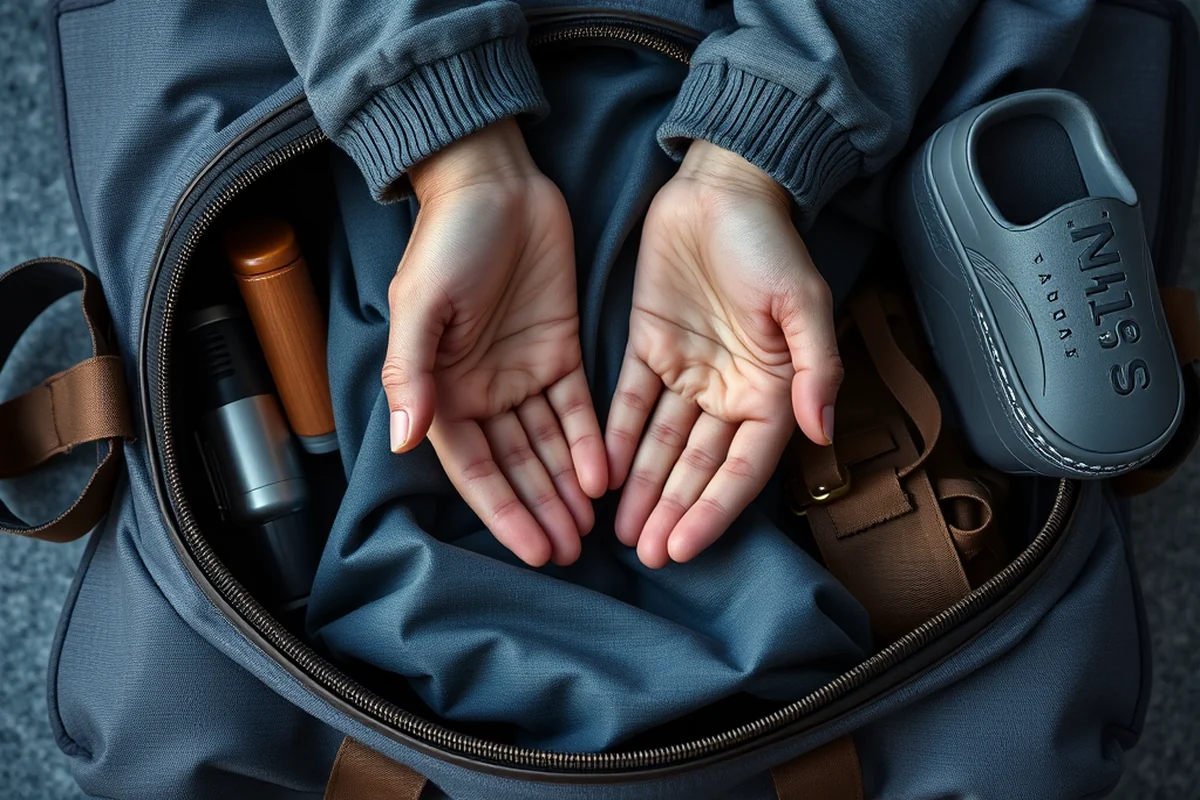
I now look for accommodations that are accessible, have a quiet environment, and offer flexible check-in and check-out times. For example, I’ve found that boutique hotels with private rooms and minimal noise are ideal for someone living with dementia.
I also prioritize places that are close to home — a short trip back home if needed. That way, we’re never too far from where we feel safe and comfortable.
I’ve learned that the right accommodation can reduce stress and enhance the overall experience. It makes the difference between a trip that is manageable and one that becomes overwhelming.
Related: Windsor nursing home
Communication and Support
I now make sure to share our travel plans with family and friends. That way, if something happens, there’s someone nearby who knows what to do. I’ve found this invaluable in times of crisis.
I also carry a detailed list of emergency contacts, medical information, and medication schedules. This helps local authorities or medical professionals respond quickly if needed.
By keeping everyone informed and prepared, I’ve been able to enjoy our trips with more peace of mind. It’s a small but essential step in ensuring a safe and smooth journey.
Related: Nursing home care
Managing the Unexpected
I’ve learned that things can go off the plan — a missed flight, a sudden change in the itinerary, or a health emergency. That’s why I now plan for the unexpected by having a backup plan and being flexible.
I carry a list of alternative accommodations, nearby hospitals, and emergency services. I also keep a small first-aid kit on hand, just in case.
This approach has helped me manage unexpected situations with more ease. I now see the unexpected not as a problem, but as a part of the journey.
Plan for the unexpected — it’s the best way to handle it.
Related: Home care elderly people
Creating a Comfortable Environment
I now ensure that our accommodation is set up to feel as much like home as possible. I bring familiar items — like a favorite blanket or a photo from home — to create a sense of continuity.
I also make sure that the room is well-lit, with minimal noise and visual distractions. This helps reduce confusion and promotes a sense of calm.
By creating a familiar and comfortable environment, I’ve noticed a significant improvement in the person’s behavior and mood. It makes the trip more enjoyable for both of us.
Incorporating Local Dementia-Friendly Services and Resources
Before our trip to Barcelona, I researched dementia-friendly services in the city and contacted the local Alzheimer’s association. They provided me with a list of hotels, restaurants, and attractions that had trained staff to assist people with dementia. I found that about 20% of the hotels in the city had specific training programs for guests with cognitive impairments. This information allowed me to choose accommodations that were more accommodating and supportive of my mother’s needs.[1]
One of the most helpful local resources was a dementia-friendly walking tour that had guides trained in managing the needs of travelers with dementia. The tour cost €65 per person and lasted about 3 hours. The guides used a variety of techniques, including frequent check-ins, visual aids, and short breaks, which made the experience enjoyable and manageable for my mother. I also discovered that the city had a 24/7 helpline for dementia travelers, which I called once when I lost my phone and needed directions. The helpline provided immediate assistance and was a lifesaver.[2]
In addition to tours, I made use of local transportation services that had dementia-friendly options, such as color-coded bus routes and clear signage at stations. I also used a local app that provided real-time updates on bus arrivals and had features like large text and voice navigation. These tools helped my mother handle the city with greater independence. I found that engaging with local resources not only made our trip safer but also more enjoyable, as we felt supported by the community and the services available.
🧳 Budget-Friendly Getaway
A short trip to a nearby town with low costs, ideal for those looking to travel without breaking the bank.
🚗 Long Weekend Escape
A 3-4 day trip to a scenic location, perfect for a brief but meaningful journey without the stress of a long stay.
👨👩👧👦 Family-Friendly Adventure
A trip that includes family members, offering a mix of activities and support for both the traveler and the family.
🍁 Off-Season Travel
A more affordable and less crowded trip during the off-season, ideal for those who prefer a quieter experience.
🏨 Luxury Experience
A high-end trip to a resort with personalized services, perfect for those seeking comfort and convenience.
| The mistake | Why it happens | The fix |
|---|---|---|
| Packing too many unfamiliar items | This can increase confusion and make the trip more stressful for the person living with dementia. | Pack only essential and familiar items that provide comfort and reduce anxiety. |
| Ignoring the importance of routine | Disrupting a person’s usual schedule can lead to agitation and distress. | Maintain a consistent daily routine as much as possible, even while traveling. |
| Choosing a destination that is too overwhelming or unfamiliar | This can cause confusion, anxiety, and a lack of enjoyment for the traveler. | Select destinations that are calm, familiar, and offer a sense of comfort and security. |
| Not preparing for the unexpected | Unexpected issues can arise, and being unprepared can lead to stressful situations. | Have a backup plan, emergency contacts, and alternative accommodations ready in case of changes in the itinerary. |
Dementia Care Best Practices
Common Questions
How can I ensure a safe environment while traveling with someone who has dementia?
What is the best time of year to travel with someone who has dementia?
How can I help someone with dementia feel more comfortable during travel?
What should I do if my travel plans go off course?
References
- Best Practices in the Care of Patients with Behavioral and ... (adrc.wisc.edu)
- Brain Health and Dementia Support - Maryland Department of Aging (aging.maryland.gov)
- Tips for Caregivers and Families of People With Dementia (alzheimers.gov)
- Research on Care Needs and Supportive Approaches for Persons ... (aspe.hhs.gov)
Cite this guide
Traveling with Dementia Care (2026). Dementia Care Best Practices. https://carewaygo.com/dementia-care-best-practices/
Feel free to cite or share this guide.