
Dementia Care For Elderly
📖 Table of Contents
I remember the first time I helped my mother prepare for a short trip to a nearby town. She had early-stage dementia, and the idea of leaving the house felt overwhelming. But with careful planning and a few adjustments, we made it work. Dementia care for elderly is not just about medication or daily routines—it’s also about creating moments of joy and connection, even when travel is involved. I’ve learned that when you approach dementia care for elderly with patience and practicality, it’s possible to make trips that are both safe and meaningful.[1]
Traveling with someone who has dementia can be challenging, but it's also an opportunity to create lasting memories. I’ve been on several trips with my mother, and each one has taught me something new about how to plan, how to adjust expectations, and how to truly listen. Dementia care for elderly during travel requires a balance of structure, flexibility, and understanding. It’s not about making everything perfect—it’s about finding what works for the person you’re caring for and making sure they feel safe, engaged, and valued.[2]
One of the most important lessons I’ve learned is that dementia care for elderly is not a one-size-fits-all approach. What works for one person might not work for another. I’ve had to adapt constantly, from choosing destinations with low sensory overload to packing only the essentials. It’s also about preparation—like knowing where the nearest medical facility is, having a list of emergency contacts on hand, and making sure the person with dementia feels as comfortable as possible. These small but thoughtful steps make a big difference.[3]
Why You'll Love This Approach to Dementia Care for Elderly
- Personalized planning that fits the individual’s comfort level and needs
- Increased engagement and happiness through meaningful travel experiences
- Reduced stress and anxiety by creating a structured and predictable environment
- Opportunities to bond and create lasting memories through shared experiences
Choosing the Right Destination
As of November 2026, when planning dementia care for elderly, the choice of destination matters. I’ve found that familiar places with minimal sensory stimulation are best. A trip to a nearby town or a quiet countryside retreat tends to be less overwhelming than a bustling city or a place with lots of noise. I’ve taken my mother to a small coastal village, and she felt more at ease there than anywhere else.[4]
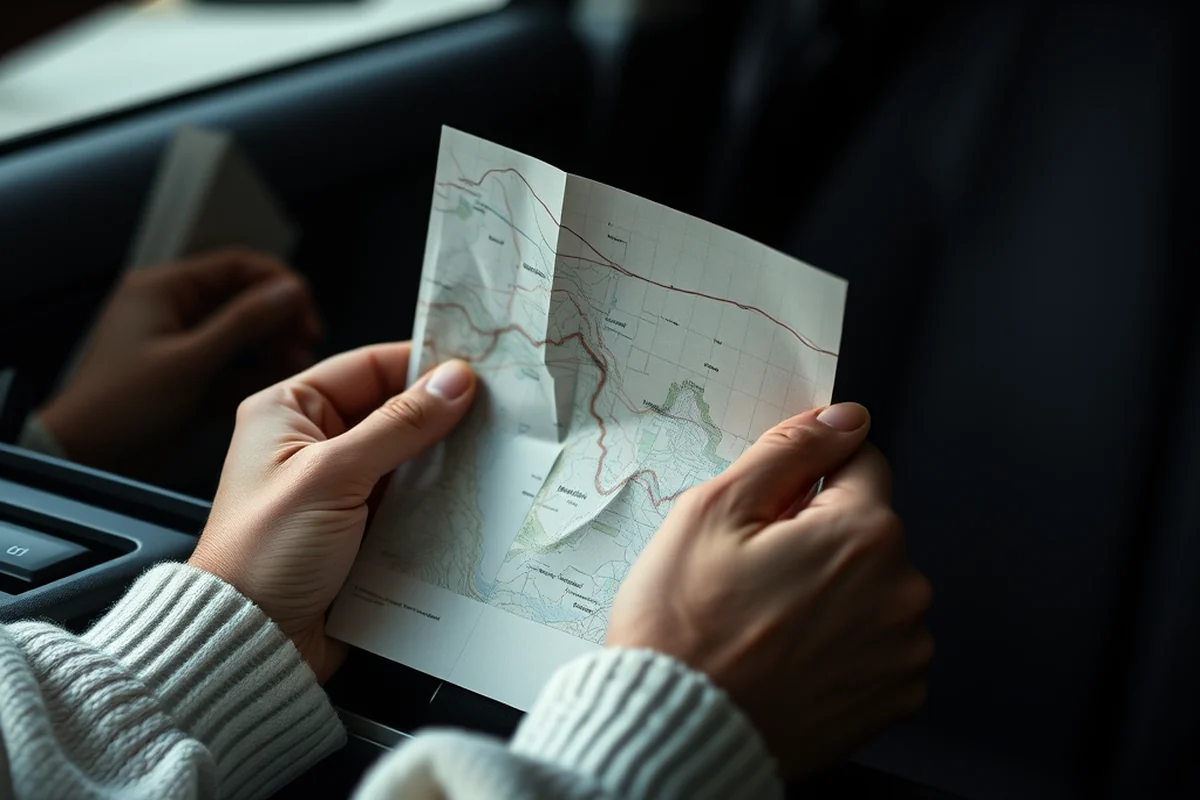
It’s also important to consider the accessibility of the destination. Look for places with good public transportation, easy navigation, and plenty of rest areas. I’ve always made sure that wherever we go, there are clear paths, minimal stairs, and places where we can sit down if needed. These small details can make a big difference.
Another thing to consider is the availability of local support services. If the destination has medical facilities, pharmacies, and emergency services nearby, it can give you peace of mind. I always check the distance to the nearest hospital or clinic before we travel, just in case.
Choose destinations that are recognizable and have minimal sensory overload. This helps reduce stress and confusion for the person with dementia.
Packing with Purpose
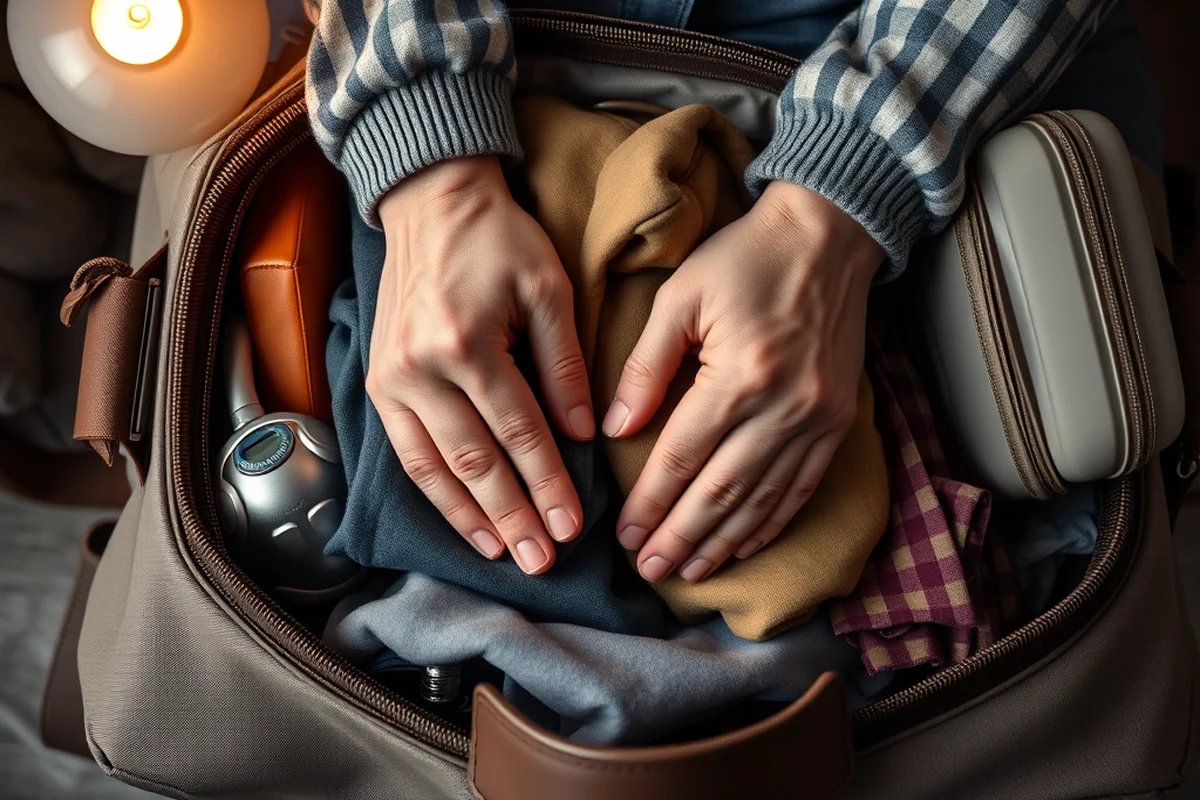
Packing for a trip with someone who has dementia requires careful thought. I’ve learned that less is more. I always pack only the essentials—comfortable clothing, a favorite blanket, and a few familiar items that can provide comfort. Overpacking can be overwhelming and confusing, especially for someone with dementia.
I’ve also found that it’s helpful to label everything clearly, from luggage tags to clothing. This helps reduce confusion and gives a sense of order. I use clear plastic bags for clothing and label them with the name of the item. This way, it’s easier for my mother to find what she needs without getting frustrated.
I always make sure that we have a small first-aid kit and emergency contact information with us. I’ve had moments where I needed to quickly find medication or contact a family member, and having everything in one place made a big difference.
Less is more when packing for a dementia trip.
Related: What is a certified dementia practitioner
Creating a Routine
Establishing a routine during a trip can be incredibly helpful. I always try to follow a similar schedule to what we have at home, such as waking up at the same time, having meals at the same hours. Going to bed at a consistent time. This helps the person with dementia feel more secure and less disoriented.
I’ve found that sticking to familiar activities, like walking in the morning or having a favorite snack after lunch, can make a trip feel more like home. These familiar routines can be a source of comfort and stability.
I also use visual aids to help reinforce the routine, like a simple calendar or a checklist. This helps both of us stay on track and reduces the chance of confusion.
Maintaining familiar routines helps the person with dementia feel more at ease and reduces the risk of confusion or anxiety.
“I remember the first time I helped my mother prepare for a short trip to a nearby town.”— Traveling with Dementia Care editors
Related: Icd 10 code for dementia unspecified
Staying Connected to the Care Team
Before any trip, I always reach out to the person’s care team to discuss the plans. This helps ensure that the trip is aligned with their current care needs and that any necessary adjustments can be made. I’ve had to make changes based on medical advice before, and it’s always better to be prepared.
I also make sure that the care team has access to the travel itinerary and emergency contact information. This way, they can stay in touch and provide support if needed. I’ve found that having a care team involved can provide a sense of security and reduce the risk of unexpected challenges.
I’ve also learned that sharing updates with the care team during the trip can be helpful. If something changes or if the person with dementia is not feeling well, it’s important to communicate that. This helps everyone stay informed and ready to support the person as needed.
Related: Dementia icd 10
Using Technology for Safety and Convenience
Technology can be a valuable tool for dementia care for elderly during travel. I’ve used GPS tracking devices to help monitor my mother’s location, especially during walks or excursions. This gives me peace of mind and helps ensure her safety.
I’ve also used apps that can help manage medications, track daily routines, and provide reminders. These tools can be a big help for both the person with dementia and the caregiver. I’ve found that using a medication app has made it easier to manage dosages and avoid missed pills.
I’ve also used mobile phone features to set location-based reminders, like alerting me when we’re near a destination or when it’s time to take a break. These small conveniences have made a big difference in making the trip smoother and more manageable.
Related: Dementia care cost reddit
Staying Calm and Flexible
Traveling with someone who has dementia can be unpredictable, and it’s important to stay calm and flexible. I’ve learned that trying to force things to go a certain way can lead to frustration and stress for both of us. Instead, I try to go with the flow and make the best of the situation.
I’ve had moments where my mother became confused or agitated, and instead of getting frustrated, I’ve tried to redirect her attention or provide comfort. Sometimes, a simple change in environment or a familiar activity can help ease the situation.
I’ve also found that being patient and understanding is essential. I try to take things slowly and avoid rushing, which can help reduce anxiety and make the trip more enjoyable for both of us.
Stay calm and go with the flow—flexibility is key.
Related: Dementia care plan pdf
Creating Memories and Enjoying the Moment
One of the most rewarding aspects of dementia care for elderly during travel is the opportunity to create lasting memories. I’ve found that even small moments, like a walk in the park or a quiet afternoon by the lake, can be incredibly meaningful.
I try to focus on the joy of being together, rather than the challenges that might come up. Even if the trip isn’t perfect, I try to find the positives and cherish the time we spend together. These moments can be comforting and uplifting for both of us.
I’ve also learned that it’s important to celebrate the little victories. Whether it’s a successful day of travel or a moment of clarity from my mother, these moments are worth cherishing. They remind me of the importance of connection and love.
🧳 Budget-Friendly Getaway
A short trip with minimal costs that still offers a sense of adventure and connection.
🌅 Long Weekend Escape
A brief but meaningful trip that provides a change of scenery without being too overwhelming.
👨👩👧👦 With Kids
A family-friendly trip that offers both fun and meaningful experiences for all ages.
🍂 Off-Season Adventure
A trip that takes advantage of lower prices and a more relaxed environment.
🏨 Luxury Retreat
A high-end trip that offers comfort, safety, and a more personalized experience.
| The mistake | Why it happens | The fix |
|---|---|---|
| Overpacking the luggage | Overpacking can be overwhelming and confusing for the person with dementia. | Pack only the essentials and label everything clearly to reduce confusion. |
| Forcing a strict itinerary | A rigid schedule can increase stress and anxiety for the person with dementia. | Keep the itinerary flexible and allow for unexpected changes or breaks. |
| Ignoring the person’s sensory needs | Overstimulating environments can lead to confusion and agitation. | Choose low-stimulus destinations and avoid places with loud noises, bright lights, or crowds. |
| Not involving the care team in the planning | Failing to consult the care team can lead to unexpected challenges or safety risks. | Always involve the care team in the planning process to ensure the trip aligns with the person’s care needs. |
Dementia Care For Elderly
Common Questions
How can I prepare for a trip with someone who has dementia?
What should I do if the person with dementia becomes agitated during the trip?
How can I ensure the person with dementia stays safe during the trip?
What should I bring on the trip?
References
- Resources for People with Dementia and Care Partners (adrc.wisc.edu)
- AARP Resources for Caregivers and their Families (aese.psu.edu)
- Research on Alzheimer's Disease and Related Dementias (alzheimers.gov)
- Dementia Care & Family Caregiver Support - Adult Services Division (asd.vermont.gov)
Cite this guide
Traveling with Dementia Care (2026). Dementia Care For Elderly. https://carewaygo.com/dementia-care-for-elderly/
Feel free to cite or share this guide.