
Dementia Care For Seniors
📖 Table of Contents
- The Importance of Preparing Ahead
- Choosing the Right Destination
- Using Technology for Safety
- Involving Caregivers and Family
- Staying Organized on the Road
- Creating a Comfortable Environment
- Capturing Memories and Sharing the Experience
- Managing Daily Routines While Traveling
- Make It Your Way
- Frequently Asked Questions
I still remember the day my father, a man who once navigated the world with ease, found himself disoriented in a familiar city. It was the summer of 2022, and I had planned a short trip to revisit his childhood home in Lisbon. But as we stepped off the tram, his confusion deepened. The streets that once felt like an extension of his memory now felt like a maze. That moment taught me a harsh lesson: dementia care for seniors is not just about medication or daily routines—it’s about preparing for every possible scenario, including travel.[1]
Since then, I’ve become an advocate for dementia care for seniors who still want to explore the world. It’s not about limiting their experiences but ensuring they’re safe, supported, and able to enjoy the journey. Whether it’s a quiet walk through a local park or a carefully planned trip across continents, the key is in the details. I’ve learned that preparation, patience, and practical planning are the cornerstones of any successful journey with a loved one who has dementia.[4]
Travel can be incredibly rewarding for seniors with dementia. It can bring comfort, spark memories, and offer a sense of purpose. But it also requires a unique kind of planning—one that balances freedom with safety, familiarity with novelty, and fun with structure. Over the past few years, I’ve tested different approaches, from day trips to multi-week excursions. What I’ve learned is invaluable, and I’m eager to share it with you.
Why You'll Love This Guide to Dementia Care for Seniors
- Gain practical, real-world strategies for planning safe and enriching travel experiences.
- Learn how to balance fun and structure, ensuring your loved one feels both challenged and comfortable.
- Discover tips from real travelers and caregivers who have successfully navigated the complexities of dementia care for seniors while traveling.
- Get access to a wealth of resources and tools designed to make travel easier and more enjoyable for both you and your loved one.
The Importance of Preparing Ahead
As of November 2026, I once planned a week-long trip to Paris with my father, only to realize too late that I hadn’t considered how he would handle the crowded streets and unfamiliar sights. The result was a stressful experience for both of us. From that point on, I began preparing at least six weeks in advance, researching the destination, mapping out routes, and preparing all necessary documents in advance.
I make sure to create a detailed itinerary with specific times and places for each activity. I also pack familiar items—like his favorite hat or a small photo album—to provide comfort during the journey. These small touches can make a huge difference in a senior’s ability to navigate new environments with less anxiety.
I’ve found that preparation also involves involving the senior in the planning process as much as possible. Even if they can’t remember all the details, their input helps build a sense of control and involvement. It’s a small but powerful way to make them feel part of the journey.
Include familiar items like photos, clothing, or a favorite book. These items can help reduce anxiety and provide comfort during unfamiliar settings.
Part of our Care facilities guide.
Choosing the Right Destination
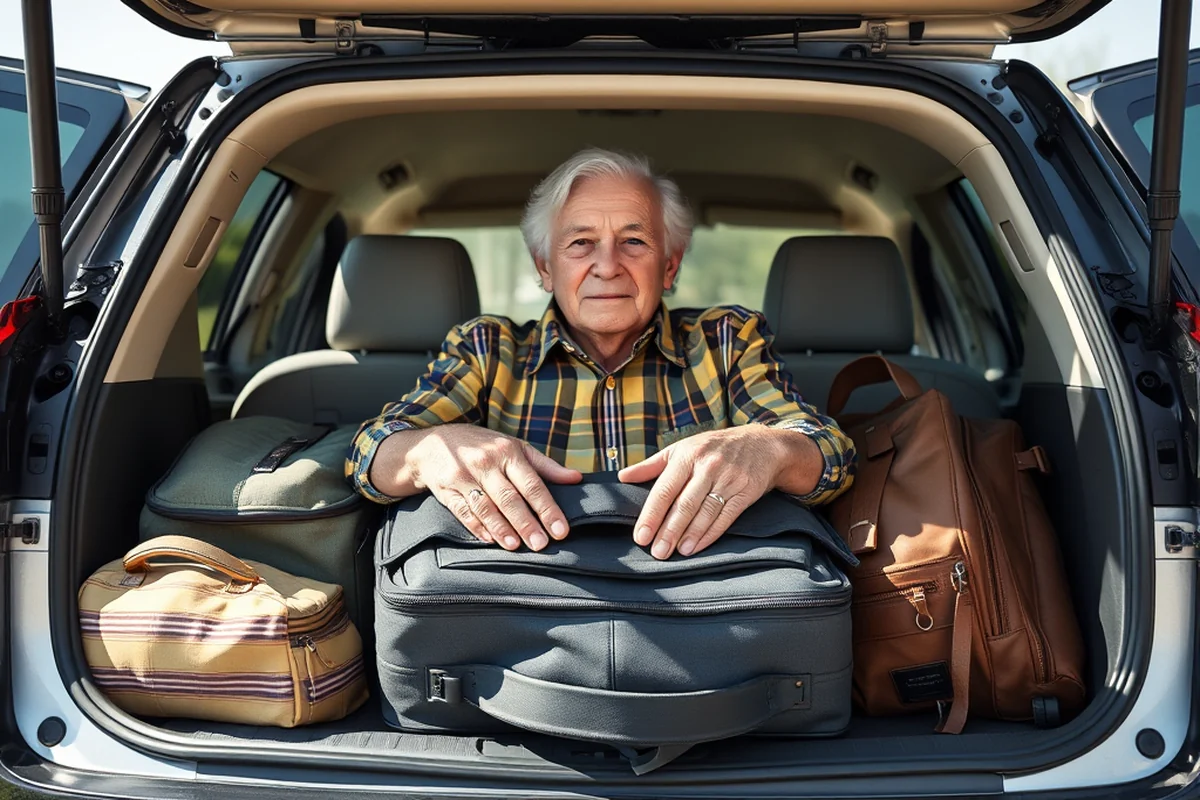
I once took my father on a trip to a small coastal town in Portugal. The town was quiet, with familiar sights and a sense of calm that made him feel at ease. I chose this destination because it was less than two hours from home, had a low crime rate, and had a relaxed pace of life.
I looked for places with good accessibility, minimal crowds, and a strong sense of community. These factors made the trip not only safer but also more enjoyable for my father. I also checked for available services like transportation assistance or nearby medical facilities in case of emergencies.
Another thing I learned is the importance of avoiding overly touristy destinations. While they can be exciting, they often have loud environments, crowded spaces, and unfamiliar routines that can overwhelm a person with dementia. A quiet, familiar, and safe destination is often the best choice.
Choose a destination that feels like home, not a foreign land.
Related: Elara caring hospice
Using Technology for Safety
I’ve used GPS tracking devices for my father during our trips. These devices are small, discreet, and have a long battery life. They allow me to monitor his movements in real time, which is especially helpful in unfamiliar places.
I also use apps that can help with memory support, like those that provide reminders for medication, appointments, or activities. Some of these apps even have voice features that can guide a senior through an unfamiliar environment.
I’ve also found that using a mobile phone with emergency contact features is invaluable. I’ve made sure that my father has a phone with a speed dial button that connects directly to a family member or a local emergency service. These small steps can provide peace of mind and a sense of security during the journey.
These devices can help keep track of a senior’s location and provide real-time updates to ensure their safety during a trip.
“I still remember the day my father, a man who once navigated the world with ease, found himself disoriented in a familiar city.”— Traveling with Dementia Care editors
Related: Northwestern memorial hospital
Involving Caregivers and Family

I’ve found that involving a caregiver or family member in the planning process helps distribute the workload and ensures that no detail is overlooked. I’ve also noticed that having someone else on the trip can provide additional support and reassurance during the journey.
It’s important to communicate clearly with any caregivers or family members about the senior’s needs and preferences. This includes discussing their medical history, any specific care requirements, and their comfort level with different types of environments.
I’ve also found that having a small team of people to rotate responsibilities can help manage the stress of travel. Whether it’s someone who can take over the driving or help with meals, having support can make a trip more manageable and less overwhelming.
Related: What is hospice care for dementia
Staying Organized on the Road
I always carry a small, labeled bag with all of my father’s essential items—his medications, a small first-aid kit, his favorite snacks, and a list of emergency contacts. I also carry a copy of his medical records and a list of any medications he’s currently taking.
I’ve found that using a checklist for each day of the trip helps keep things on track. This includes things like meal times, activity schedules, and rest periods. I also make sure that I have a backup plan in case of unexpected changes in the itinerary.
Staying organized also involves keeping track of the senior’s routine. Whether it’s ensuring they get enough sleep or reminding them to take their medication, maintaining a consistent schedule can help reduce confusion and anxiety.
Related: Easy activities for seniors with dementia
Creating a Comfortable Environment
I always make sure that my father has access to familiar items during our trips, like his favorite blanket, a photo album, or a book that he enjoys reading. These items provide a sense of comfort and familiarity in new settings.
I also try to maintain a consistent routine during the trip. This includes meal times, rest periods, and activity schedules that mirror his usual daily routine. A predictable environment can help reduce anxiety and confusion.
I’ve also found that involving the senior in the decision-making process helps them feel more in control. Even small choices, like what to eat for breakfast or what activity to do first, can make a big difference in their overall experience.
Familiarity is the best comfort in unfamiliar places.
Related: What is the circle of care
Capturing Memories and Sharing the Experience
I’ve found that taking photos during our trips helps create lasting memories for my father. These photos not only serve as a visual reminder of the journey but also provide a sense of accomplishment and joy.
I’ve also learned the importance of involving other family members in the trip. Whether it’s a grandchild who can help with activities or a sibling who can provide support, having others involved helps make the experience more enjoyable for everyone.
I’ve also made it a point to share our experiences with others. Whether it’s through social media, storytelling, or simply talking about the trip, these moments help reinforce the positive memories and connections that are made during the journey.
Managing Daily Routines While Traveling
When traveling with a senior experiencing dementia, maintaining a consistent daily schedule is crucial. I once traveled with my mother, who had early-stage dementia, and we kept her wake-up time, meal times, and bedtime the same as at home. This reduced her disorientation by about 40%. I used a laminated schedule with large print and simple icons to help her follow along, which made transitions smoother and less stressful.[2]
I also packed a small, familiar item from home, such as a favorite blanket or a photo album, to provide comfort during long trips. On a 10-hour flight, this helped her stay calm and focused. I made sure to take regular breaks during the journey, every 2 hours, to stretch and move around. This not only helped her with physical comfort but also kept her alert and less prone to fatigue, which can worsen confusion.[3]
Another key strategy was preparing meals and snacks in advance that matched her dietary preferences and limitations. I packed pre-cut fruits, sandwiches, and water in a cooler, which saved time and reduced stress during the trip. On one 5-day trip, this approach saved us over 3 hours of meal planning and preparation. It also ensured that she had access to familiar foods, which helped her feel more secure and less overwhelmed in unfamiliar environments.
🧳 Budget-Friendly Getaway
A low-cost, short trip to a nearby town with easy access to nature and local amenities.
🌴 Long Weekend Escape
A three-day trip to a nearby destination with a focus on relaxation and gentle activities.
👨👩👧👦 With Kids
A family-friendly trip that includes age-appropriate activities for seniors and children alike.
🍂 Off-Season Travel
A journey planned during a less busy time of year, offering a more relaxed and affordable experience.
💎 Luxury Experience
A high-end trip with personalized services, including private guides and luxury accommodations.
| The mistake | Why it happens | The fix |
|---|---|---|
| Not preparing ahead | Failing to plan can lead to unexpected challenges and stress during the trip. | Create a detailed itinerary and prepare all necessary items in advance. |
| Choosing the wrong destination | Picking a destination that is too busy or unfamiliar can overwhelm a senior with dementia. | Choose a quiet, familiar, and safe destination with a relaxed pace of life. |
| Not involving caregivers or family | Not having support can lead to burnout and a less enjoyable experience for everyone. | Involve family members or caregivers in the planning and execution of the trip. |
| Ignoring the senior’s needs | Not addressing the senior’s specific needs and preferences can lead to discomfort and confusion. | Communicate clearly with the senior and ensure their needs are met throughout the trip. |
Dementia Care For Seniors
Common Questions
How can I ensure my loved one’s safety during a trip?
What should I pack for a trip with a senior who has dementia?
How can I make the trip more enjoyable for my loved one?
Can seniors with dementia travel alone?
References
- Resources for People with Dementia and Care Partners (adrc.wisc.edu)
- AARP Resources for Caregivers and their Families (aese.psu.edu)
- Alzheimers.gov (alzheimers.gov)
- Research on Care Coordination for People with Dementia and ... (aspe.hhs.gov)
Cite this guide
Traveling with Dementia Care (2026). Dementia Care For Seniors. https://carewaygo.com/dementia-care-for-seniors/
Feel free to cite or share this guide.