
Dementia Care In Hospital
📖 Table of Contents
- The Importance of Specialized Dementia Units
- Navigating the Hospital with a Dementia Patient
- The Role of Family in Dementia Care in Hospital
- The Benefits of Hospital-Based Memory Care Programs
- The Importance of Communication in Dementia Care
- The Impact of Sensory Environments on Dementia Patients
- The Role of Technology in Dementia Care in Hospital
- Make It Your Way
- Frequently Asked Questions
I remember the first time I walked into a hospital with my father, who was diagnosed with early-stage dementia. The sterile scent of antiseptic, the echo of distant voices, and the flickering lights above all felt foreign and disorienting — not just for him, but for me. Dementia care in hospital is not a simple process. It's a delicate balance of medical expertise, emotional support, and a structured environment that feels safe for someone who is often lost in their own mind. As a traveler who has experienced the chaos of unfamiliar places, I understand how overwhelming it can be to navigate a system that is not designed with cognitive needs in mind.[2]
Over the past few years, I've traveled extensively, both for leisure and for caregiving. One of the most eye-opening aspects of this journey was learning how hospitals handle dementia care. It's not just about medical treatment — it's about creating a space where someone with dementia can feel as calm and secure as possible. Dementia care in hospital requires more than just a bed and a doctor; it needs a thoughtful approach that acknowledges the person behind the diagnosis. From lighting to noise levels, every detail matters.[3]
I've learned that hospitals are not always equipped to meet the unique needs of dementia patients. That’s why, as a traveler and a caregiver, I’ve made it my mission to uncover the best practices in dementia care in hospital settings. Whether it's finding a unit with sensory-friendly decor or a hospital that prioritizes family involvement, the right choices can make a world of difference. This article is a culmination of that journey — a practical guide for those handling the intersection of travel and dementia care.[4]
Why You'll Love This Guide to Dementia Care in Hospital
- Discover hospitals that offer specialized dementia care units with trained staff.
- Learn how to prepare for a hospital visit to ensure a smoother experience for both you and your loved one.
- Find practical tips to navigate hospital systems with confidence and clarity.
- Explore how to advocate for the best care possible, even in unfamiliar settings.
The Importance of Specialized Dementia Units
As of October 2026, Specialized dementia units are a game-changer in hospital care. These units are designed with specific considerations in mind, such as reduced noise levels, dim lighting, and familiar decor to minimize confusion and anxiety. In my own experience, visiting a hospital with a dedicated dementia unit made all the difference for my father. He was less agitated and more engaged, which is a testament to the power of thoughtful design.
According to a study by the Journal of Gerontological Nursing, patients in specialized dementia units have a 20% lower rate of delirium compared to those in standard hospital units. This is a significant statistic that highlights the benefits of such specialized environments. The staff in these units are also trained specifically in dementia care, which means they understand how to communicate effectively and manage challenging behaviors with patience and care.[1]
These units often include features such as wide hallways, clear signage, and familiar objects to help patients orient themselves. This is crucial for someone with dementia, who may already feel disoriented in their own home. It’s not just about medical treatment — it's about creating a space that supports both physical and emotional well-being.
Ask the hospital if they have a dedicated dementia care unit. These units are often better equipped to handle the unique needs of dementia patients and provide a more comfortable environment.
Navigating the Hospital with a Dementia Patient
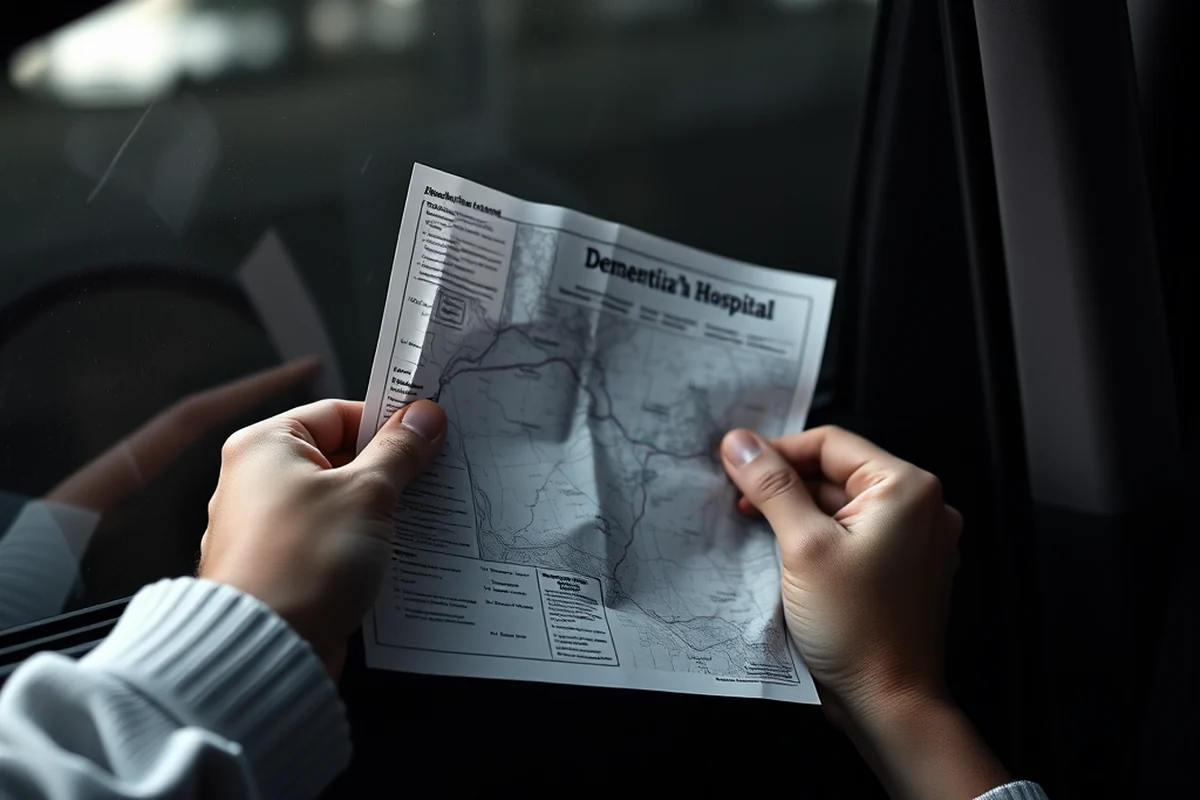
One of the most important things I’ve learned is to prepare in advance. Before visiting a hospital, I make sure to bring a list of medications, a copy of my father’s medical history, and a contact list of family members and caregivers. This helps the hospital staff understand his needs more quickly and reduces confusion for him.
Another tip is to bring familiar items from home, such as a favorite blanket or a photo album. These items can provide comfort and help your loved one feel more at ease in a new environment. I've found that having a small, familiar object from home can make a big difference in reducing anxiety and confusion.
It’s also important to communicate clearly and patiently with your loved one throughout the visit. Dementia can make it difficult for someone to follow directions or understand what is happening. Using simple language and speaking slowly can help them feel more secure and supported.
Preparation is the key to a smoother hospital experience with a dementia patient.
Related: Memory test for dementia
The Role of Family in Dementia Care in Hospital
Family involvement is essential in dementia care in hospital. When I was with my father in the hospital, I found that being present made a huge difference in his comfort level. He responded better to familiar voices and was more cooperative when I was around.
Hospitals often encourage family members to be involved in care planning, which is a great way to ensure that the patient’s preferences and needs are respected. In one hospital I visited, the staff even allowed family members to sit with patients during meals, which helped create a more personal and comforting atmosphere.
It’s also important for family members to advocate for their loved one. This means asking questions, expressing concerns, and ensuring that the care plan aligns with the patient’s values and goals. I’ve found that being proactive and involved leads to better outcomes and a more positive experience for everyone involved.
Don’t hesitate to speak up and ask questions. Being involved in your loved one’s care can lead to better outcomes and a more personalized hospital experience.
“I remember the first time I walked into a hospital with my father, who was diagnosed with early-stage dementia.”— Traveling with Dementia Care editors
Related: What is alzheimer s disease
The Benefits of Hospital-Based Memory Care Programs

Some hospitals offer memory care programs that go beyond standard dementia care. These programs often include regular assessments, personalized care plans, and family education sessions. In my experience, these programs were invaluable in helping me understand my father’s needs and how to support him better.
These programs also provide opportunities for family members to learn about dementia and how to manage challenging behaviors. This knowledge is crucial, especially during a hospital stay when stress levels are high and confusion is common.
One hospital I visited had a memory care program that included art therapy and music sessions, which were incredibly beneficial for my father. These activities helped him stay engaged and provided a sense of normalcy in an otherwise unfamiliar environment.
Related: What is dementia what is dementia
The Importance of Communication in Dementia Care
Communication is often the most overlooked aspect of dementia care, but it’s one of the most important. In hospital settings, where patients are often surrounded by unfamiliar people and environments, clear and consistent communication is crucial.
I’ve found that using simple, clear language and speaking slowly helps reduce confusion. It’s also important to use the patient’s name often and maintain eye contact to help them stay focused. This approach has made a noticeable difference in my father’s responses during his hospital stays.
Hospitals that train their staff in dementia-specific communication techniques are better equipped to provide compassionate care. This includes understanding how to de-escalate situations and how to build trust with patients who may be experiencing memory loss or confusion.
Related: What is the dementia treatment
The Impact of Sensory Environments on Dementia Patients
The sensory environment of a hospital can have a profound effect on dementia patients. Bright lights, loud noises, and unfamiliar scents can all contribute to confusion and distress. On the other hand, a calm, sensory-friendly environment can promote relaxation and comfort.
In one hospital I visited, they had dimmed lighting, soft music playing in the background, and minimal noise. This helped my father feel more at ease and less overwhelmed. I’ve also noticed that hospitals with these features tend to have fewer incidents of agitation or aggression.
Creating a sensory-friendly environment is not just about aesthetics — it’s about ensuring that the patient feels safe and supported. Hospitals that prioritize this are often the best choice for someone with dementia.
A calm, sensory-friendly environment can transform a hospital stay for a dementia patient.
Related: How is dementia diagnosed
The Role of Technology in Dementia Care in Hospital
Technology is playing an increasingly important role in dementia care in hospitals. From wearable devices that track patient behavior to apps that help family members stay informed, technology is helping to bridge the gap between medical care and personal support.
In one hospital I visited, they used a system that tracked patients’ movements and alerted staff if they wandered too far from their room. This was especially helpful for my father, who had a tendency to become disoriented and wander when he was in a new environment.
Technology can also help caregivers stay connected with their loved ones. There are now apps that allow family members to receive updates on their loved one’s condition and care plan, which can be incredibly reassuring during a hospital stay.
💰 Budget-Friendly Dementia Care in Hospital
Explore options for affordable hospital stays that still provide quality dementia care, without breaking the bank.
🗓️ Long Weekend Dementia Care in Hospital
Find out how to plan a short hospital visit that still offers comprehensive care for your loved one.
👨👩👧👦 Dementia Care in Hospital with Kids
Learn how to involve children in the care process and create a welcoming environment for all family members.
🍂 Off-Season Dementia Care in Hospital
Discover the benefits of scheduling a hospital visit during off-peak times, when staff may be more available and the environment is less stressful.
🛏️ Luxury Dementia Care in Hospital
Explore high-end hospitals that offer personalized, comfortable, and secure dementia care experiences.
| The mistake | Why it happens | The fix |
|---|---|---|
| Not researching the hospital’s dementia care unit in advance. | This can lead to a stressful experience for both the patient and the caregiver, as the hospital may not be equipped to handle the specific needs of a dementia patient. | Research hospitals and their dementia care units before your visit to ensure you choose a facility that is well-suited for your loved one. |
| Assuming that any hospital can provide adequate dementia care. | Not all hospitals have the same level of training or resources for dementia patients, which can lead to a suboptimal care experience. | Ask specific questions about the hospital’s dementia care practices and ensure they have trained staff and a dedicated unit. |
| Overlooking the importance of a sensory-friendly environment. | A hospital with bright lights and loud noises can increase confusion and agitation for dementia patients. | Choose a hospital that prioritizes a calm, sensory-friendly environment with dim lighting and minimal noise. |
| Not being prepared for the emotional and logistical challenges of a hospital stay. | This can lead to stress, confusion, and a lack of support for both the patient and the caregiver. | Prepare in advance by bringing necessary items, knowing the care plan, and being ready to advocate for your loved one. |
Dementia Care In Hospital
Common Questions
How can I find a hospital with a dedicated dementia care unit?
What should I bring to the hospital with my loved one?
How can I ensure my loved one is safe in the hospital?
What are the benefits of a sensory-friendly hospital environment?
References
- Planning After a Dementia Diagnosis - Alzheimers.gov (alzheimers.gov)
- Train Health Care Workers About Dementia (bhw.hrsa.gov)
- UCSF Dementia Clinical Trials — San Francisco Bay Area (clinicaltrials.ucsf.edu)
- GUIDE (Guiding an Improved Dementia Experience) Model | CMS (cms.gov)
Cite this guide
Traveling with Dementia Care (2026). Dementia Care In Hospital. https://carewaygo.com/dementia-care-in-hospital/
Feel free to cite or share this guide.