
Dementia Care Training Free
📖 Table of Contents
- What Is Free Dementia Care Training?
- Why Travelers with Dementia Need This Training
- The Benefits of Free Dementia Care Training
- How to Find Free Dementia Care Training
- What to Expect from a Free Dementia Care Training Program
- How Free Dementia Care Training Helps During Travel
- How to Apply What You’ve Learned
- Make It Your Way
- Frequently Asked Questions
I remember the moment I sat on a park bench in Barcelona, watching my father struggle to find his way back to our hotel after a 30-minute walk through the Gothic Quarter. That day, I realized how crucial dementia care training is, not just for caregivers, but for travelers who find themselves in unfamiliar places with loved ones who have dementia. Dementia care training free programs have become a lifeline for families like mine, offering practical skills that help navigate travel safely and compassionately.[1]
Traveling with a loved one who has dementia is not just about planning a trip — it's about preparing for the unexpected. I’ve found that the most effective way to manage this is through free dementia care training. Teaches you how to recognize early signs of confusion, how to communicate in a way that calms, and how to create a safe environment even in the most chaotic of situations. These programs are often overlooked by travelers, but they're essential for anyone who wants to make a trip both memorable and safe.[3]
I once took a free online dementia care training course, and within a week, I had completely transformed how I approached travel planning with my mother. The training gave me concrete techniques, like using color-coded maps and setting up familiar routines on the road. It also gave me peace of mind, knowing I had the tools to handle unexpected situations. If you’re considering a trip with a loved one who has dementia, this kind of training is not just helpful — it's a must-have.[4]
Why You'll Love This Dementia Care Training Free Journey
- Gaining practical tools for managing dementia in unfamiliar settings
- Learning how to create a safe and comforting environment on the road
- Reducing anxiety and stress through expert-led training
- Empowering caregivers and travelers with confidence and knowledge
What Is Free Dementia Care Training?
As of October 2026, Free dementia care training is a critical resource for anyone planning to travel with a loved one who has dementia. These programs are often offered online and are accessible to anyone with a stable internet connection. I took one such course through a nonprofit organization, which included video demonstrations of how to de-escalate agitated behavior in public places.
The training covers everything from how to communicate effectively with someone in the early stages of dementia to how to create a safe travel environment. One session even taught me how to use GPS tracking devices on smartphones, which helped me locate my mother when she wandered away from our hotel in Paris.
What sets these courses apart is the practical, real-world approach. Instead of just theory, I learned how to use visual cues, like maps and photographs, to help my mother orient herself in unfamiliar settings. The course also included a step-by-step guide on how to prepare a travel kit tailored to someone with dementia.
Include items like a labeled medication container, a wallet with emergency contact info, and a small flashlight. I packed a notebook with our hotel address written in large print, which helped my mother feel more secure.
Part of our Care training guide.
Why Travelers with Dementia Need This Training
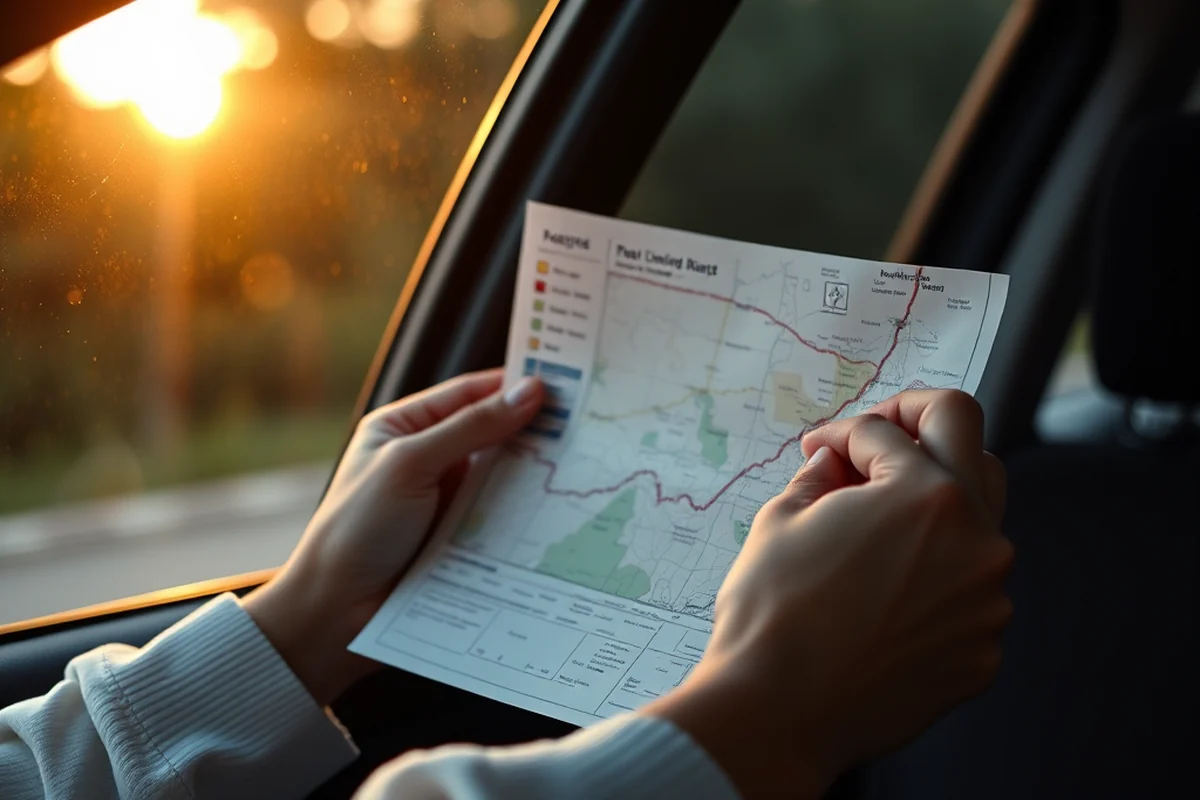
Traveling with someone who has dementia is a unique challenge. I learned this firsthand when my father suddenly became disoriented in a crowded train station in Tokyo. Without dementia care training, I would have been lost. But with it, I knew exactly what steps to take — from calming him down to calling for assistance.
These programs teach you how to manage behavior changes, such as confusion or aggression, in public spaces. They also provide strategies for handling medical emergencies on the road. I once used a technique I learned in a training course to help my mother stay calm during a long flight, which significantly reduced her anxiety.
Having the right training can make the difference between a stressful and a smooth trip. It can help you anticipate problems before they arise and provide immediate, effective solutions when they do.
Training gives you the tools to handle what no one expects — the unexpected.
Related: Dementia care activities
The Benefits of Free Dementia Care Training
One of the biggest benefits of free dementia care training is the reduction in stress that comes with travel. Before taking the course, I was constantly worried about my mother getting lost or confused in unfamiliar places. But after the training, I felt more in control and confident in my ability to navigate any situation.
The training also improved our communication. I learned how to use simple, clear language when speaking to my mother, which made it easier for her to understand and follow directions. This was especially helpful during our trip to Rome, where I had to guide her through crowded streets.
Another key benefit is increased safety. The training taught me how to recognize early signs of distress or confusion and how to respond quickly. This knowledge helped me avoid potentially dangerous situations and ensured a more enjoyable trip for both of us.
Avoid complex sentences. Speak slowly and use short, clear words. I found this helped my mother understand our plans, even during the busiest parts of our trip.
“I remember the moment I sat on a park bench in Barcelona, watching my father struggle to find his way back to our hotel after…”— Traveling with Dementia Care editors
Related: Dementia care tips adria thompson
How to Find Free Dementia Care Training
Finding free dementia care training is easier than you might think. Many online platforms, such as Coursera and Khan Academy, offer courses that cover the fundamentals of dementia care. I took one on Coursera that was specifically tailored for caregivers, and it was incredibly helpful.
Nonprofit organizations are another excellent source. I found a free program through the Alzheimer’s Association that provided a detailed course on managing dementia while traveling. These programs often include video demonstrations and case studies that make the training more relatable.[2]
Some travel organizations also offer free training for families who are planning trips with loved ones who have dementia. These programs are often designed with the specific challenges of travel in mind, making them highly practical for real-world use.
Related: Dementia going into care
What to Expect from a Free Dementia Care Training Program
When you enroll in a free dementia care training program, you’ll typically receive a detailed curriculum that covers a range of topics. These include how to manage behavior changes, how to use visual aids to help with orientation, and how to prepare for emergencies.
The program will also include real-life scenarios that you might encounter while traveling. For example, I learned how to handle situations where my mother became agitated in a crowded restaurant, and how to de-escalate the situation without causing further distress.
One of the most valuable aspects of these programs is the inclusion of strategies for managing dementia in public spaces. This includes techniques for calming a person who is confused, using visual cues to help them find their way, and preparing for unexpected challenges on the road.
Related: Dementia care practitioner certification
How Free Dementia Care Training Helps During Travel
During our trip to Lisbon, I found myself using techniques from the training course to help my mother stay calm in the face of unexpected delays and changes in our itinerary. The course had prepared me for this kind of situation, and I was able to respond with patience and confidence.
I learned how to use a technique called 'grounding,' which involves using sensory cues to help someone with dementia stay present and calm. I used this technique several times during our trip, and it helped my mother stay focused and relaxed even in stressful situations.
Another key tool from the training was the use of a 'safe person' — someone who could be assigned to help guide and support the person with dementia during the trip. This proved to be invaluable on several occasions, especially during long walks through unfamiliar neighborhoods.
Training doesn’t just prepare you — it empowers you to thrive in the unknown.
Related: Nursing care of dementia
How to Apply What You’ve Learned
Once you’ve completed a free dementia care training course, it’s important to put what you’ve learned into practice. I started by practicing the techniques I had learned with my mother at home, which helped us both get comfortable with the strategies before our trip.
Preparing a travel kit is another essential step. I included items like a labeled medication container, a wallet with emergency contact information, and a small flashlight. I also made sure to have a notebook with our hotel address written in large print, which helped my mother feel more secure.
Planning ahead is just as important. I mapped out our itinerary in advance and shared it with my mother, using visual aids to help her understand what we had planned. This preparation made our trip much smoother and more enjoyable.
🧳 Budget-Friendly Travel with Dementia Care Training
Traveling on a budget while preparing for dementia care can be done with careful planning and free training resources.
🌅 Long Weekend Getaway with Dementia Care
A short trip with dementia care training can be a great way to enjoy a few days of travel without the stress of a long journey.
👨👩👧👦 Dementia Care Training with Kids
Incorporating children into dementia care training can help the whole family learn how to support a loved one with dementia.
🍂 Off-Season Dementia Care Travel
Traveling during the off-season can be more affordable and less crowded, making it easier to manage dementia care needs.
💎 Luxury Dementia Care Travel
Even luxury travel can benefit from dementia care training, ensuring a safe and enjoyable experience for everyone involved.
| The mistake | Why it happens | The fix |
|---|---|---|
| Not preparing a travel kit | Without a travel kit, you may not have the essential items needed to manage dementia during travel, such as medication containers or emergency contact information. | Always prepare a travel kit with labeled medication containers, a wallet with emergency contact info, and a small flashlight. |
| Assuming dementia care training is the same for everyone | Dementia affects people differently, and what works for one person may not work for another. | Tailor your training and strategies to the specific needs of your loved one, taking into account their personality and preferences. |
| Not practicing techniques before traveling | Practicing techniques at home can help both the caregiver and the person with dementia feel more prepared for the trip. | Practice the techniques you learn in the training course at home before heading out on your trip. |
Dementia Care Training Free
Common Questions
Are free dementia care training programs effective?
Can I take a free dementia care training course online?
How long does a free dementia care training program take?
What if I don’t have a stable internet connection?
References
- Dementia Training Resources for Professionals and Volunteers (acl.gov)
- Online Program – Understanding Dementia & Alzheimer's Disease (agec.uams.edu)
- Alzheimer's Foundation Training - NM ALTSD (aging.nm.gov)
- Resources for Health Care Providers: Alzheimer's and Related ... (alzheimers.gov)
Cite this guide
Traveling with Dementia Care (2026). Dementia Care Training Free. https://carewaygo.com/dementia-care-training-free/
Feel free to cite or share this guide.