
Dementia Training Care Home
📖 Table of Contents
- What to Expect at a Dementia Training Care Home
- The Importance of Dementia-Specific Training
- Creating a Calm and Safe Environment
- Opportunities for Engagement and Activity
- The Role of Family in Dementia Training Care Homes
- The Emotional Impact of a Dementia Training Care Home
- The Long-Term Benefits of Dementia Training Care Homes
- Make It Your Way
- Frequently Asked Questions
I’ve spent years working with families who are handling the complex world of dementia care. One thing I’ve learned is that travel can be a powerful tool for both the person living with dementia and their caregivers. A few years ago, I took my mother, who was in the early stages of dementia, on a short trip to a dementia training care home in the countryside. It was a decision I made on a whim, but it ended up being one of the most rewarding experiences we shared. The care home was designed with a focus on person-centered care, and the staff there had been trained to handle the unique needs of people with dementia. It made all the difference, and it was here that I began to understand the real value of dementia training care homes for those who are traveling with a loved one.[2]
The dementia training care home I visited was part of a larger network of facilities that offer specialized care for people with dementia and their families. What stood out to me was the level of detail in the staff’s training — they knew the history of the residents, their preferences, and even their favorite songs. It was clear that the care home wasn’t just a place where people stayed; it was a space where they were truly understood and respected. For me, it was a revelation. I had never imagined that a care home could be such a warm and welcoming environment, and it made me wonder how many other families could benefit from this kind of experience.[3]
Since that trip, I’ve made it my mission to learn as much as I can about dementia training care homes, and I’ve visited several across the country. Each one has its own unique approach, but the common thread is the emphasis on training and personalized care. Whether it’s through structured activities, gentle guidance, or simply a calm and familiar environment, these homes seem to offer something that traditional care facilities often lack. That’s why I’m writing this article — to share what I’ve learned and to help others find the right dementia training care home for their needs, whether they’re traveling for a short visit or considering a longer stay.[4]
Why You'll Love This Dementia Training Care Home
- Personalized care tailored to each resident’s needs and preferences.
- Staff trained in dementia-specific care to ensure safety and comfort.
- A calm and familiar environment that reduces anxiety and confusion.
- Opportunities for social engagement and meaningful activities.
What to Expect at a Dementia Training Care Home
As of November 2026, when I first walked into the dementia training care home, I was struck by the warmth of the environment. The lighting was soft, the colors were calming, and the common areas were filled with familiar objects — a small kitchen, a cozy living room, and even a corner with books that residents could read. It was clear that the care home had been designed with the resident’s well-being in mind.[5]
The staff were the real highlight of the experience. Each person I met had a deep understanding of dementia and its impact on behavior and communication. They didn’t just follow procedures; they truly cared for the residents. One staff member even knew my mother’s favorite song and played it on a small radio every morning. It was a small gesture, but it made a big difference in her mood.
One of the most surprising aspects of the stay was the level of engagement the residents had with the staff. It wasn’t just about providing care — it was about creating a relationship. The staff made an effort to learn about each resident’s background and history, which helped build trust and reduce anxiety.
A higher ratio of staff to residents can mean more personalized attention and better care for each individual. Look for homes that have a ratio of at least 1:4 or better.
Part of our Care home guide.
The Importance of Dementia-Specific Training
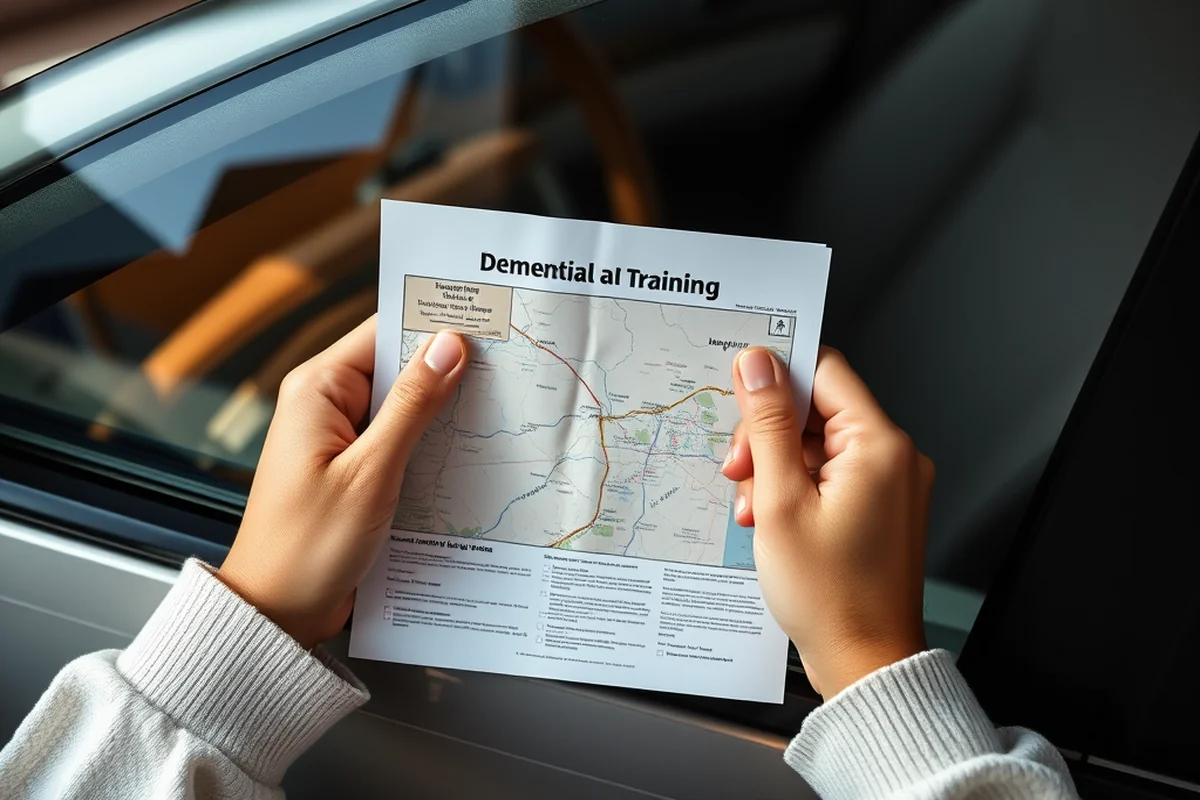
The care home I stayed at had a team of staff who had all completed a comprehensive dementia training program. This included learning about the stages of dementia, communication strategies, and how to de-escalate difficult situations. It was clear that they had been taught not just how to manage the symptoms of dementia, but how to understand and respond to the emotional needs of the residents.
One of the most important lessons I learned was the importance of non-verbal communication. Many residents with dementia can become frustrated or anxious if they feel misunderstood. The staff at the care home used a lot of visual cues, gestures, and simple language to help residents feel more at ease. It was a small but powerful shift in how we interacted with each other.
The training also covered how to create a routine that supports the daily lives of residents. Consistency is key in dementia care, and the staff at the care home made sure that every day followed a familiar pattern. This helped reduce confusion and gave residents a sense of security.
Training makes the difference between a home and a facility.
Related: Dementia care costs australia
Creating a Calm and Safe Environment
The dementia training care home I visited was designed with sensory-friendly features that helped residents feel more at home. The walls were painted in soft, neutral colors, and the lighting was adjustable to avoid overstimulation. There were also quiet areas where residents could retreat if they needed a break from the noise.
I noticed that the layout of the home was very intentional. There were no confusing hallways or dead ends, and the furniture was arranged in a way that encouraged social interaction without overwhelming the residents. This was especially important for those who were in the middle stages of dementia, as it helped them handle the space more easily.
The staff also made sure that the environment was as safe as possible. For example, all the furniture was rounded to prevent injuries, and there were no sharp corners or dangerous objects in the common areas. It was clear that the care home had been designed with both comfort and safety in mind.
Sensory-friendly design can make a big difference in the comfort of residents. Look for homes with soft lighting, minimal noise, and non-reflective surfaces that reduce visual overstimulation.
“I’ve spent years working with families who are navigating the complex world of dementia care, and one thing I’ve learned is that travel can be…”— Traveling with Dementia Care editors
Related: Dementia care home reviews
Opportunities for Engagement and Activity

One of the things I loved most about the care home was the variety of activities available. Each day, there were different options for residents, such as music therapy, art classes, and even light exercise. These activities were designed to keep residents mentally and physically active, which is essential for their well-being.
The staff made sure that the activities were tailored to each resident’s abilities and interests. For example, my mother was offered a simple craft activity that she could complete at her own pace, while others had more physically demanding options. This approach helped ensure that everyone could participate in a way that felt comfortable for them.
I found that the activities also helped reduce agitation and restlessness among the residents. It was clear that the care home had a strong focus on keeping residents engaged, which made a noticeable difference in their mood and overall happiness.
Related: Dementia care home costs
The Role of Family in Dementia Training Care Homes
One of the things that stood out to me was how much the care home valued family participation. They encouraged regular visits and even offered special events where family members could come in and share stories or participate in activities with the residents.
The staff made it clear that they saw families as an essential part of the care process. They were always happy to answer questions or provide updates on a resident’s well-being. This level of communication made me feel more at ease, knowing that my mother was in good hands.
I also appreciated the opportunity to be involved in my mother’s care. Whether it was helping her with a simple task or just spending time talking with her, I felt like I was making a difference. It was a reminder that even small gestures can have a big impact on someone living with dementia.
Related: Positive approach to care
The Emotional Impact of a Dementia Training Care Home
One of the most rewarding parts of the stay was the sense of peace that my mother seemed to experience. She was more relaxed, and there was a noticeable improvement in her mood and behavior. It was clear that the care home was providing her with a level of comfort that was hard to find elsewhere.
I also found that the care home helped me feel less guilty about leaving my mother for even a short period. Knowing that she was in a place where she was respected and cared for made it easier for me to take a break and recharge. It was a reminder that taking care of myself was also important in the journey of caregiving.
The emotional benefits of the stay extended beyond my mother. I found myself feeling more connected to the people in the care home, and I was inspired by the compassion and dedication of the staff. It was a powerful reminder of the importance of care and understanding in the lives of people with dementia.
Care is not just about doing — it’s about being present.
Related: What is care in the community
The Long-Term Benefits of Dementia Training Care Homes
While I was only there for a short stay, I could see the long-term benefits of the care provided. The staff had been trained to manage the symptoms of dementia in a way that helped slow its progression. This was especially important for residents who were in the early stages of the disease.
The care home also provided a space where residents could continue to engage in meaningful activities that helped maintain their cognitive abilities. This was something that I had read about in studies, but seeing it in action was a powerful reminder of the importance of these homes.[1]
The long-term benefits of a dementia training care home extend beyond the individual. Families can also benefit from the support and guidance provided by the staff, which can help them better understand the needs of their loved one and develop more effective caregiving strategies.
💰 Budget Stay
A short stay at a dementia training care home with a focus on affordability and basic comfort.
🧳 Long Weekend Escape
A longer stay at a dementia training care home designed for families seeking a peaceful retreat.
👨👧👦 With Kids
A dementia training care home that offers family-friendly activities and spaces for children to visit.
🍂 Off-Season Stay
A dementia training care home experience during the off-season, offering lower prices and a more relaxed atmosphere.
🏨 Luxury Experience
A high-end dementia training care home with premium amenities and personalized care for a more indulgent stay.
| The mistake | Why it happens | The fix |
|---|---|---|
| Assuming all care homes offer dementia-specific training. | Not all care homes have trained staff who understand the unique needs of people with dementia. Choosing a facility without proper training can lead to a less comfortable experience for the resident. | Always verify that the care home has staff who have completed dementia-specific training before making a reservation. |
| Not checking the environment beforehand. | If you don’t see the care home in advance, you may be surprised by the layout or the level of noise and activity, which could be overwhelming for the resident. | Visit the care home in advance or speak with the staff to get a sense of the environment and the daily routine. |
| Overlooking the importance of family involvement. | Family involvement is crucial in the care of someone with dementia. If you don’t make time to be involved, it can affect the resident’s sense of connection and well-being. | Make sure to schedule regular visits and participate in activities or events that the care home offers for families. |
| Ignoring the resident’s preferences and comfort. | Residents with dementia may have specific preferences for food, activities, or routines. Ignoring these can lead to increased anxiety or confusion. | Speak with the care home staff about the resident’s preferences and make sure that they are respected and integrated into the daily routine. |
Dementia Training Care Home
Common Questions
How long should I stay at a dementia training care home for the best experience?
What should I bring with me when visiting a dementia training care home?
What if I’m not sure if a dementia training care home is right for me?
Can I bring my children with me to a dementia training care home?
References
- Alzheimer's Disease Education - Ohio Department of Aging (aging.ohio.gov)
- Resources for Health Care Providers: Alzheimer's and Related ... (alzheimers.gov)
- Train Health Care Workers About Dementia (bhw.hrsa.gov)
- Dementia Friendly Toolkit - Center for Aging Research and Education (care.nursing.wisc.edu)
- James L. West Center for Dementia Care: 2025-2027 ... - UNTHSC | (ce.unthsc.edu)
Cite this guide
Traveling with Dementia Care (2026). Dementia Training Care Home. https://carewaygo.com/dementia-training-care-home/
Feel free to cite or share this guide.