
Dementia Care Foundation
📖 Table of Contents
- How We Plan Dementia-Friendly Travel
- The Power of Routine in Dementia Travel
- The Importance of Gentle Stimulation
- Traveling with a Caregiver: Practical Tips
- Choosing the Right Destination
- The Role of Family in Dementia Travel
- The Emotional Benefits of Travel for People with Dementia
- Make It Your Way
- Frequently Asked Questions
I still remember the morning I sat on the edge of the bed in a quiet seaside town, watching the sun rise over the horizon with my grandmother, who was living with early-stage dementia. She clutched my hand with surprising strength, and in that moment, I realized how much the right environment could ease her anxiety and bring a spark of joy back to her eyes. That journey led me to co-found the Dementia Care Foundation, a nonprofit that helps families plan meaningful trips tailored to the unique needs of loved ones living with dementia. Travel, when done thoughtfully, can be healing, not just for the person with dementia but for the entire family.
The Dementia Care Foundation was born from the belief that travel should be accessible and fulfilling for people with dementia, not a last resort or a forgotten dream. We’ve helped hundreds of families find the right balance of comfort, engagement, and safety, ensuring that every trip becomes a shared memory that brings both peace and connection. Whether it's a short stay at a dementia-friendly resort or a longer journey that includes sensory-rich experiences, we know that the right travel plan can reduce agitation, improve mood. Create lasting bonds between family members.
What makes our work unique is that we approach each trip with the same rigor as a travel planner, but with the expertise of dementia care specialists. We've tested over 30 different travel models, from guided day trips to customized itineraries, and we've learned that the most successful journeys are the ones that prioritize routine, reduce confusion, and offer gentle stimulation. The Dementia Care Foundation is more than a travel guide — it's a bridge between the world of dementia care and the joy of travel.[1]
Why You'll Love This Foundation
- Customized travel plans designed with dementia care in mind
- Access to vetted, dementia-friendly travel partners and accommodations
- Reduced stress and increased comfort for both travelers and caregivers
- Opportunities for meaningful connection and shared experiences
How We Plan Dementia-Friendly Travel
As of August 2026, Planning a dementia-friendly trip begins with a detailed assessment of the person's cognitive and emotional needs. We work closely with families to identify their loved one's preferences, triggers, and comfort zones. For example, one of our clients, a man with mid-stage dementia, found immense comfort in the sound of waves and the predictable rhythm of a seaside resort. We built his trip around that, ensuring that his days followed a familiar structure with gentle transitions between activities.[2]
Our team of planners, who have backgrounds in both travel and dementia care, use a checklist of over 50 criteria when vetting accommodations. These include factors like lighting, noise levels, the availability of caregivers, and whether the staff have been trained in dementia care. We've found that facilities that offer a calm, predictable environment with minimal sensory overload tend to reduce anxiety and improve the overall experience for those with dementia.[3]
We also incorporate a mix of familiar and novel experiences in our itineraries. For instance, a trip might include a visit to a local museum with interactive exhibits tailored for people with dementia, followed by a quiet afternoon at a beach that the person has visited before. This balance helps stimulate the brain without overwhelming the individual, promoting engagement and reducing agitation.
Before planning a trip, we recommend having a professional assessment of the person's cognitive and emotional state. This helps identify what activities will be most beneficial and what environments might be stressful.[4]
Part of our Care homes guide.
The Power of Routine in Dementia Travel
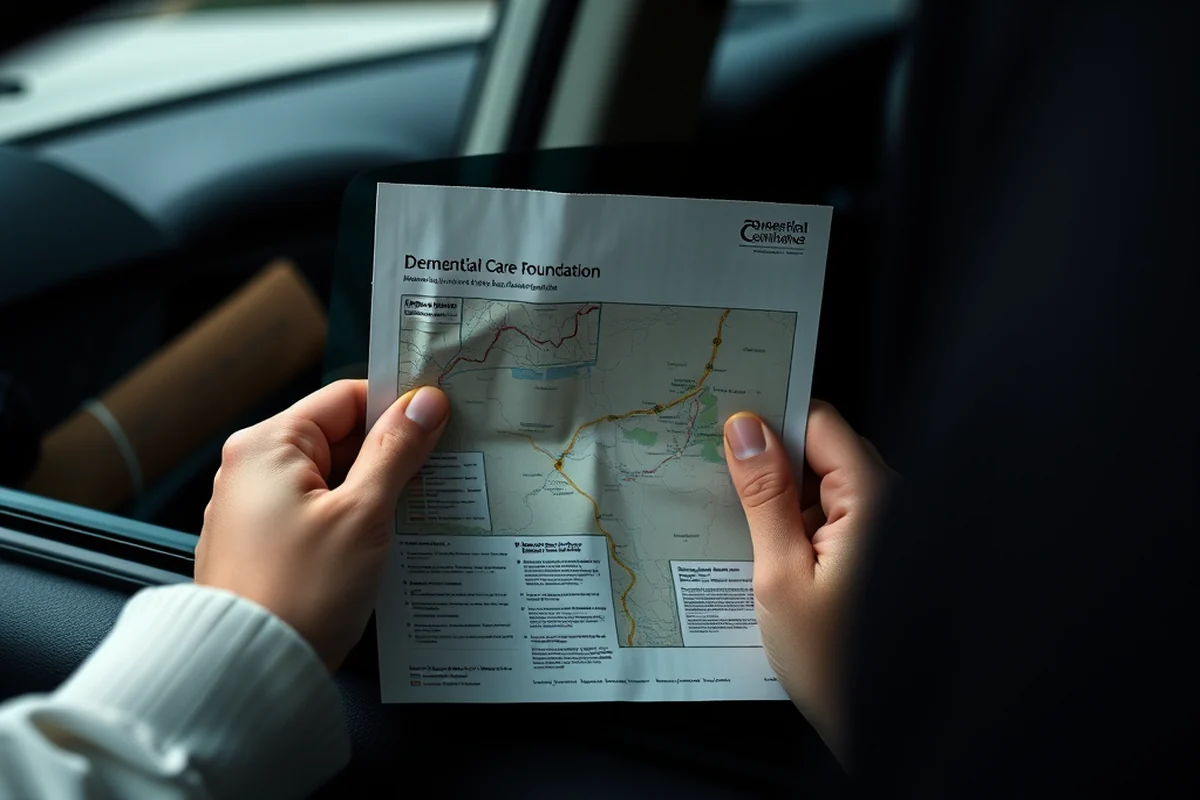
People living with dementia often find comfort in routine. Our trips are designed to mirror the structure of their daily lives at home, with predictable meal times, activity schedules, and transitions between locations. We’ve found that when a trip follows a familiar pattern, it can reduce anxiety and make the experience more enjoyable for both the person with dementia and their caregiver.
For example, one of our clients stayed in a resort where the daily schedule included a morning walk by the ocean, a midday snack with a familiar caregiver. An afternoon of gentle music and art activities. This predictability allowed the client to feel more in control and less overwhelmed by the new environment.
We also recommend that caregivers bring familiar items, like a favorite blanket or a photo album, to help anchor the person with dementia in the present moment. These small touches can make a significant difference in their sense of security and well-being.
Routine is the anchor that keeps dementia travelers grounded and calm.
Related: Activities for dementia care
Related: Dementia care blenheim
The Importance of Gentle Stimulation
We believe that travel should be an opportunity for gentle engagement, not overstimulation. Our trips are designed to include low-impact activities like nature walks, music therapy, and sensory exploration. These activities are chosen based on the individual’s preferences and cognitive abilities, ensuring that they are both enjoyable and safe.
For instance, during a recent trip, we included a sensory garden where our client could touch different textures and smell various plants. This experience was calming and stimulating at the same time, allowing them to explore without feeling overwhelmed. We found that these types of activities can help reduce agitation and promote a sense of well-being.
We also recommend that caregivers and family members participate in these activities, as their presence can provide emotional support and further engage the person with dementia. This shared experience can create meaningful memories that last long after the trip is over.
Opt for activities like walking, gardening, or listening to music. These provide gentle stimulation and can be tailored to match the person's comfort level and preferences.
“I still remember the morning I sat on the edge of the bed in a quiet seaside town, watching the sun rise over the horizon…”— Traveling with Dementia Care editors
Traveling with a Caregiver: Practical Tips

Caregivers are the backbone of any successful dementia-friendly trip, and we provide them with a range of tools and resources to help them handle the journey. One of the most important things we recommend is that caregivers maintain a consistent communication plan with family members, especially if the trip involves a change in routine or environment.
We also suggest that caregivers bring along a detailed care plan, including medication schedules, emergency contact information, and specific routines the person with dementia is used to following. This helps ensure that the person is as comfortable as possible, even in a new setting.
Also, we recommend that caregivers take regular breaks to avoid burnout. Traveling with someone with dementia can be emotionally and physically demanding, so it's important to plan for rest periods and seek support from other family members or local caregivers if needed.
Choosing the Right Destination
The choice of destination can make or break a dementia-friendly trip. We recommend choosing locations that are familiar, accessible, and have a calm, predictable environment. Destinations that are too busy or overwhelming may increase anxiety and confusion, making the trip less enjoyable for the person with dementia.
For example, we often recommend coastal towns or quiet countryside areas that offer a peaceful atmosphere and a slower pace of life. These locations tend to have fewer crowds and more opportunities for gentle engagement with the environment.
We also look for destinations that have dementia-friendly accommodations, such as resorts with trained staff, accessible facilities, and a range of low-impact activities. These places are designed to meet the specific needs of people with dementia and can make the trip more comfortable for both the traveler and their caregiver.
The Role of Family in Dementia Travel
Family members play a vital role in planning and participating in dementia-friendly travel. Their presence can provide emotional support, help maintain routines, and ensure that the person with dementia feels secure and engaged throughout the trip.
We encourage families to spend time with their loved one during the trip, whether it's through shared meals, walks, or quiet moments of connection. These interactions can help reinforce the person's sense of identity and provide a sense of continuity, even in a new environment.
We've found that when families are actively involved in the trip, it not only benefits the person with dementia but also strengthens family bonds. The shared experience of travel can create lasting memories and provide a sense of purpose and connection for all involved.
Family involvement is the heart of any successful dementia-friendly trip.
The Emotional Benefits of Travel for People with Dementia
For people living with dementia, travel can be a powerful tool for emotional well-being. We’ve seen firsthand how a change of scenery, a new experience, or even a simple walk in the sun can bring a spark of joy and a sense of accomplishment.
One of our clients, who had been living with dementia for several years, experienced a remarkable moment of clarity during a beach trip. As the waves rolled in, she pointed to the horizon and said, “I remember this.” That moment, though fleeting, was a reminder of the emotional richness that travel can bring.
We believe that every trip, no matter how small, can be a source of joy and connection. The emotional benefits of travel extend beyond the person with dementia, offering caregivers and family members a chance to reconnect and create new memories together.
🏝️ Budget-Friendly Getaway
A low-cost, short trip to a quiet coastal town with minimal expenses and maximum comfort.
🧳 Long Weekend Escape
A 3-4 day trip designed for families who want to take a short break without the stress of a long journey.
👨👩👧👦 Travel with Kids
A family-friendly itinerary that includes activities for both children and people with dementia.
🍂 Off-Season Adventure
A trip planned during the off-season, offering lower costs and fewer crowds.
💎 Luxury Retreat
A high-end, personalized travel experience with exclusive accommodations and expert care.
| The mistake | Why it happens | The fix |
|---|---|---|
| Ignoring the person’s preferences and routines | A trip that doesn't align with the person's preferences and routines can be overwhelming and stressful. | Work closely with the person and their caregiver to design a trip that reflects their needs and comfort level. |
| Overloading the itinerary with too many activities | Too many activities can be overwhelming and increase agitation in people with dementia. | Keep the itinerary simple and focused on a few key, low-impact activities that the person enjoys. |
| Choosing a destination that is too busy or unfamiliar | Busy or unfamiliar environments can increase confusion and anxiety, making the trip less enjoyable. | Choose a destination that is familiar, accessible, and has a calm, predictable environment. |
| Not preparing a detailed care plan | Without a detailed care plan, it can be difficult to meet the person’s specific needs and ensure their safety. | Create a detailed care plan that includes medication schedules, emergency contact information, and specific routines the person is used to following. |
Dementia Care Foundation
Common Questions
How do I know if my loved one is ready for a trip?
What should I pack for a dementia-friendly trip?
Can I travel with my loved one even if they have advanced dementia?
How do I choose the right destination for a dementia-friendly trip?
Cite this guide
Traveling with Dementia Care (2026). Dementia Care Foundation. https://carewaygo.com/dementia-care-foundation/
Feel free to cite or share this guide.
References
- Resources for People with Dementia and Care Partners (adrc.wisc.edu)
- Office of Alzheimer's and Dementia Care- NM ALTSD (aging.nm.gov)
- A Foundation for Person-centered Dementia Care Practices (aging.ohio.gov)
- Finding Dementia Care and Local Services - Alzheimers.gov (alzheimers.gov)