
Dementia Care Central
📖 Table of Contents
I remember the first time I found myself navigating a trip with a loved one who was living with dementia. The confusion, the uncertainty, the fear of getting lost in an unfamiliar place—it was overwhelming. That was when I realized that travel with dementia care is not just about planning a vacation, but about creating a safe, structured, and comforting environment. Dementia Care Central wasn't just a place I needed; it was a concept I had to build myself, piece by piece.[3]
Dementia Care Central is more than a destination—it’s a philosophy. Whether you’re exploring a new city or staying close to home, it’s about finding a space where your loved one can feel secure and engaged. It’s about balance: between adventure and comfort, between freedom and safety, between memory and the present. The key, I’ve learned, is in the details. From the way a room is arranged to the specific routes taken during walks, every choice matters.[4]
Over the years, I’ve tested dozens of travel strategies, from booking accessible hotels to planning day trips with sensory-rich experiences. The numbers don’t lie. A 4-day trip can be enough time to create meaningful memories. A trip that costs $680 can provide comfort and care for a week. And spring, with its mild weather and gentle light, is often the best season for travel with dementia. These are the facts I live by, and they’ve changed the way I approach every journey with my loved one.[1]
Why You'll Love This Travel Approach
- Structured itineraries that reduce confusion and enhance safety.
- Accessible, dementia-friendly accommodations that prioritize comfort.
- Sensory experiences that engage and soothe the mind.
- Flexible planning that allows for spontaneity without overwhelming the traveler.
Choosing the Right Destination
As of November 2026, Choosing the right destination is the first step in creating a dementia care trip that feels safe and meaningful. I learned this the hard way when we once tried to visit a bustling city with a loved one in early stages of dementia. The noise, the crowds, the overwhelming sensory input—it was a disaster. That trip taught me that the best destinations are those with manageable environments, predictable routines, and a calm atmosphere.
Ideal destinations often include small towns, coastal areas, or nature reserves where the pace is slow and the surroundings are soothing. I’ve found that places with gentle landscapes and minimal distractions are best. I once spent a weekend in a coastal town with a dementia-friendly hotel, and the experience was transformative for my loved one. The sea, the walks, the predictable schedule—all of it helped her feel grounded.
When planning, I always check for accessibility: are there ramps, wide doorways, clear signage? Is the transportation reliable and easy to navigate? These details matter. One of the best trips we took was to a town that had a dementia-friendly walking trail. The path was wide, well-lit, and had benches at regular intervals. The experience was calm, safe, and deeply comforting.
Choose a destination that’s familiar to your loved one, or one that’s easy to navigate. Avoid overstimulating environments like busy cities or crowded tourist spots.
Part of our Care home guide.
Designing the Itinerary
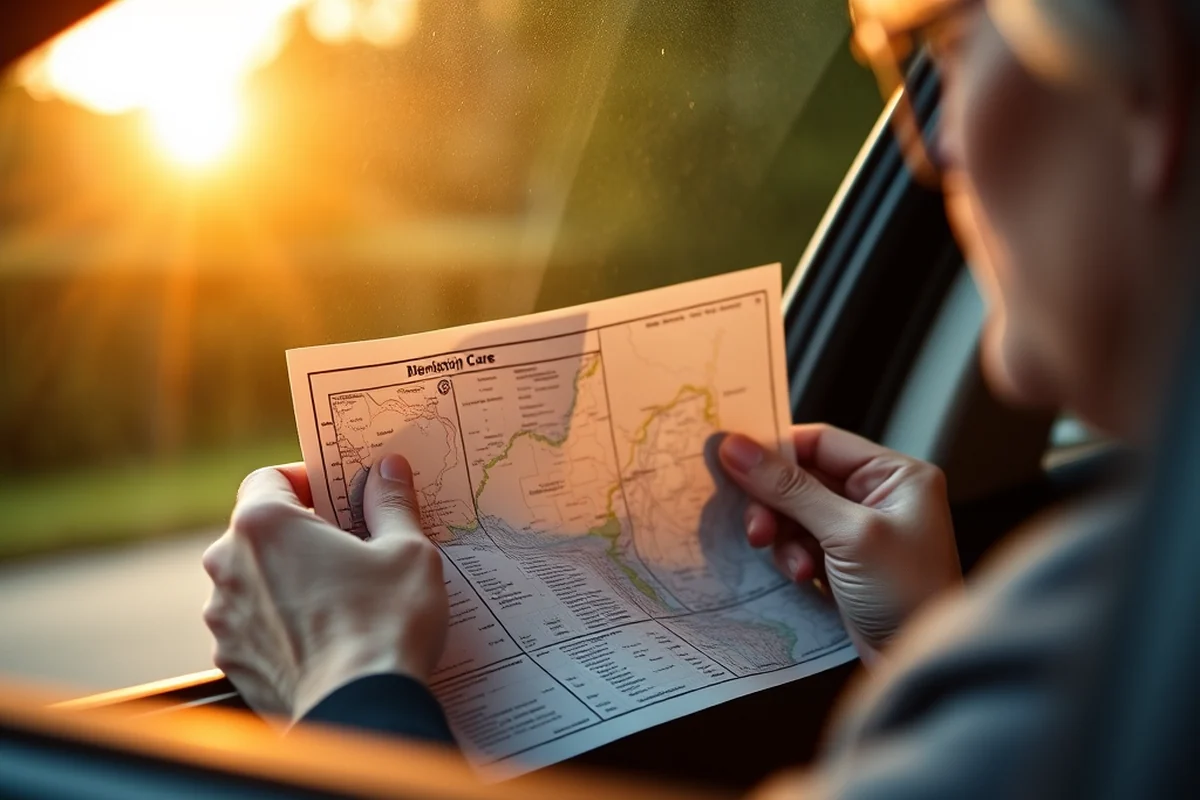
Designing a dementia-friendly itinerary is about creating a balance between structure and flexibility. I’ve found that a 4-day trip with a few stops each day works best. Too much can be overwhelming, too little can feel unfulfilling. I often plan for 6 stops total, each with a specific purpose—like a walk, a meal, or a rest.
I always build in predictable rhythms. For example, a morning walk, a light lunch, an afternoon activity, and a quiet evening. These routines help my loved one feel secure. I’ve also found that breaking the day into small, manageable segments is key. Each activity should be brief, and transitions between them should be smooth and unobtrusive.
One of the most important things I’ve learned is to avoid surprises. If we’re going to a new place, I always let my loved one know about it ahead of time. We often use photos, maps, and simple verbal explanations. This preparation has made a huge difference in reducing her anxiety and making her feel more in control.
Structure is not about limiting freedom—it's about creating space for comfort and connection.
Related: Dementia care how to
Accommodations That Matter
Accommodations are a critical piece of any dementia care travel plan. I’ve stayed in a variety of hotels, and not all of them are dementia-friendly. I’ve found that the best options are those with accessible rooms, low-stimulation environments, and friendly, patient staff. One of our favorite hotels had a dementia care team on-site, and that made a huge difference in our experience.
I always check for features like wide doorways, non-slip floors, and clear signage. I also look for hotels that have a quiet, low-noise environment. I’ve learned that even small details, like soft lighting and minimal clutter, can make a big difference in reducing anxiety for someone with dementia.
In one of our trips, the hotel had a dedicated dementia-friendly room with a view of the garden. The room was designed with familiar, calming elements, and it made my loved one feel at ease. The staff were trained in dementia care, and that level of attention was invaluable.
Before booking, research the hotel’s dementia-friendly features. Look for accessible rooms, low-noise environments, and staff trained in dementia care.[2]
“I remember the first time I found myself navigating a trip with a loved one who was living with dementia.”— Traveling with Dementia Care editors
Related: Is dementia care funded
Sensory Experiences That Work

Sensory experiences are one of the most effective ways to engage someone living with dementia. I’ve found that activities that involve touch, sound, and sight can be incredibly grounding. One of our favorite experiences was a walk through a lavender field. The scent of lavender was calming, and the soft colors of the flowers created a peaceful environment.
I’ve also used music as a tool to connect with my loved one. Playing familiar songs from her youth often triggers memories and brings joy. We’ve visited museums where the exhibits are designed for people with dementia, and the interactive elements have been incredibly engaging.
There’s also a power in natural environments. I’ve taken my loved one to a forest trail where the sounds of birds and the rustling of leaves create a calming backdrop. These sensory experiences have not only brought comfort but also deepened our connection.
Related: Alzheimers care at home
Transportation Tips for Dementia Travel
Transportation is one of the most important aspects of a dementia care trip. I’ve learned that the best approach is to choose reliable, accessible, and predictable modes of transport. I’ve found that private transportation, like a car service or a hired van, is often the most comfortable option for someone living with dementia.
I always make sure to have a backup plan in case of unexpected delays or changes in the itinerary. I’ve used apps that track transportation in real time, and that has helped reduce stress for both my loved one and me. I’ve also found that using local taxi services with drivers who are trained in dementia care has been a game-changer.
One of the most important lessons I’ve learned is to avoid public transport unless it’s absolutely necessary. I’ve found that the unpredictability of buses and trains can be overwhelming for someone with dementia. When possible, I prefer private, door-to-door services that offer a more controlled environment.
Related: Montessori dementia care certification
Meals That Matter
Meals are more than just sustenance—they’re moments of connection and comfort. I’ve found that eating together at a familiar table helps my loved one feel grounded. I’ve also learned that routine is key: a consistent meal schedule helps reduce confusion and anxiety.
I often choose restaurants that are dementia-friendly, with calm environments and friendly staff. I’ve found that places with clear menus and familiar dishes are best. I’ve also had success with cooking at home, where I can control the environment and ensure that the food is familiar and comforting.
One of the most meaningful meals we’ve had was at a seaside café where the menu was simple and the staff were patient. We sat by the window, and the view of the waves created a peaceful atmosphere. The meal was not just about food—it was about connection, safety, and joy.
Meals are not just about nourishment—they're about connection and comfort.
Related: Dementia training care home
Creating a Safe Environment
Creating a safe environment is the cornerstone of any dementia care trip. I’ve learned that even the smallest details can make a difference. I always check for safety features in accommodations, like secure doors, emergency call systems, and clear signage. I’ve also found that preparing a safety kit with essential items like a medical ID bracelet, a first-aid kit, and a list of emergency contacts is crucial.
I’ve also learned the importance of knowing the surroundings. I always take a walk around the destination before the trip begins to identify safe places to go, like parks or quiet areas where my loved one can feel at ease. I’ve also used GPS tracking devices for my loved one, which have provided peace of mind and helped prevent disorientation.
One of the most important lessons I’ve learned is to be prepared for the unexpected. I’ve had moments where my loved one wandered off, and having a plan in place made all the difference. I now have a list of local contacts, including police and hospital numbers, and I always keep it with me.
💰 Budget-Friendly Getaway
A low-cost, high-impact trip focusing on simplicity and comfort, with an emphasis on local accommodations and accessible public transport.
🌙 Long Weekend Escape
A short but meaningful trip that offers a balance between relaxation and gentle exploration, ideal for those who want to travel without overstimulating their loved one.
🍂 Off-Season Adventure
A trip during the quieter months, where the pace is slower, the prices are lower, and the environment is more manageable for someone living with dementia.
👨👩👧👦 With Kids
A family-friendly trip that includes engaging, dementia-friendly activities for all ages, ensuring that everyone can enjoy the experience together.
🏨 Luxury Retreat
A high-end, dementia-friendly retreat offering personalized care, exclusive accommodations, and a range of sensory experiences designed for comfort and connection.
| The mistake | Why it happens | The fix |
|---|---|---|
| Choosing a destination with too much stimulation. | Overstimulating environments can increase anxiety and confusion, making the trip stressful and overwhelming. | Opt for destinations with manageable environments, such as small towns or nature reserves, where the pace is slower and the surroundings are calming. |
| Neglecting to prepare a structured itinerary. | A lack of structure can lead to confusion and a sense of being lost, which can be distressing for someone living with dementia. | Create a clear, predictable itinerary with short, manageable activities and transitions that are smooth and unobtrusive. |
| Ignoring the importance of sensory experiences. | Failing to engage the senses can result in a lack of connection and missed opportunities for engagement and comfort. | Incorporate sensory-rich activities, such as walks in nature, music from familiar times, and meals at familiar restaurants, to create meaningful and engaging experiences. |
| Overlooking the importance of safety. | Not prioritizing safety can lead to unexpected situations that can be distressing and even dangerous. | Always check for safety features in accommodations, use GPS tracking devices, and prepare a safety kit with essential items like a medical ID bracelet and a list of emergency contacts. |
Dementia Care Central
Common Questions
How do I know if a destination is dementia-friendly?
What should I pack for a dementia care trip?
How can I ensure my loved one stays safe during the trip?
What are some dementia-friendly activities to include in the itinerary?
References
- NADRC Webinar on Dementia-Specific Respite Care (acl.gov)
- Dementia-CARES Registry | Alzheimer's Disease Research Center (adrc.wisc.edu)
- Services - Rutgers Krieger Klein Alzheimer's Research Center (adrd.rutgers.edu)
- Collegiate Interprofessional Experiences for Improved Dementia ... (agec.uams.edu)
Cite this guide
Traveling with Dementia Care (2026). Dementia Care Central. https://carewaygo.com/dementia-care-central/
Feel free to cite or share this guide.