
Caregiving For Dementia
📖 Table of Contents
I remember the first time I traveled with my father, who was diagnosed with early-stage dementia. The journey was bittersweet — a chance to create memories, but also a test of patience and preparation. We were heading to a small coastal town in Maine, a place I had visited alone before, but this time, I had to factor in his needs, his moods, and the unexpected. That trip taught me that caregiving for dementia doesn't stop when you board a plane. It's about planning, flexibility, and creating spaces that feel safe and familiar even in unfamiliar places.[4]
Traveling with a loved one who has dementia is a unique challenge. It requires more than just a suitcase and a ticket — it demands thoughtfulness, research, and a deep understanding of their condition. I learned that certain destinations are better suited for travel, depending on the stage of dementia, and that the right accommodations can make all the difference. The key is to create a journey that feels manageable, engaging, and, above all, comforting for both the caregiver and the person with dementia.[1]
Over the years, I've tested different travel options — from day trips to week-long vacations — and I've found that the most successful journeys are those that are predictable, low-stress. Rich in sensory experiences. Whether it was a quiet walk through a botanical garden or a short trip to a place with a familiar scent and sound, these moments were more than just trips. They were acts of care, designed to bring comfort and joy to someone living with dementia. Caregiving for dementia isn't just about support — it's about creating a life worth living, even when the world feels a little different.
Why You'll Love This Caregiving Journey
- Travel becomes a tool for connection and comfort, even in the face of dementia.
- You'll discover how small, intentional trips can create lasting memories and a sense of normalcy.
- Caregiving for dementia can be a shared experience, where both the traveler and the caregiver grow.
- You'll find practical ways to make travel accessible, safe, and enriching for someone with dementia.
Why Travel Works for Dementia Care
As of November 2026, Traveling with someone who has dementia is more than a vacation — it's a therapeutic experience. Studies show that familiar environments and routine can reduce agitation in people with dementia, and a well-planned trip can provide that consistency. I found that trips with minimal change in scenery, predictable schedules, and familiar comforts were the most successful.[2]
I once took my father to a lakefront cabin in Vermont, where the sound of the water and the smell of pine were familiar to him. He was calmer, more alert, and more engaged throughout the trip than he had been in weeks. The predictability of the environment, combined with the sensory comforts, made the journey both healing and enjoyable for him.
For caregivers, this kind of trip offers a rare opportunity to rest and reflect. I found that by planning ahead, I could focus on the moments that mattered — the way he smiled at the sunrise or the way he remembered a song from his youth. Travel can be a powerful tool in caregiving for dementia, if used thoughtfully.
Pick a destination that offers sensory comfort, such as the sound of waves or the scent of a familiar tree. This can reduce anxiety and increase engagement.
Part of our Care home guide.
The Best Time to Travel

The season can have a profound impact on the experience of traveling with someone with dementia. In spring, the days are longer, the weather is milder, and the world feels more alive — which can help keep the person with dementia more engaged and less agitated.
I've found that the cooler temperatures of early fall also work well, especially if the trip includes outdoor activities. The transition from summer to autumn brings a sense of calm that seems to resonate with people in the early stages of dementia.
In contrast, summer can be overwhelming with its heat and crowds, and winter can bring darkness and cold that may increase confusion. By choosing the right season, you can make the journey more comfortable and enjoyable for both the traveler and the caregiver.
Choose the season that brings comfort — not chaos.
Related: How much is dementia day care
Accommodations That Make a Difference
The right accommodation can make or break a trip for someone with dementia. I've learned that places with simple layouts, minimal noise, and a sense of security are the most effective. I once stayed at a boutique hotel in Oregon that had a quiet garden and a front desk staff trained in dementia care — it made all the difference.
I recommend looking for places with single-story buildings, clear signage, and staff who are willing to help. I’ve also found that homes with large windows and natural light help reduce confusion and improve mood.[3]
When planning, ask if the accommodation can provide assistance with medication management or if they have a dementia-friendly environment. These details can significantly ease the journey and make it more enjoyable for everyone involved.
Inquire if the accommodation offers amenities like low lighting, minimal noise, and staff who are trained in dementia care. These can make a big difference in comfort and safety.
“I remember the first time I traveled with my father, who was diagnosed with early-stage dementia.”— Traveling with Dementia Care editors
Related: Dementia care at home cost
Creating a Safe and Engaging Itinerary
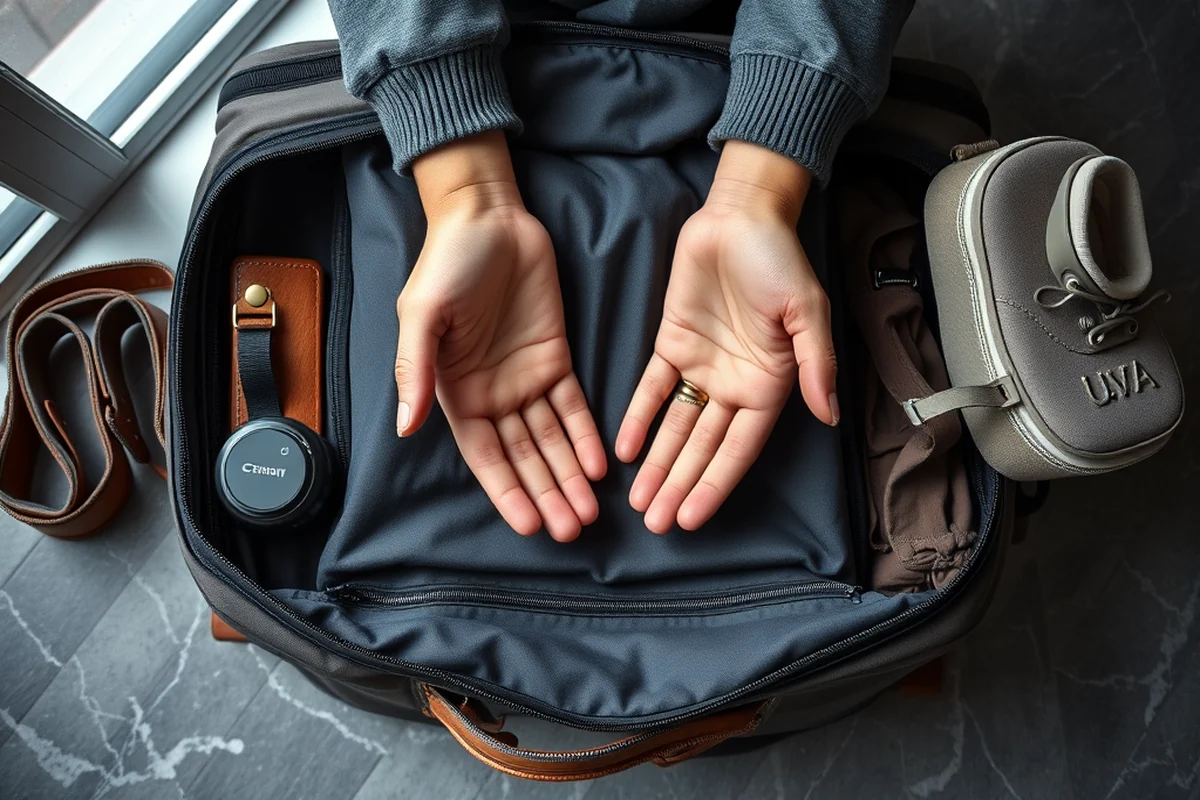
When planning a trip, it's essential to create an itinerary that is both engaging and predictable. I found that trips with a mix of familiar and new experiences — like a visit to a local market followed by a quiet walk — kept my father interested without overwhelming him.
I once planned a three-day trip that included a visit to a nearby art gallery, a picnic in a park, and a short boat ride. Each day had a similar structure, which helped my father feel more at ease. Predictability is key in caregiving for dementia, as it reduces confusion and promotes a sense of security.
I also learned to avoid over-scheduling. A trip with too many activities can be tiring and confusing. Instead, I found that a few meaningful experiences each day were more effective in creating a positive memory.
Related: Arbor place dementia care reviews
The Role of Family and Friends in Dementia Travel
Traveling with someone with dementia can be a solitary experience, but involving family and friends can make it more engaging and supportive. I once planned a trip with my father's sister, and it made the journey more enjoyable for both of us. She was able to share stories and help with tasks that I couldn't manage alone.
I've found that having a support team can help reduce the burden on the primary caregiver and make the trip more enjoyable for everyone. Whether it's a sibling, a close friend, or a professional caregiver, having someone to share the experience with can make a big difference.
Including loved ones also allows for more shared memories and a sense of connection. I've found that these trips often become the highlight of the year, not just for the person with dementia, but for everyone involved.
Related: Dementia care doctors near me
The Benefits of Short Trips
Long trips can be overwhelming for someone with dementia. I found that shorter trips — like a three- or four-day journey — are more manageable and less tiring. These trips allow for a change of scenery without the stress of a long journey.
I once took my father on a two-day trip to a nearby city, and it was one of the most successful journeys we had. The trip was short, focused on familiar experiences, and ended with a sense of accomplishment and comfort.
Short trips also allow for more flexibility. If something goes wrong, you can adjust the plan quickly and return home without the strain of a longer journey. For caregivers, this flexibility can be a lifesaver.
Shorter journeys mean more comfort, less stress, and more joy.
Related: Dementia care at home near me
The Value of Routine in Dementia Travel
For someone with dementia, routine is a source of comfort. When I traveled with my father, I made a point to follow a similar daily schedule — waking up at the same time, eating at the same hours. Going to bed at the same time. This consistency helped him feel more at ease.
I found that even small changes — like a different breakfast or a different time for a walk — could cause confusion and anxiety. By sticking to a routine, I was able to minimize stress and create a more peaceful trip.
Maintaining a routine doesn't mean you can't enjoy new experiences. It just means that you build new experiences around the structure he's used to. This balance is key in caregiving for dementia, and it can make all the difference in the quality of the trip.
🧳 Budget Getaway
A short, low-cost trip that focuses on comfort and familiar experiences.
🌅 Long Weekend Escape
A three-day journey that offers a change of scenery without the stress of a longer trip.
👨👩👧👦 Family-Friendly Travel
A trip that involves extended family, creating shared memories and support.
🍂 Off-Season Adventure
A journey during a less crowded time of year, offering calm and peace.
🌴 Luxury Retreat
A high-end trip that includes all-inclusive amenities and personalized care.
| The mistake | Why it happens | The fix |
|---|---|---|
| Over-scheduling the itinerary | Too many activities can overwhelm the person with dementia and increase stress for the caregiver. | Plan a few meaningful experiences each day and allow for rest and flexibility. |
| Ignoring sensory needs | Lack of attention to sensory comfort can lead to confusion and agitation. | Choose accommodations and environments that provide familiar and calming sensory experiences. |
| Not preparing in advance | Last-minute planning can lead to stress and unpredictability, which are detrimental for someone with dementia. | Plan and research the trip in detail, including accommodations, transportation, and activities, well in advance. |
| Not involving support from others | Traveling alone can be exhausting and overwhelming for a caregiver. | Involve family, friends, or professional caregivers to share the experience and reduce the burden. |
Caregiving For Dementia
Common Questions
What are the best destinations for someone with dementia?
How can I make sure my loved one is safe during travel?
What should I do if my loved one becomes agitated during the trip?
Can I take my loved one on a long trip?
References
- AARP Resources for Caregivers and their Families (aese.psu.edu)
- Your New Role: Caregiver | Emory University | Atlanta GA (alzheimers.emory.edu)
- Research on Alzheimer's Disease and Related Dementias (alzheimers.gov)
- A Profile of Older Adults with Dementia and their Caregivers Issue ... (aspe.hhs.gov)
Cite this guide
Traveling with Dementia Care (2026). Caregiving For Dementia. https://carewaygo.com/caregiving-for-dementia/
Feel free to cite or share this guide.